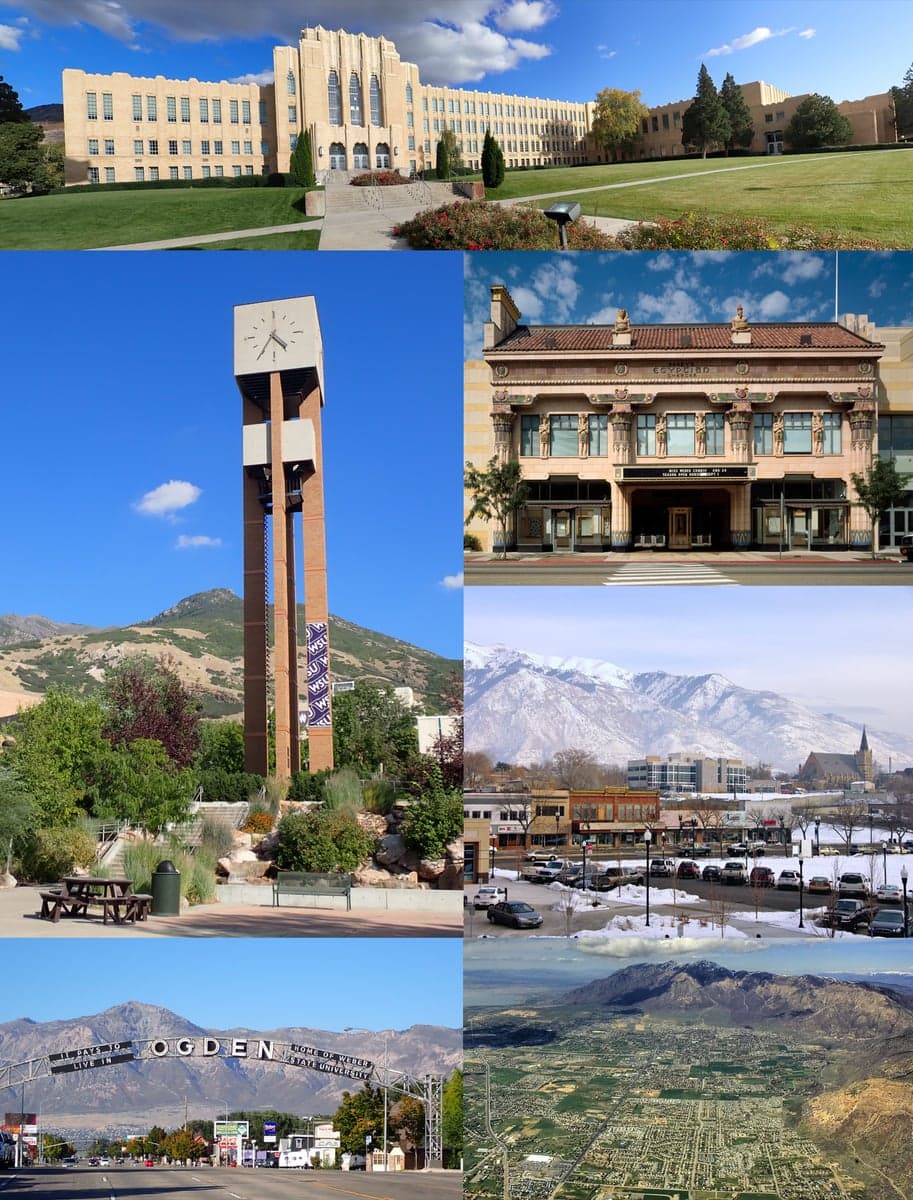
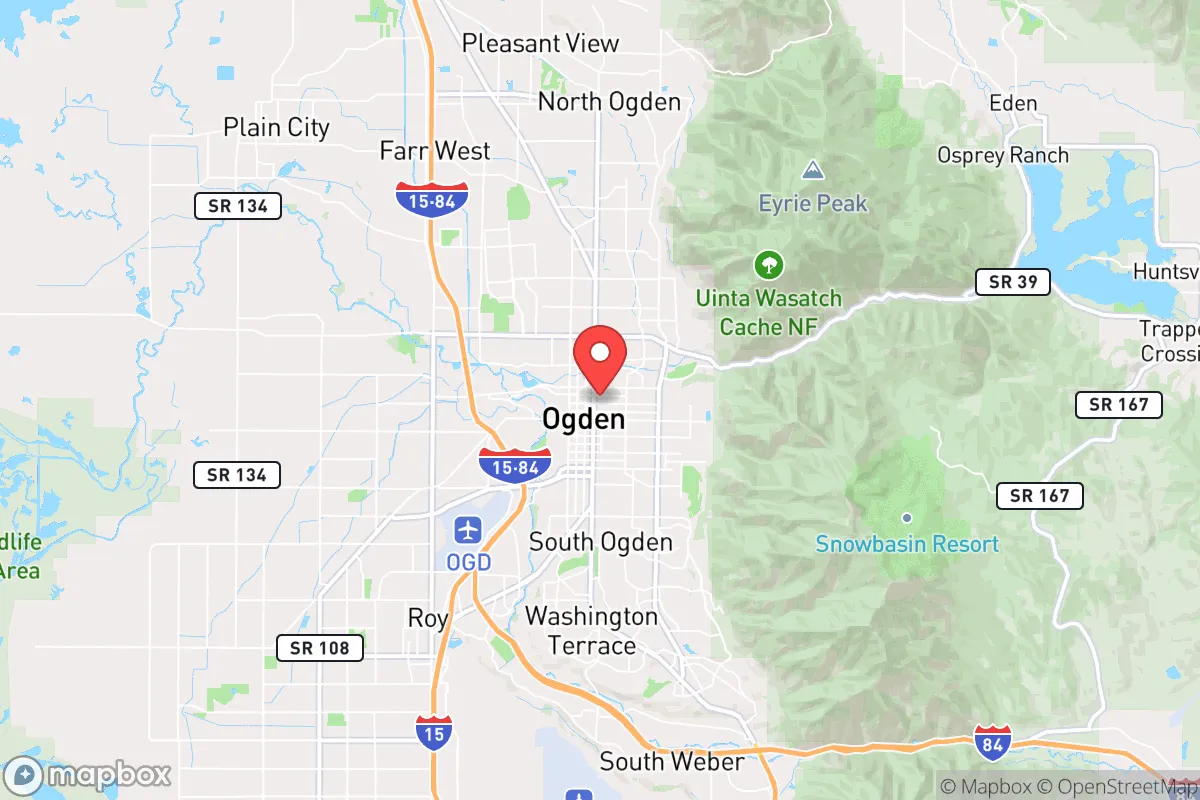
Photo: Wikipedia
Quality of Life in Ogden, UT
A high quality of life with strong walkability, manageable living costs, healthy neighborhood signals, and solid amenity access.
What does Quality of Life tell us?
Quality of Life blends cost of living, nearby amenities, socioeconomic signals, and neighborhood character. City-level scores represent the whole municipality; individual neighborhoods can differ.
What does this tell us?
Quality of Life blends cost of living, nearby amenities, socioeconomic signals, and neighborhood character. City-level scores represent the whole municipality; individual neighborhoods can differ.
Cost of Living
2% above national average
The Real Cost of Living in Ogden, UT for 2026
| Tier | Individual | Family (4) |
|---|---|---|
| Survival | $18k | $34k |
| Comfortable | $60k | $89k |
| Luxury | $111k+ | $173k+ |
| Elite (Top 5%) | $131k+ | $203k+ |
79%
The Area Signal
A metric tracking the socioeconomic signals of the area.
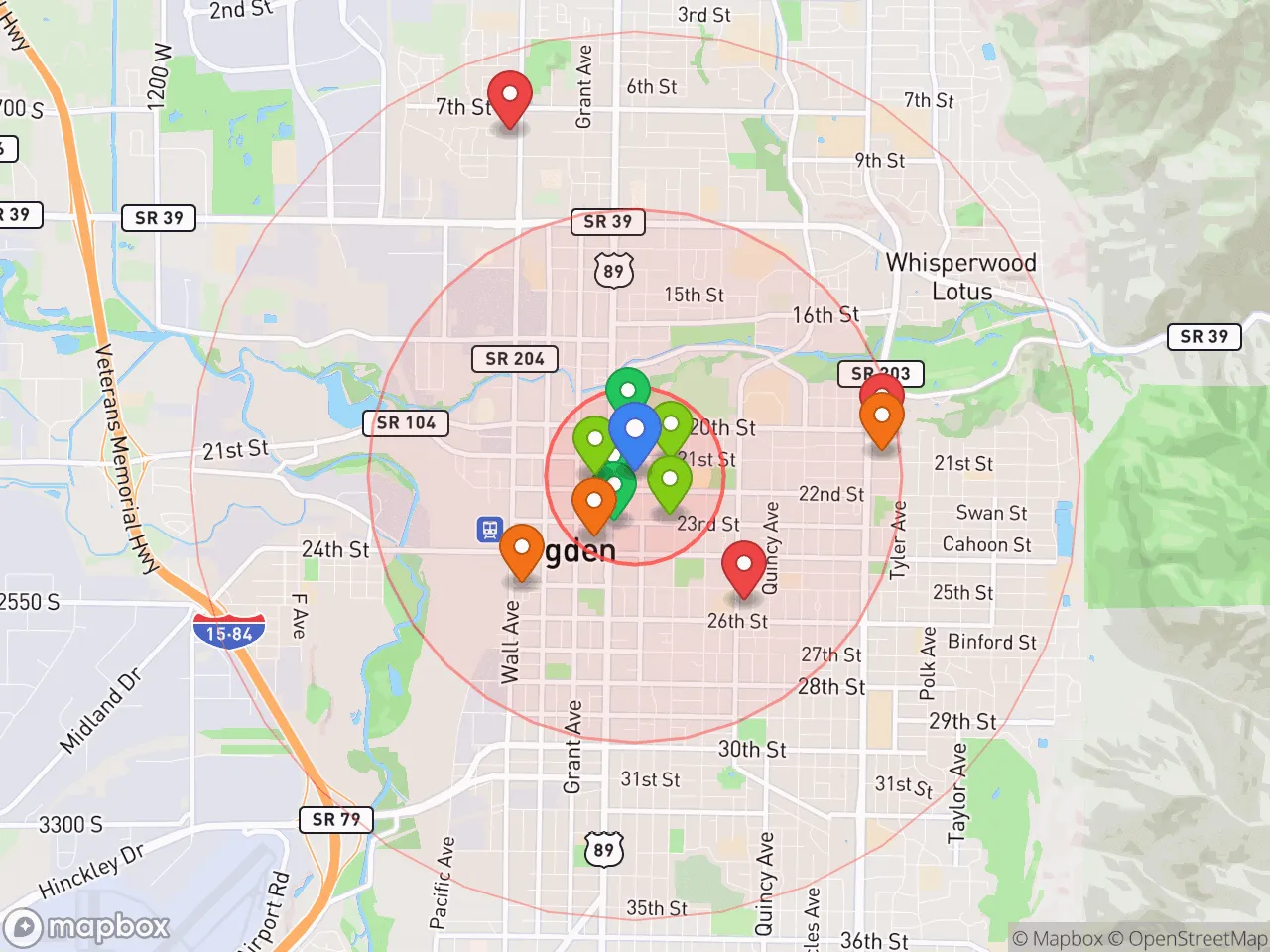
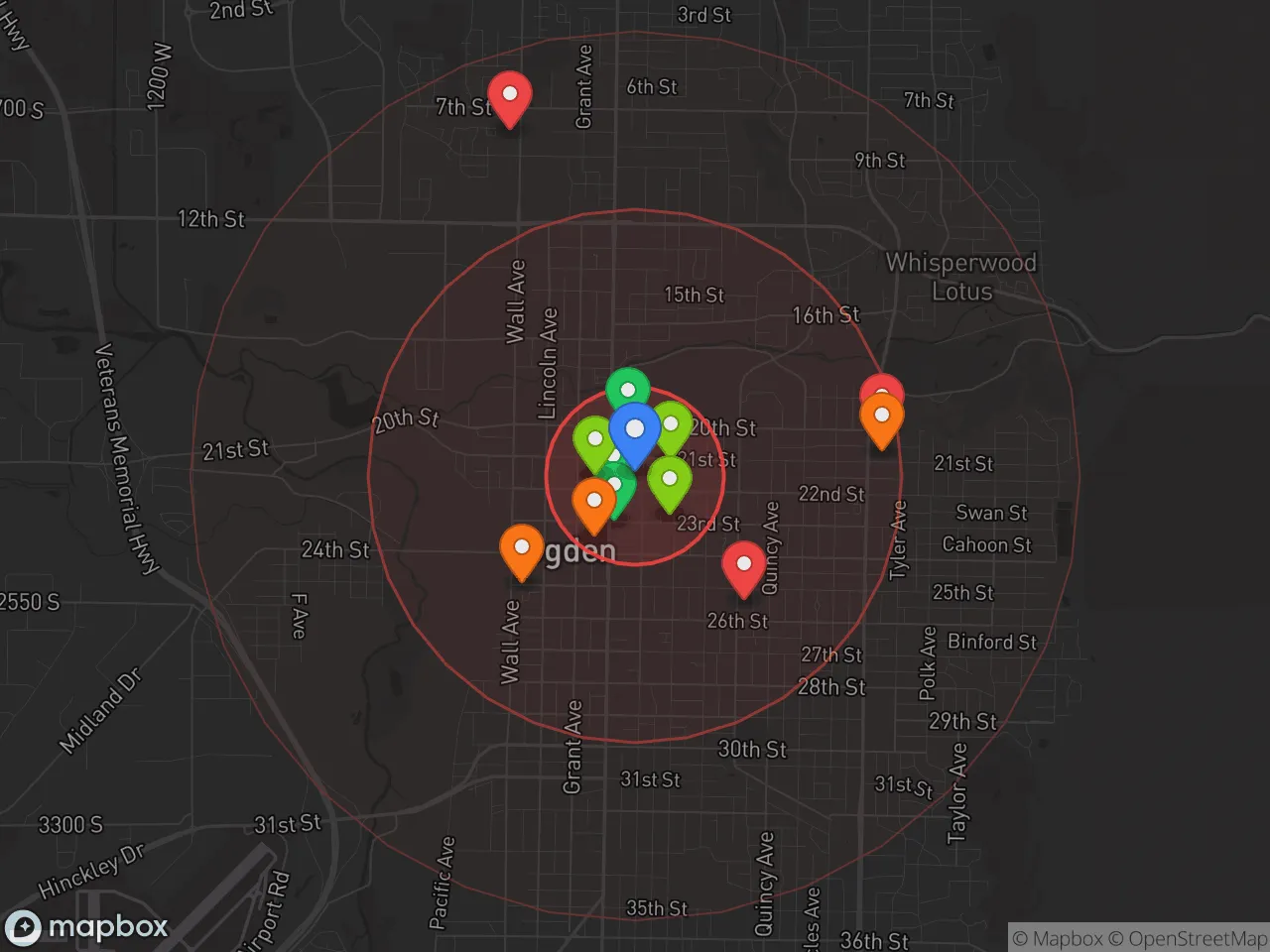
Hobbies
Explore the areaGroceries
0 within 10 miles
Gas
0 within 10 miles
Hospital
0 within 20 miles
Airport
SLC — Salt Lake City International
Post Office
Critical Amenities
Quality-of-Life Analysis
Ogden, Utah, offers a quality of life that blends mountain-town access with a surprisingly affordable urban core, attracting a mix of outdoor enthusiasts, young families, and remote workers priced out of Salt Lake City. With a cost-of-living index of 102 (just 2% above the national average), Ogden provides a financial foothold that is increasingly rare along the Wasatch Front. The city’s population skews younger and more active than the state average, drawn by direct access to Weber Canyon and Snowbasin Resort, while its historic 25th Street district fosters a walkable, independent-business culture distinct from the master-planned suburbs to the south.
Cost of living, housing costs, and affordability compared to Salt Lake City
Ogden’s housing market remains one of the most accessible in northern Utah. The median home value sits at $311,300, roughly 25% lower than the Salt Lake City metro median, while the median rent of $1,128 undercuts the state average by nearly $200 per month. This price gap is the primary driver of Ogden’s recent population growth, as buyers and renters seek space and equity-building potential without the six-figure premiums found in Davis and southern Salt Lake counties. The trade-off is a slightly older housing stock—many bungalows and postwar ranches require updates—and property taxes that, while low by national standards, are slightly higher than in adjacent Weber County towns like South Ogden. The average commute of 22.4 minutes is manageable, though traffic on I-15 can spike to 35–40 minutes during peak hours for those working in downtown Salt Lake City. Utility costs in Ogden run about 5% below the national average, thanks to municipal power from Utah Municipal Power Agency, which helps offset higher-than-average grocery prices in the region.
Local amenities, school quality, and daily life for families and professionals
Daily life in Ogden revolves around a compact, amenity-rich core. The Ogden School District operates 16 elementary schools, 4 junior highs, and 2 comprehensive high schools, with Ogden High School offering an International Baccalaureate program that draws students from across the county. For outdoor recreation, the Ogden River Parkway provides a paved 10-mile trail network connecting downtown to the mouth of Ogden Canyon, while the 25th Street Historic District hosts a weekly farmers market from June through October. The city’s dining scene has matured significantly since 2020, with farm-to-table restaurants like Table 25 and Rooster’s on 25th complementing a growing craft brewery corridor. Healthcare access is anchored by Ogden Regional Medical Center and McKay-Dee Hospital, both of which operate Level II trauma centers. The Weber County Library’s main branch on 25th Street offers free maker spaces and computer labs, and the Eccles Community Art Center provides low-cost classes for children and adults. For families, the biggest daily friction is the limited east-west road network through the canyon mouths, which can create bottlenecks on ski weekends and during summer trailhead parking surges.
Ogden is best suited for people who prioritize outdoor recreation and walkable urbanism over brand-new infrastructure and top-tier school rankings. The city’s affordability makes it a strong fit for first-time homebuyers, remote workers earning coastal salaries, and young families who want a short commute to world-class skiing or mountain biking. Retirees may find the winter inversion—which traps cold air and particulate matter in the valley—a health concern, and those seeking elite public schools should look to the neighboring Weber School District in unincorporated areas. For anyone willing to accept an older home and a slightly grittier downtown edge in exchange for a 15-minute drive to Snowbasin’s gondola, Ogden delivers a quality of life that few other mountain-west cities can match at this price point.

Crime in Ogden, UT
Crime rates similar to the national median for U.S. locations.
Violent CrimeViolent Crime Analysis
Property CrimeProperty Crime Analysis
Crime Analysis
Ogden, Utah, reports a violent crime rate of 444.9 incidents per 100,000 residents and a property crime rate of 1,622.5 per 100,000, placing it above both state and national averages for property offenses. While the city benefits from Utah’s relatively low overall crime environment, its rates signal a community where residents should remain vigilant, particularly regarding theft and burglary. The city’s proximity to the Salt Lake City metro area and its role as a regional transit hub contribute to these elevated figures, though neighborhood-level conditions vary significantly.
Crime in context
Ogden’s violent crime rate of 444.9 per 100,000 is roughly 22% higher than the national average of approximately 365 per 100,000 and significantly exceeds Utah’s statewide rate of about 240 per 100,000. Property crime in Ogden, at 1,622.5 per 100,000, is nearly double the national average of 1,954 per 100,000 and far surpasses Utah’s statewide figure of roughly 1,400 per 100,000. These numbers place Ogden among the higher-crime municipalities in the Wasatch Front corridor, though it remains less dangerous than larger urban centers like Salt Lake City. The data reflects a community where property offenses—particularly vehicle theft and larceny—are the primary driver of overall crime statistics.
What residents experience
For daily life, the elevated property crime rate means residents commonly report package thefts, vehicle break-ins, and bicycle thefts, especially in denser areas near downtown and the Ogden Transit Center. Violent crime, while less frequent, includes aggravated assault and robbery, with incidents concentrated in specific corridors rather than spread uniformly across the city. Weber County’s justice system, influenced by progressive prosecutorial policies common in larger metro areas, has faced criticism for prioritizing diversion programs over incarceration, a trend that critics argue reduces accountability and may contribute to repeat offenses. Residents in neighborhoods like East Bench and the avenues near Weber State University generally report lower crime rates, while areas around 25th Street and the industrial west side see higher police activity. The Ogden Police Department maintains a visible presence through community policing initiatives, but the overall crime picture suggests that proactive property crime prevention—such as secured parking and home surveillance—is a practical necessity for most households.
Neighborhood-level variation is pronounced: the historic district and newer developments near the Ogden River Parkway show lower crime rates, while rental-heavy zones near the rail corridor and commercial strips experience more frequent incidents. Prospective residents should consult block-level crime maps and consider that the city’s progressive judicial philosophy, while intended to reduce incarceration, may result in higher recidivism rates that directly impact public safety. Overall, Ogden offers a mixed safety profile where informed choices about neighborhood and property security can significantly shape the resident experience.
* Values derived from national, state, county, city and local statistics and may differ in a specific area. Last updated: 2026-04-21T09:14:02.000Z
Narrative content on this page is AI-generated and may contain mistakes. Verify any details that matter before acting on them.
ReloMaps may earn a commission from affiliate links at no extra cost to you.

