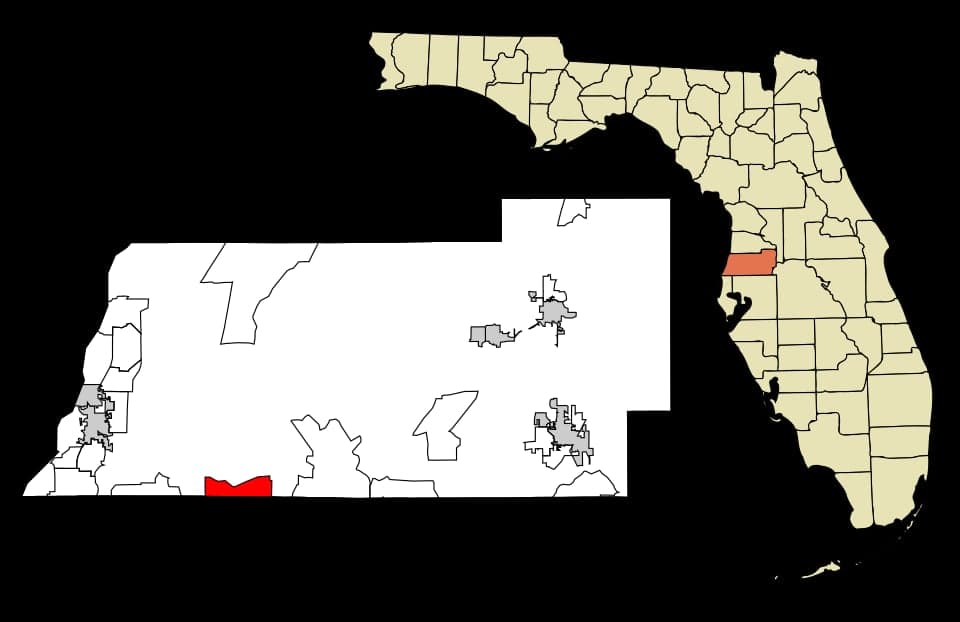
Photo: Wikipedia
Strategic Assessment of Odessa, FL
Meaningful friction. Expect exposure to either population pressure, blast zones, or natural disaster risk. Consider buying a retreat property.
What does the Strategic Assessment tell us?
Our Strategic Assessment grades tactical survivability of an area. Major population centers, military targets, fallout zones, natural disasters, and border exposure all drive risk — lower exposure means a more defensible position in a crisis.
This is heavily inspired by Joel Skousen's Strategic Relocation book. Highly recommended you checkout the book ($)What does this tell us?
Our Strategic Assessment grades tactical survivability of an area. Major population centers, military targets, fallout zones, natural disasters, and border exposure all drive risk — lower exposure means a more defensible position in a crisis.
This is heavily inspired by Joel Skousen's Strategic Relocation book. Highly recommended you checkout the book ($)Strategic Pillars
Key Distances
Regional Safe Places
Below is our recommended "safe zones" in Florida and the surrounding area based on our strategic heuristics. For most people, it's unrealistic to live in a “safe zone” full-time due to work, family or other personal reasons. They tend to be more rural. However, many of these areas are perfect for second homes and retreat properties that double as a vacation home or even a short-term rental.

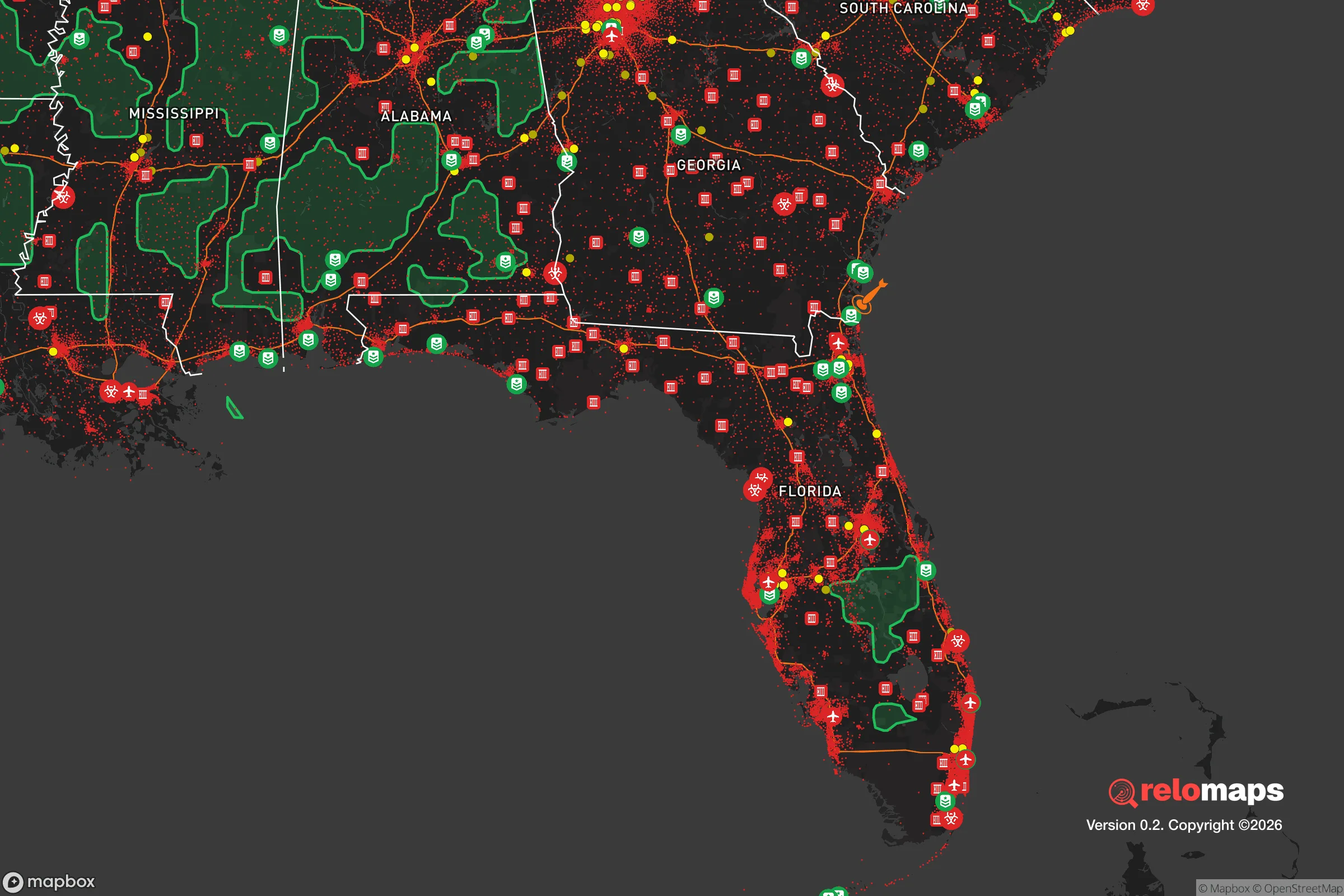


Important Note: For informational purposes only. This does not mean nothing bad ever happens in the green zones. Please use common sense. This is based on public data and modeled with AI. We tried to take a conservative approach but mistakes happen. We update this regularly as new information becomes available.
Solar Generator Recommendations
Backup power matters more here than in safer locations. We've picked three solar generators across budgets and capacity tiers — start with the budget unit if you only need a few essentials, or step up if you want to run a fridge and HVAC for days at a time.
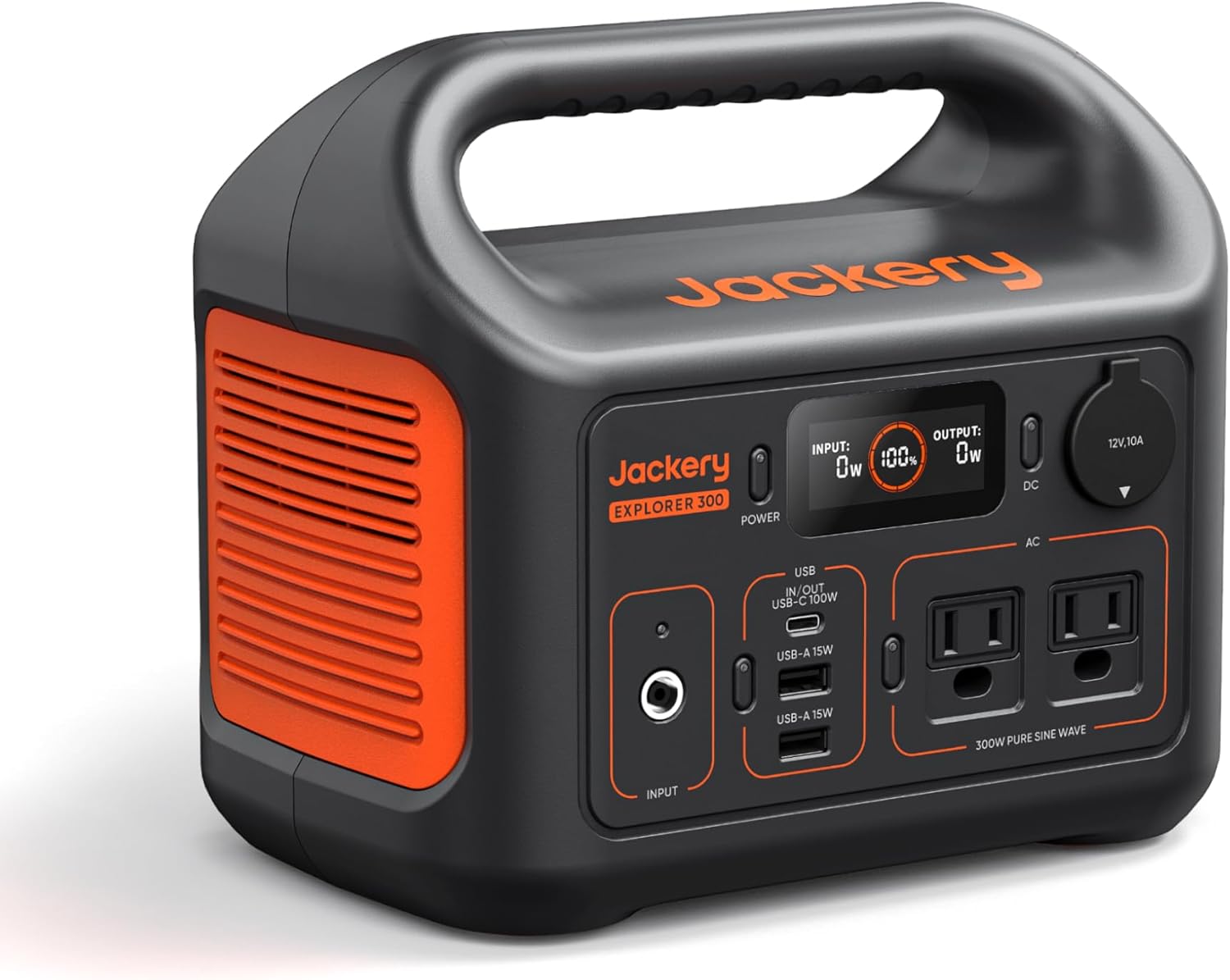
Jackery Portable Power Station Explorer 300
Budget OptionPower on the Go: Weighing only 11 lbs, it's convenient to set up and store with book-sized foldable solar panels

BLUETTI Portable Power Station AC180
Designed for both indoor and outdoor scenarios, AC180 is highly capable as it has a robost capacity and continuous output power.

EF ECOFLOW DELTA Pro Ultra Power Station
Upgraded PickEcoFlow DELTA Pro Ultra is a whole-home energy system designed to grow with your family. Integrated with the Smart Home Panel 2, it scales to meet your evolving energy needs — keeping your home powered, intelligent, and secure through every stage of life.
We earn a commission, at no additional cost to you.
Strategic Assessment Analysis
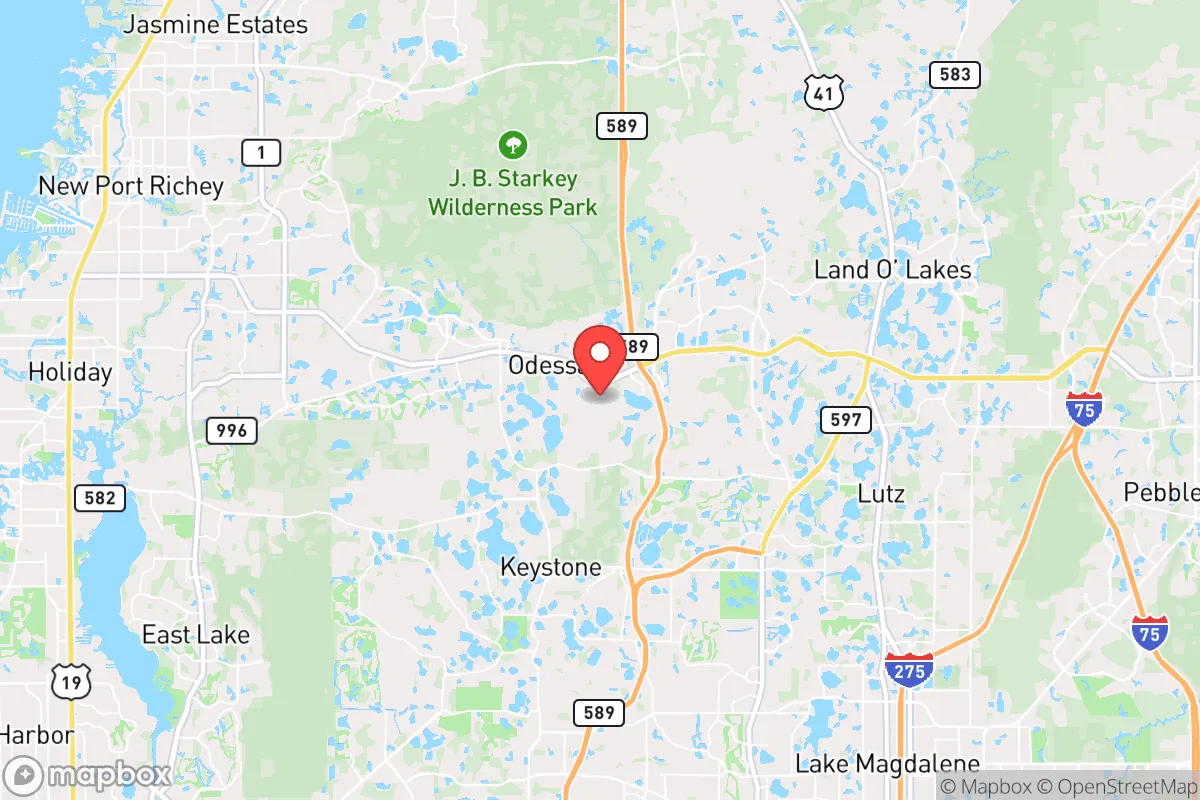
Odessa, Florida, occupies a strategic position in Pasco County that offers a blend of rural seclusion and practical access to resources, making it a noteworthy consideration for those prioritizing disaster readiness and self-sufficiency. Its location roughly 25 miles north of Tampa and 15 miles northwest of the more densely populated Wesley Chapel provides a buffer from immediate urban fallout risks while still allowing for supply runs and medical access. The area’s resilience profile is shaped by its inland geography, relatively low population density, and proximity to natural water sources, though it is not without exposure to Florida’s characteristic hazards and the shadow of nearby critical infrastructure.
Geographic position and natural advantages for preparedness
Odessa sits on the western edge of the Florida peninsula, roughly 15 miles inland from the Gulf of Mexico, which places it outside the highest-risk storm surge zones that plague coastal communities like New Port Richey or Clearwater. The terrain is characterized by gently rolling hills and scattered pine flatwoods, a rarity in Florida’s otherwise flat landscape, which offers modest natural drainage and reduces the likelihood of catastrophic flooding compared to areas near the Withlacoochee River or the Green Swamp. The area’s elevation averages around 40 to 50 feet above sea level, providing a slight but meaningful advantage over coastal towns that sit at near-zero elevation. Groundwater access is generally reliable, with the Floridan Aquifer lying roughly 200 to 300 feet below the surface, though well depths in Odessa typically range from 100 to 250 feet depending on the specific subdivision. The region’s subtropical climate yields an average of 52 inches of rainfall annually, which supports rainwater catchment systems, but also brings the persistent threat of hurricane-force winds and tornadoes during the June-through-November storm season. The presence of the Starkey Wilderness Preserve and the Jay B. Starkey Wilderness Park, covering over 8,000 acres to the east, provides a natural buffer against suburban sprawl and offers a potential resource for foraging, hunting, and firewood collection in a prolonged emergency scenario.
Risks, exposures, and proximity to fallout-relevant landmarks
While Odessa’s inland position reduces storm surge risk, it remains vulnerable to hurricane-force winds, with the area falling under the National Hurricane Center’s Category 1 through 4 wind zone. The 2024 hurricane season saw Hurricane Helene and Hurricane Milton pass within 50 miles of Odessa, causing widespread power outages lasting 3 to 7 days in parts of Pasco County, a reminder that the grid is fragile even in less densely populated areas. Tornadoes are a secondary but real threat, with Pasco County averaging 4 to 6 tornadoes per year, typically EF0 to EF1 strength, though the 2023 outbreak spawned an EF2 that damaged structures in nearby Land O’ Lakes. Wildfire risk is moderate, with the Florida Forest Service listing Pasco County as having a “moderate” to “high” fire danger index during dry spring months, particularly in areas abutting the Starkey Wilderness. More critically for the strategic relocator, Odessa lies roughly 12 miles southwest of the Crystal River Nuclear Plant, a 860-megawatt facility that has experienced multiple unplanned shutdowns and is situated on the coast, making it a potential target for storm-related damage or, in a worst-case scenario, a man-made incident. The plant’s evacuation zone extends 10 miles, which places Odessa just outside the primary plume exposure zone, but prevailing winds from the west-southwest during summer months could carry fallout toward the area in the event of a release. Additionally, Odessa is within 30 miles of MacDill Air Force Base in Tampa, a strategic military installation that could become a target in a conflict scenario, though the base’s active defense systems mitigate this risk. The proximity to the Suncoast Parkway (State Road 589) and the Veterans Expressway provides rapid egress routes north toward rural Citrus County or south toward Tampa, but these same roads could become choke points during a mass evacuation, as seen during Hurricane Irma in 2017 when traffic on the Suncoast backed up for hours.
Practical resilience for a relocator: food, water, energy, and defensibility
Odessa’s semi-rural character supports a degree of self-sufficiency that is harder to achieve in suburban subdivisions. Many homes sit on 1- to 5-acre lots, allowing space for vegetable gardens, chicken coops, and rainwater collection systems without violating most Pasco County zoning codes, which permit up to 4 chickens per acre and small-scale agricultural use on parcels over 2 acres. The area’s sandy loam soil drains quickly, requiring irrigation for most crops, but raised beds and drip systems can produce reliable yields of tomatoes, peppers, squash, and citrus during the growing season. Local water access is a mixed picture: municipal water from Pasco County Utilities is treated with chlorine and fluoride, but many residents rely on private wells, which offer independence from the grid during power outages if equipped with a hand pump or solar-powered pump. The Floridan Aquifer’s water quality is generally good, with hardness levels around 150 to 200 ppm, but testing for nitrates and bacteria is advisable, especially near agricultural operations. Energy resilience is a weak point, as Odessa’s power grid is served by Duke Energy Florida, which has a mixed track record on storm hardening; the 2024 outages highlighted the need for backup generation, with propane generators being the most common solution due to the availability of propane refill stations in nearby Trinity and New Port Richey. Solar panel adoption is growing but remains below 10% of homes in the area, partly due to homeowner association restrictions in some subdivisions like Odessa’s gated communities. Defensibility is a relative strength: the low population density (roughly 400 people per square mile compared to Tampa’s 3,000) and the presence of natural barriers like the Starkey Wilderness and the Anclote River reduce the risk of civil unrest spillover from urban centers. However, the area’s road network is limited, with only two major north-south arteries (the Suncoast Parkway and US 41) and few east-west connectors, meaning that a single accident or bridge failure could isolate parts of Odessa for hours. Crime rates are low, with Pasco County reporting a violent crime rate of 2.5 per 1,000 residents in 2024, but property crime, particularly theft from vehicles and sheds, is a concern in rural subdivisions where homes are spaced far apart.
The overall strategic picture for Odessa is one of moderate resilience with clear trade-offs. Its inland location, low density, and access to natural resources make it a viable base for a self-sufficient lifestyle, particularly for those willing to invest in well water, solar power, and food production. The proximity to Tampa and the Crystal River nuclear plant introduces risks that cannot be ignored, but these are manageable with proper planning—maintaining a 72-hour bug-out kit, establishing a communication plan with neighbors, and keeping a vehicle with a full tank of gas during hurricane season. For the relocator who values quiet, space, and a degree of independence from urban chaos, Odessa offers a solid foundation, but it is not a fortress. The area’s real strength lies in its balance: close enough to civilization for supplies and medical care, far enough to avoid the worst of urban collapse scenarios, and rural enough to support a modest homestead. As with any location in Florida, the key is preparation, not paranoia, and Odessa’s profile suggests it rewards those who take that seriously.

* Values derived from national, state, county, city and local statistics and may differ in a specific area. Last updated: 2026-10-18T23:59:33.000Z
Narrative content on this page is AI-generated and may contain mistakes. Verify any details that matter before acting on them.
ReloMaps may earn a commission from affiliate links at no extra cost to you.

