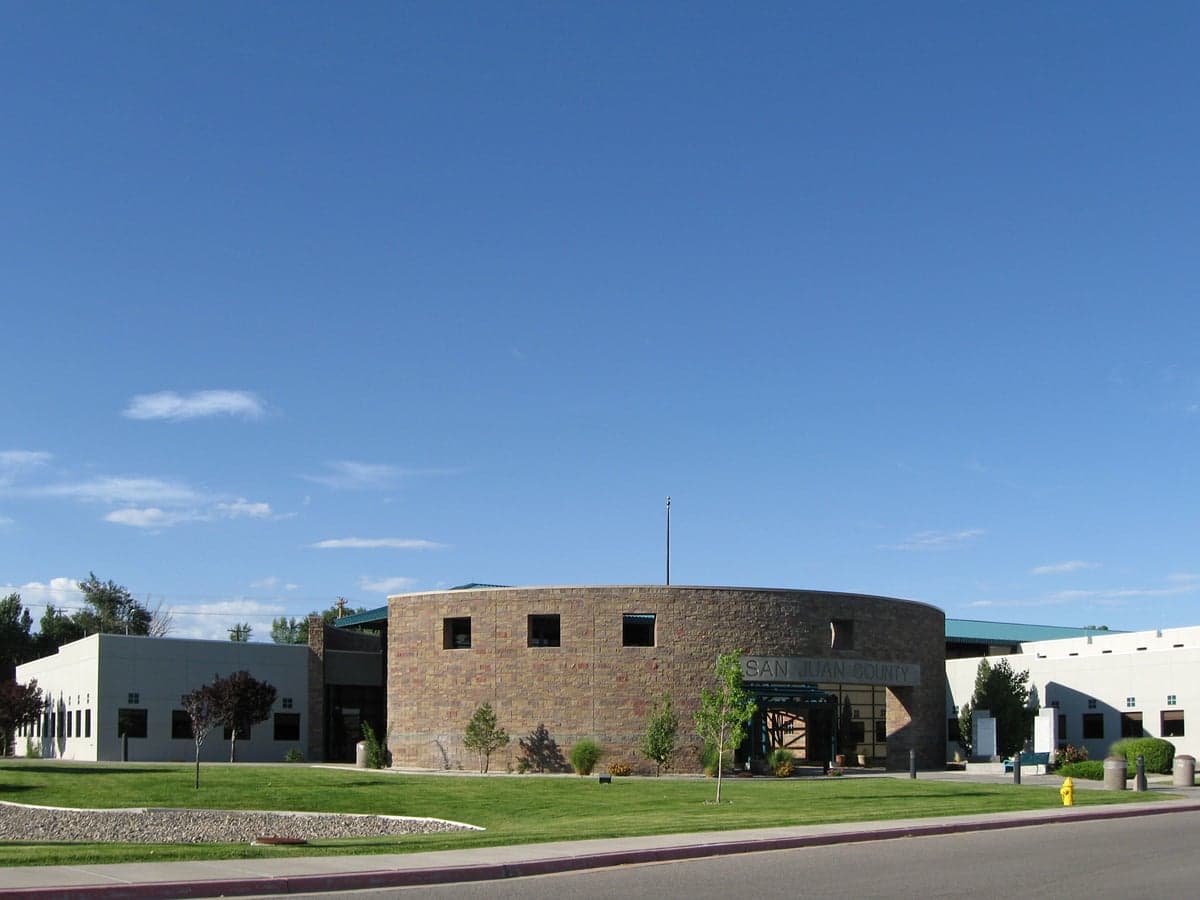
Photo: Wikipedia
Strategic Assessment of San Juan County
Strong survivability profile. Good buffer from population centers, with manageable environmental and tactical risks.
What does the Strategic Assessment tell us?
Our Strategic Assessment grades tactical survivability of an area. Major population centers, military targets, fallout zones, natural disasters, and border exposure all drive risk — lower exposure means a more defensible position in a crisis.
This is heavily inspired by Joel Skousen's Strategic Relocation book. Highly recommended you checkout the book ($)What does this tell us?
Our Strategic Assessment grades tactical survivability of an area. Major population centers, military targets, fallout zones, natural disasters, and border exposure all drive risk — lower exposure means a more defensible position in a crisis.
This is heavily inspired by Joel Skousen's Strategic Relocation book. Highly recommended you checkout the book ($)Strategic Pillars

Key Distances
Strategic Assessment Analysis
San Juan County, New Mexico, offers a compelling strategic position for relocation-minded readers prioritizing resilience and self-sufficiency, anchored by its location in the remote Four Corners region and its status as a major energy hub. The county’s seat, Farmington, along with the smaller communities of Bloomfield and Aztec, sit at the confluence of the Animas and San Juan Rivers, providing a rare water advantage in the arid Southwest. This area is far removed from the major population corridors of the West Coast and the Front Range, offering a natural buffer against the cascading disruptions that could affect those densely populated zones. For a reader serious about disaster readiness, San Juan County presents a mix of genuine geographic insulation and critical infrastructure dependencies that require careful evaluation.
Geographic position and natural advantages for long-term security
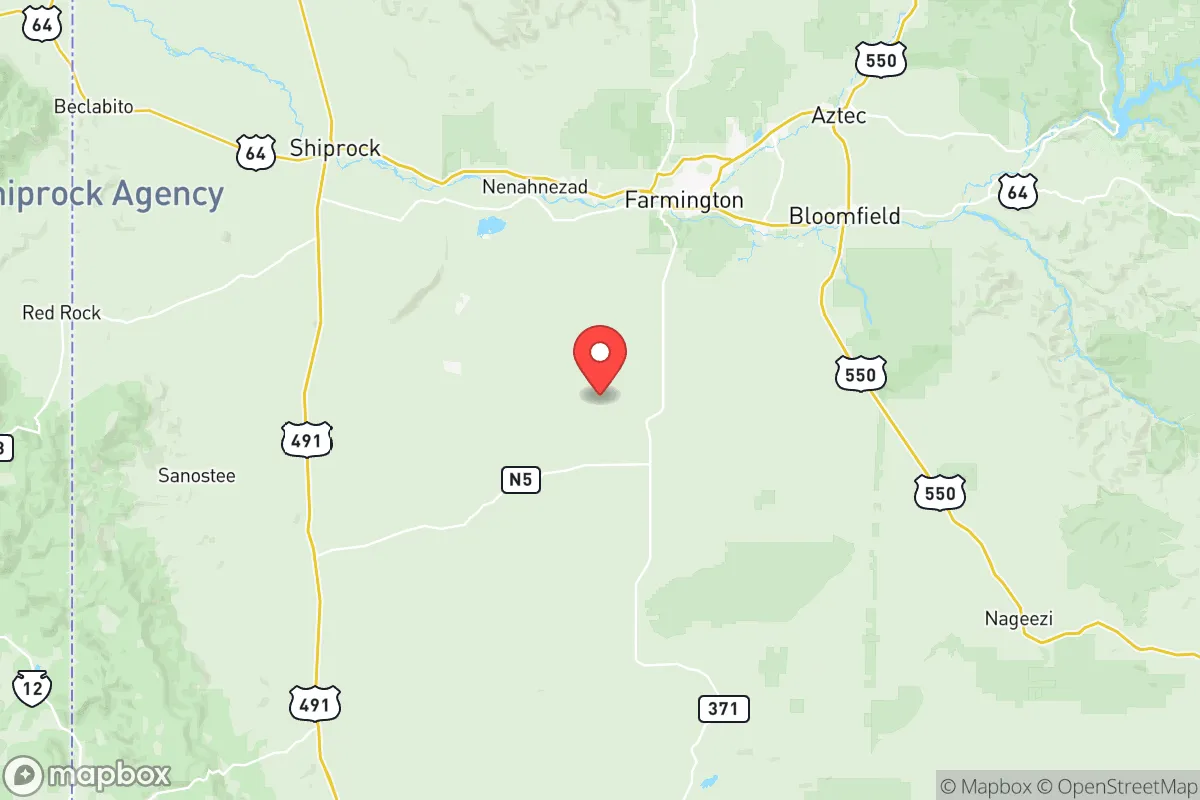
San Juan County’s primary strategic asset is its distance from major metropolitan areas and their associated vulnerabilities. Farmington is roughly 180 miles from Albuquerque, 250 miles from Salt Lake City, and over 300 miles from Denver, placing it well outside the immediate fallout zones of any major city. The county is bordered by the rugged San Juan Mountains to the north and the vast Navajo Nation to the south and west, creating a natural defensive perimeter. The region’s high desert climate—averaging 8 inches of precipitation annually—means fewer natural disasters like hurricanes, tornadoes, or wildfires compared to other parts of the country. The San Juan River and Animas River provide a reliable surface water source, a critical advantage in a state where water rights are fiercely contested. The area’s elevation, around 5,500 feet, also reduces the risk of extreme heat events that plague lower-elevation desert communities. For a relocator seeking a location that is both remote and resource-rich, San Juan County’s geography offers a solid foundation.
Risks, exposures, and proximity to fallout-relevant landmarks
While San Juan County is geographically isolated, it is not without significant man-made risks that a strategic assessment must weigh. The county is home to the Four Corners Generating Station (a coal-fired power plant) and the San Juan Generating Station, both of which are decommissioned or in the process of decommissioning, but their presence indicates a history of heavy industrial activity. More critically, the region sits near the Uranium Mining District of the Grants Mineral Belt, with legacy uranium mines and mill tailings scattered across the area. The Shiprock site, a former uranium mill on the Navajo Nation just south of the county line, remains a Superfund site with ongoing contamination concerns. For a reader focused on fallout preparedness, the proximity to these legacy nuclear sites is a double-edged sword: the area is far from active nuclear power plants (the nearest is Palo Verde in Arizona, over 300 miles away), but the soil and water in certain areas carry residual contamination from past mining. Additionally, the county’s energy infrastructure—including natural gas pipelines and the Blanco Gas Plant—could be a target for disruption, though the remote location reduces the likelihood of a cascading event. The risk of a major earthquake is low, but the region is seismically active enough to warrant attention, particularly for older infrastructure.
Practical resilience for a relocator: food, water, energy, and defensibility
For a relocator serious about self-sufficiency, San Juan County offers a mixed but workable picture. Water is the most critical resource, and the San Juan River provides a reliable surface source, though access is controlled by water rights and irrigation districts. The Animas River, which runs through Farmington, is also a viable source, but it has experienced contamination events (like the 2015 Gold King Mine spill) that underscore the need for independent filtration and storage. Food production is limited by the arid climate and short growing season (roughly 120 frost-free days), but the county has a history of small-scale agriculture, including alfalfa, hay, and some vegetable production. The Farmington Farmers Market and local CSAs indicate a growing interest in local food, but the region is not a breadbasket—most food is trucked in from outside. Energy is a clear strength: the county is a major producer of natural gas and coal, and the area has significant solar potential. The San Juan Basin is one of the largest natural gas fields in the U.S., meaning that a relocator with the right setup could tap into local energy resources or invest in off-grid solar. Defensibility is high due to the county’s low population density (about 130,000 people across 5,500 square miles) and the natural barriers of mountains and desert. The Navajo Nation to the south and west adds a layer of cultural and jurisdictional complexity, but also a buffer against external threats. The county’s law enforcement presence is limited, so a relocator should plan for self-defense and community-building rather than relying on rapid emergency response.
Overall, San Juan County presents a strategic picture of moderate resilience with clear trade-offs. Its geographic isolation and water access are genuine advantages for a relocator seeking to avoid the fallout risks of major cities and industrial corridors. The presence of legacy uranium contamination and the region’s dependence on imported food are significant vulnerabilities that require proactive mitigation. For a conservative-leaning individual or family willing to invest in water filtration, off-grid energy, and community ties, the county offers a defensible, resource-rich base. However, it is not a prepper’s paradise—it is a working-class energy hub with real infrastructure risks and a harsh climate. The key is to treat San Juan County as a strategic location that demands preparation, not a turnkey solution. For those who can navigate its complexities, it remains one of the more viable options in the Southwest for long-term resilience.

* Values derived from national, state, county, city and local statistics and may differ in a specific area. Last updated: 2026-08-04T00:52:29.000Z
Narrative content on this page is AI-generated and may contain mistakes. Verify any details that matter before acting on them.
ReloMaps may earn a commission from affiliate links at no extra cost to you.

