Photo: Wikipedia
Personal Sovereignty in New Mexico
Viable for self-reliance. Generally workable, though some barriers may limit total independence.
What does Personal Sovereignty tell us?
Personal Sovereignty measures your capacity for self-reliance and independence with minimal government friction. Higher scores mean fewer barriers between you and the way you want to live... but it assumes you have the space you need and good neighbors.
What does this tell us?
Personal Sovereignty measures your capacity for self-reliance and independence with minimal government friction. Higher scores mean fewer barriers between you and the way you want to live... but it assumes you have the space you need and good neighbors.
State Policy
Energy independence: Net exporter (250% of energy produced in-state)
Personal Liberty
Homesteading

Personal Liberty Analysis
New Mexico presents a deeply mixed picture for those prioritizing personal sovereignty, offering some of the most permissive gun laws and off-grid living potential in the Southwest, but burdened by a state government that has increasingly leaned into progressive taxation, energy regulation, and medical mandates. For the conservative-leaning individual or family weighing relocation, the state’s appeal hinges on geography and county-level governance: rural strongholds like Lincoln County and Catron County operate with a frontier ethos of self-reliance, while urban corridors like Santa Fe and Albuquerque have embraced policies that many preppers view as encroaching on personal autonomy. The net assessment is that New Mexico can be a viable sovereignty haven—if you choose your location carefully and are prepared to navigate a state-level regulatory environment that is less friendly than its Western neighbors like Texas or Arizona.
Tax burden and regulatory posture: What the state takes and controls
New Mexico’s tax structure is a double-edged sword for those seeking to minimize government reach. The state imposes a progressive income tax with rates up to 5.9%, which hits higher earners harder than flat-tax states, and a gross receipts tax (effectively a sales tax) that can exceed 8% in some municipalities. Property taxes are relatively low—averaging around 0.67% of assessed value—which is a plus for landowners, but the state’s regulatory posture on energy and land use is restrictive. New Mexico has adopted aggressive renewable energy mandates, and the Energy Transition Act of 2019 effectively phases out coal and natural gas, raising concerns about grid reliability and energy independence. For the prepper mindset, this means that off-grid solar or wind generation is not just a lifestyle choice but a strategic necessity, especially in areas like Torrance County or Mora County, where utility infrastructure is sparse. The state also has a history of stringent environmental regulations that can complicate building permits and water rights, particularly in the Rio Grande corridor. Compared to Texas, which has no state income tax and a more laissez-faire regulatory culture, New Mexico’s government takes a larger cut and exerts more control over energy and land use—a factor that should weigh heavily in any relocation calculus.
Self-defense and gun law specifics: Where the Second Amendment stands
On firearms, New Mexico is one of the most permissive states in the nation, a bright spot for sovereignty-minded residents. The state has constitutional carry (permitless carry for both open and concealed) for anyone 19 or older who can legally possess a firearm, and preemption laws prevent local governments from enacting stricter ordinances—meaning Santa Fe and Albuquerque cannot ban carry in city parks or impose magazine limits. There is no state-level red flag law, no waiting period, and no universal background check requirement for private sales. This stands in stark contrast to neighboring Colorado, which has enacted multiple gun control measures. However, the federal landscape remains a concern: the Bureau of Alcohol, Tobacco, Firearms and Explosives (ATF) has a strong presence in the state, and the Las Cruces area has seen increased federal enforcement actions. For the prepper, the ability to stockpile ammunition, own NFA items (with proper tax stamps), and carry without government permission is a major draw. But note that New Mexico’s crime rates—particularly in Albuquerque, which has one of the highest violent crime rates in the country—mean that self-defense is not theoretical. Rural counties like Catron and Harding are far safer, but the legal environment for self-defense is uniformly strong across the state, with a Castle Doctrine and Stand Your Ground law that provides broad immunity for defensive use of force.
Self-reliance and homesteading viability: Lot sizes, zoning, and off-grid feasibility
New Mexico’s vast, arid landscape offers some of the best opportunities for self-reliant living in the lower 48, but the feasibility varies dramatically by county. In Catron County, the most remote in the state, you can find parcels of 40 acres or more for under $50,000, with minimal zoning restrictions and no building codes in unincorporated areas. This is a paradise for those wanting to build a bunker, dig a well, and live off-grid without government interference. Lincoln County and Torrance County also have large tracts of land with relaxed regulations, though water access is a critical constraint—drilling a well can cost $10,000–$20,000, and water rights are a complex legal issue. In contrast, counties like Santa Fe and Bernalillo (Albuquerque) have strict zoning, building codes, and permitting processes that make off-grid living nearly impossible. The state does not have a statewide building code for rural areas, but counties can adopt their own, so always check local ordinances. For homesteading, the growing season is short (120–180 days) and rainfall is low (10–15 inches annually), so dryland farming is tough; irrigation from acequias or wells is essential. The upside is that land is cheap, property taxes are low, and there is a strong culture of self-sufficiency in the rural counties, with many residents already living without grid power or municipal water. For the prepper, Harding County and De Baca County offer extreme isolation with minimal government presence, but be prepared for a harsh, high-desert environment that demands serious survival skills.
Personal liberties: Parental rights, medical autonomy, speech, and property
New Mexico’s record on personal liberties is a mixed bag that requires careful scrutiny. On parental rights, the state has been a battleground: in 2023, the legislature passed a bill that allows minors to receive certain medical treatments without parental consent, including reproductive health services, which alarms many conservative parents. The state also has a strong public health apparatus that imposed some of the strictest COVID-19 mandates in the region, including vaccine requirements for state employees and school workers. Medical autonomy is further constrained by the state’s expansion of Medicaid and its support for vaccine mandates, though there is no state-level vaccine passport requirement currently. On free speech, New Mexico has no specific laws restricting political speech, but the state’s Human Rights Act has been used to penalize businesses for refusing services based on sexual orientation or gender identity, a concern for those who hold traditional religious views. Property rights are generally strong in rural counties, but the state’s Water Rights Administration is notoriously bureaucratic, and the Office of the State Engineer has broad authority to adjudicate water use, which can be a headache for homesteaders. In urban areas like Albuquerque, property taxes are higher and zoning is restrictive, but in Lea County or Chaves County, you have more freedom to use your land as you see fit. Overall, New Mexico offers more personal liberty than states like California or Oregon, but less than Texas or Idaho, particularly on medical and parental rights.
In the final analysis, New Mexico is a state of stark contrasts for the sovereignty-minded relocator. The rural counties—Catron, Lincoln, Harding, Torrance—offer a level of freedom and self-reliance that is increasingly rare in the United States, with cheap land, permissive gun laws, and minimal government interference. But the state government in Santa Fe is actively pushing policies that erode parental rights, expand taxation, and centralize control over energy and health. For the prepper or survivalist, the strategy is clear: choose a county with a strong culture of independence, secure your water and energy sources, and be prepared to fight for your rights at the ballot box and in the courts. Compared to the Pacific Northwest or the Northeast, New Mexico is a relative haven; compared to Texas or Arizona, it is a more challenging environment that requires vigilance. The state’s greatest asset is its vast, empty spaces and the frontier mentality that still persists in its most remote corners—but that asset is under constant pressure from a government that sees personal sovereignty as an obstacle to its agenda.

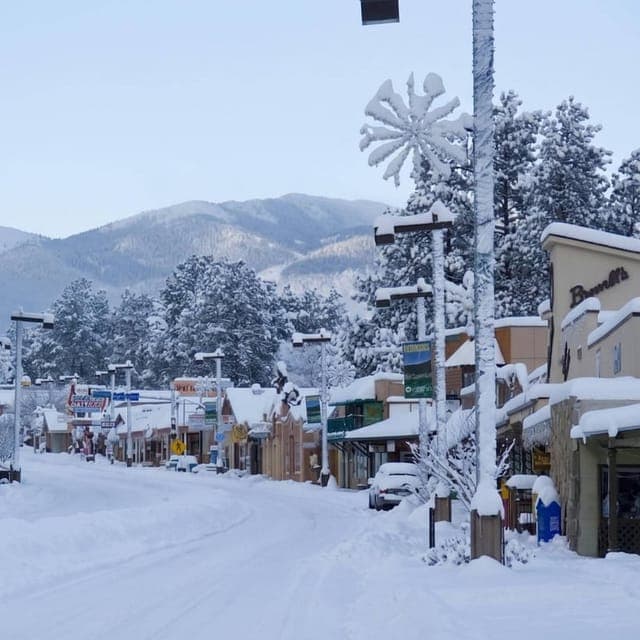
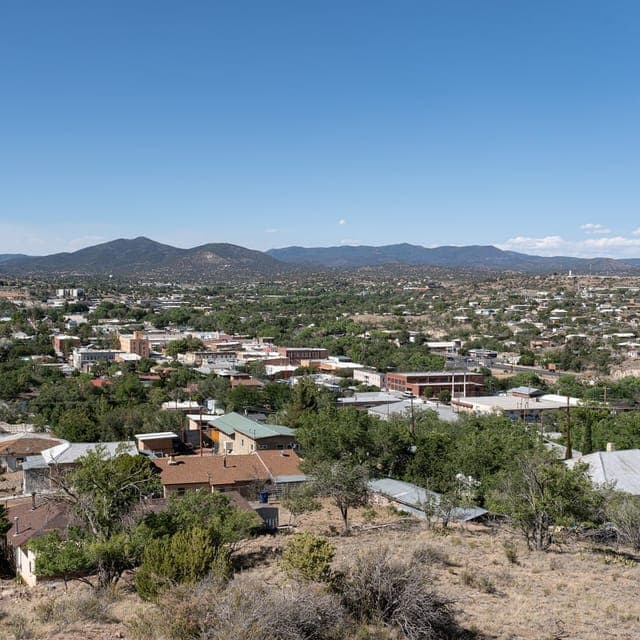
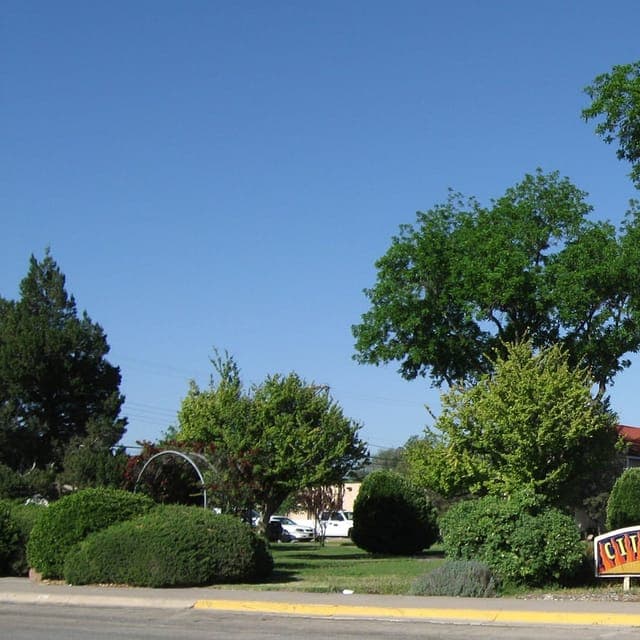
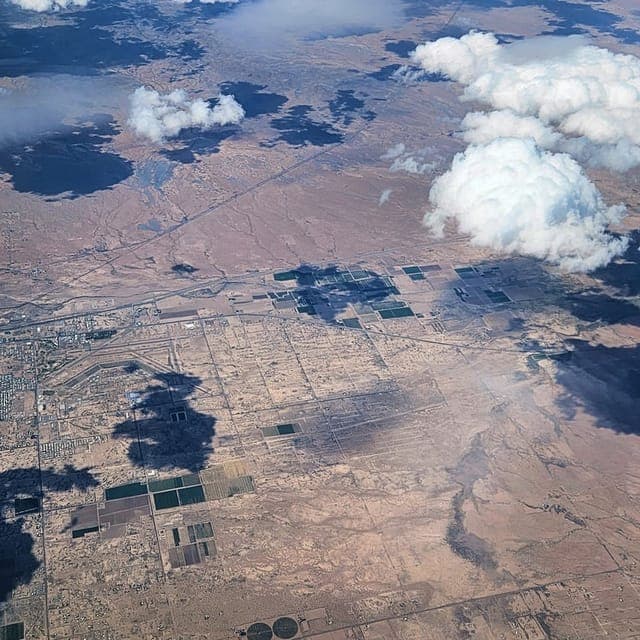
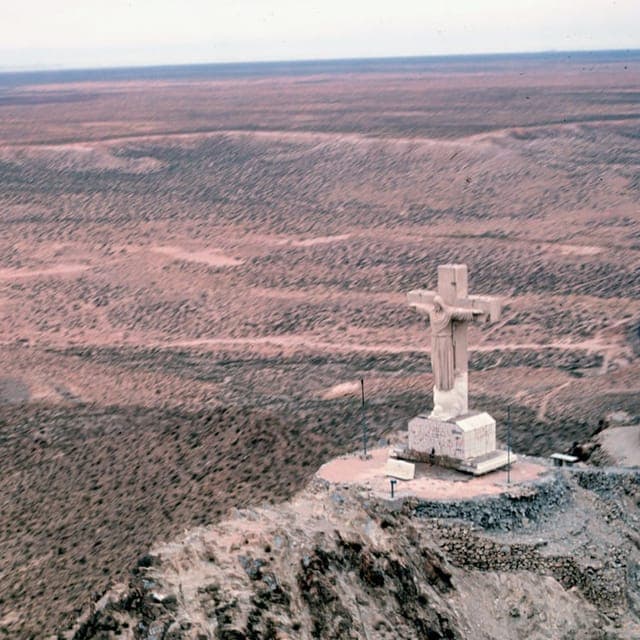
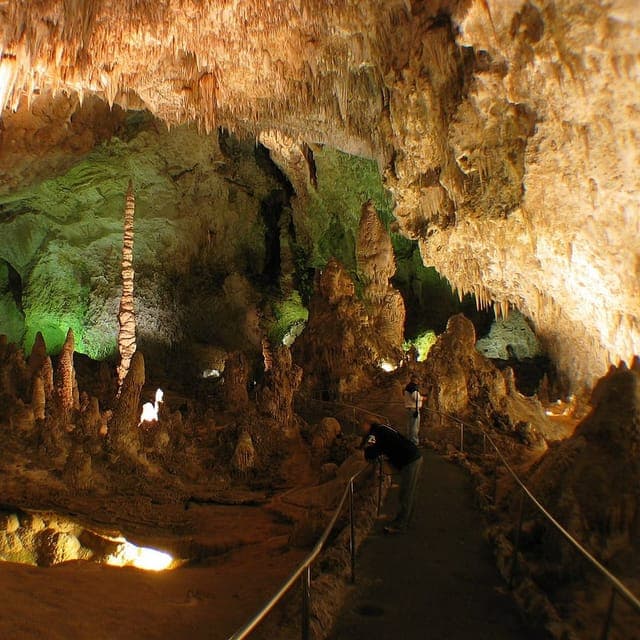
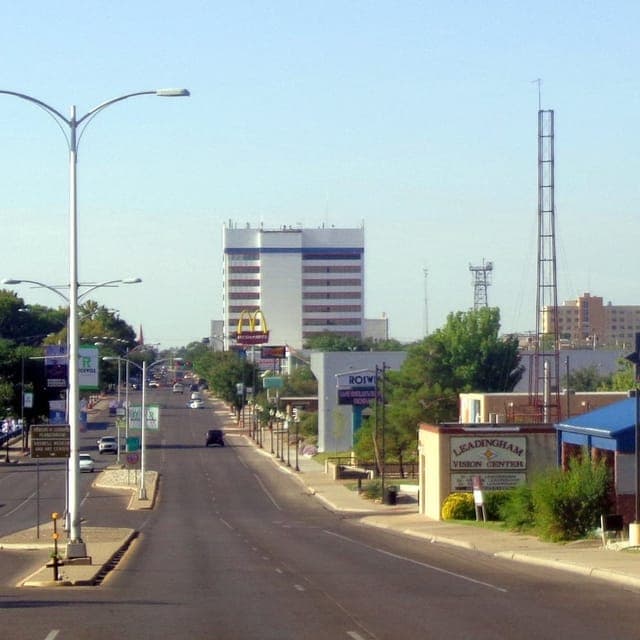
Top Cities for Personal Sovereignty in New Mexico

* Values derived from national, state, county, city and local statistics and may differ in a specific area. Last updated: 2026-04-14T06:21:01.000Z
Narrative content on this page is AI-generated and may contain mistakes. Verify any details that matter before acting on them.
ReloMaps may earn a commission from affiliate links at no extra cost to you.

