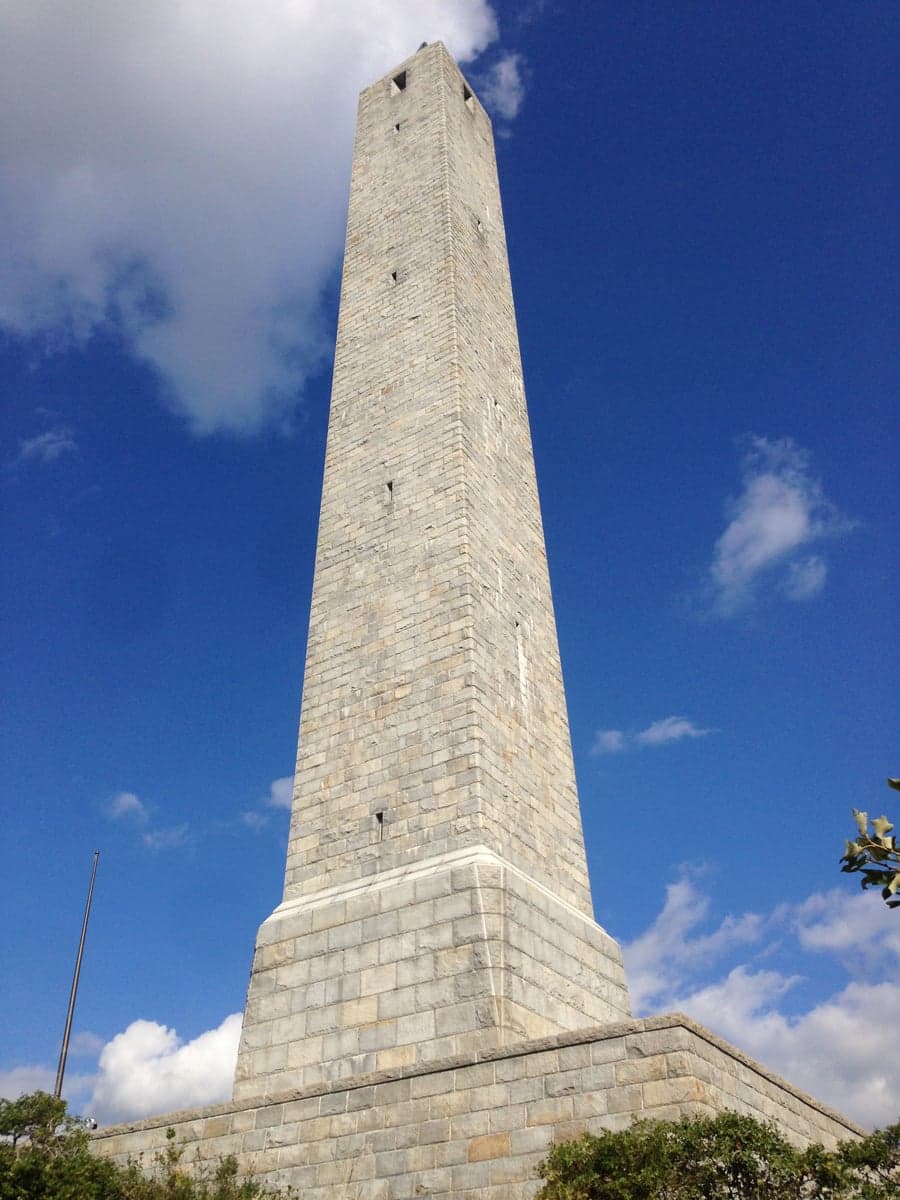
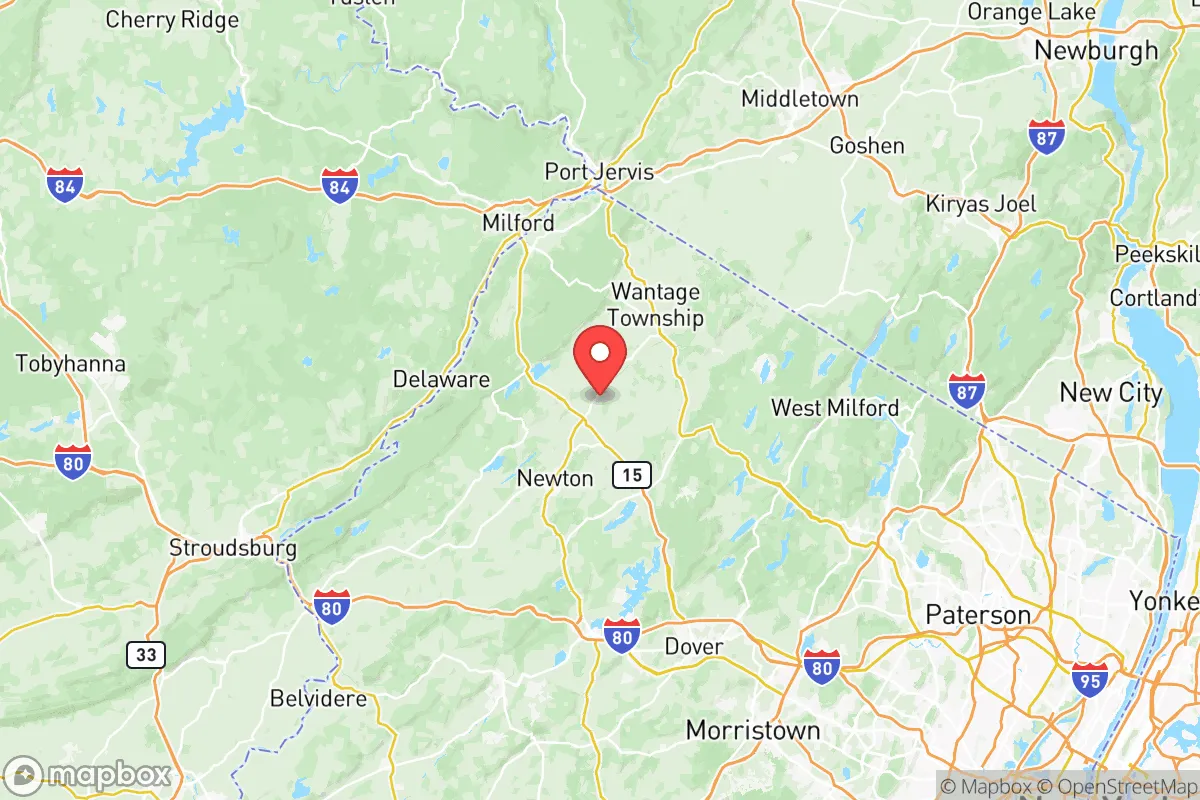
Photo: Wikipedia
Quality of Life in Sussex County
A livable area that tracks near national norms for affordability, walkability, and neighborhood health.
What does Quality of Life tell us?
Quality of Life measures an area by evaluating factors like cost of living, nearby amenities, country club access, airport proximity, socioeconomic signals and neighborhood character. For large states, this is a general average — quality of life can vary dramatically between metro areas, suburbs, and rural communities within the same state.
What does this tell us?
Quality of Life measures an area by evaluating factors like cost of living, nearby amenities, country club access, airport proximity, socioeconomic signals and neighborhood character. For large states, this is a general average — quality of life can vary dramatically between metro areas, suburbs, and rural communities within the same state.
Cost of Living
26% above national average
117%
The Real Cost of Living in Sussex County for 2026
| Tier | Individual | Family (4) |
|---|---|---|
| Survival | $24k | $45k |
| Comfortable | $67k | $98k |
| Luxury | $181k+ | $280k+ |
| Elite (Top 5%) | $213k+ | $330k+ |
Quality-of-Life Analysis
Sussex County, New Jersey, offers a broad quality-of-life spectrum that ranges from walkable, historic downtowns to secluded mountain hamlets, drawing everyone from young professionals seeking commuter rail access to retirees looking for lakefront tranquility. With a cost of living index of 126 (26% above the national average) and an average commute of 36 minutes, the county balances rural character with proximity to New York City employment hubs. The diversity of settlement patterns—from the borough of Newton to the unincorporated stretches of Wantage Township—means that lifestyle expectations shift dramatically depending on which part of the county one chooses.
Largest town(s) & population centers
Newton serves as the county seat and primary commercial hub, with a population of roughly 8,000. Daily life here centers around Spring Street’s independent shops, the Sussex County Community College campus, and the Newton Theatre, which hosts live performances. The town offers a compact, walkable core with a mix of Victorian homes and newer subdivisions, and it anchors the county’s limited public transit options via NJ Transit bus routes to the Port Authority. Franklin, the county’s most populous borough (about 5,000 residents), is known for its historic zinc mines and the Sterling Hill Mining Museum, but its daily rhythm is more residential and car-dependent, with strip malls along Route 23 serving most retail needs. Hopatcong, hugging the shores of New Jersey’s largest lake, blends a year-round population of 14,000 with seasonal tourism; its downtown is modest, but the lake drives a recreational lifestyle of boating, fishing, and lakeside dining. These three centers provide the county’s densest mix of services, though none offer the urban amenities of Morris County towns 20 minutes east.
Smaller towns & rural pockets
Beyond the population centers, Sussex County is defined by its smaller boroughs and sprawling townships. Branchville (pop. 800) is a classic small-town borough with a single traffic light, a volunteer fire department, and immediate access to Stokes State Forest. Andover Borough (pop. 600) clusters around a historic train station and offers a quiet, walkable village feel, while neighboring Andover Township is largely rural with horse farms and wooded lots. Vernon Township (pop. 22,000) is the county’s largest municipality by area, encompassing the Mountain Creek ski resort, the Appalachian Trail corridor, and the sprawling Great Gorge development; its character shifts from resort-oriented near the ski slopes to deeply rural along the New York border. Wantage Township and Sussex Borough (pop. 2,000) are predominantly agricultural and forested, with working farms, equestrian properties, and limited commercial strips. Unincorporated places like Lafayette and Hamburg offer little more than a post office and a general store, appealing to those seeking genuine seclusion.
Cost & lifestyle range
The cost of living varies noticeably across the county. At the upper end, Vernon Township and lakeside communities around Lake Hopatcong command median home values above $400,000, with waterfront properties exceeding $600,000; these areas attract second-home buyers and remote workers willing to pay a premium for views and recreation. At the more affordable end, Newton and Franklin offer median home values closer to the countywide figure of $342,800, with smaller starter homes and fixer-uppers available in the $250,000–$300,000 range. Median rent across the county is $1,503, but in Branchville or Sussex Borough, two-bedroom apartments can be found for under $1,200. The lifestyle trade-off is clear: Hopatcong and Newton provide walkable downtowns and shorter commutes (under 30 minutes to Morris County jobs), while Wantage and Vernon demand longer drives—often exceeding 45 minutes—for groceries, healthcare, and commuter rail access at the Port Jervis, NY station. Property taxes in Sussex County average around 2.1% of assessed value, slightly below the New Jersey state average, but still a significant factor in monthly housing costs.
Sussex County is best suited for those who prioritize open space, outdoor recreation, and a slower pace over urban convenience. Families seeking good schools (Vernon and Newton districts consistently rank above state averages) and professionals who can tolerate a 36-minute average commute—or work remotely—will find the county’s mix of historic boroughs and rural townships offers genuine lifestyle variety. Retirees and second-home buyers gravitate to the lake communities, while younger renters and first-time buyers find the most value in Franklin and Newton’s older housing stock. The county’s character remains distinctly rural, with no major highways and limited nightlife, but its proximity to the Delaware Water Gap and the Appalachian Trail makes it a haven for hikers, anglers, and anyone seeking a genuine escape from suburban sprawl.

Crime in Sussex County
Generally safer than 69% of comparable U.S. locations.
Violent CrimeViolent Crime Analysis
Property CrimeProperty Crime Analysis
Crime Analysis
Sussex County, New Jersey, presents a notably safer environment than the state average, with a violent crime rate of 156.7 per 100,000 residents and a property crime rate of 1,237.1 per 100,000. While no community is crime-free, these figures place Sussex County well below the New Jersey state averages for both violent and property offenses, making it one of the more secure rural counties in the northern part of the state. The county’s low population density and strong community policing in towns like Newton and Sparta contribute to this overall safety profile.
Crime in context
When compared to both state and national benchmarks, Sussex County’s crime rates are a clear positive. The violent crime rate of 156.7 per 100,000 is roughly half the national average and significantly lower than the New Jersey state average of approximately 200 per 100,000. Property crime, at 1,237.1 per 100,000, is also well below the national figure of around 1,950 per 100,000. However, it is important to note that these county-wide averages can mask local variations. For instance, the county seat of Newton and the borough of Franklin tend to report slightly higher property crime rates than the more affluent, bedroom communities like Vernon and Wantage, where property crime is often limited to opportunistic theft from vehicles. The Sussex County Prosecutor’s Office, which operates under a more traditional, law-and-order framework, has been effective in maintaining these low rates, a contrast to the more progressive prosecutorial policies seen in some urban New Jersey counties.
What residents experience
For most residents, crime is not a dominant concern in daily life. The most common incidents are non-violent: theft from unlocked cars, package thefts, and occasional vandalism in commercial areas. Violent crime is rare and typically domestic in nature, not random. The county’s rural character means that response times from the New Jersey State Police or local departments can be longer in the far-flung townships of Sandyston or Walpack, but the overall risk remains low. Residents in Sparta and Hopatcong frequently cite the safety of their neighborhoods as a primary reason for living there, with many families feeling comfortable letting children play outside unsupervised. The biggest safety-related issue is often traffic safety on Route 206 and Route 15, rather than interpersonal crime.
Neighborhood-level variation in Sussex County is largely predictable by population density and proximity to major highways. The more densely populated boroughs like Newton and Franklin see higher rates of reported crime, particularly property crime, due to more commercial activity and transient populations. In contrast, the sprawling, low-density townships of Wantage, Vernon, and Stillwater consistently report the lowest crime rates in the county. Residents in these areas often rely on informal neighborhood watch networks and the presence of the New Jersey State Police for coverage. While no area in Sussex County is considered dangerous by national standards, those seeking the absolute lowest crime risk should focus on the more remote, rural townships, while those moving to Newton or Franklin should take standard urban precautions like securing vehicles and homes.
* Values derived from national, state, county, city and local statistics and may differ in a specific area. Last updated: 2026-09-27T23:08:40.000Z
Narrative content on this page is AI-generated and may contain mistakes. Verify any details that matter before acting on them.
ReloMaps may earn a commission from affiliate links at no extra cost to you.

