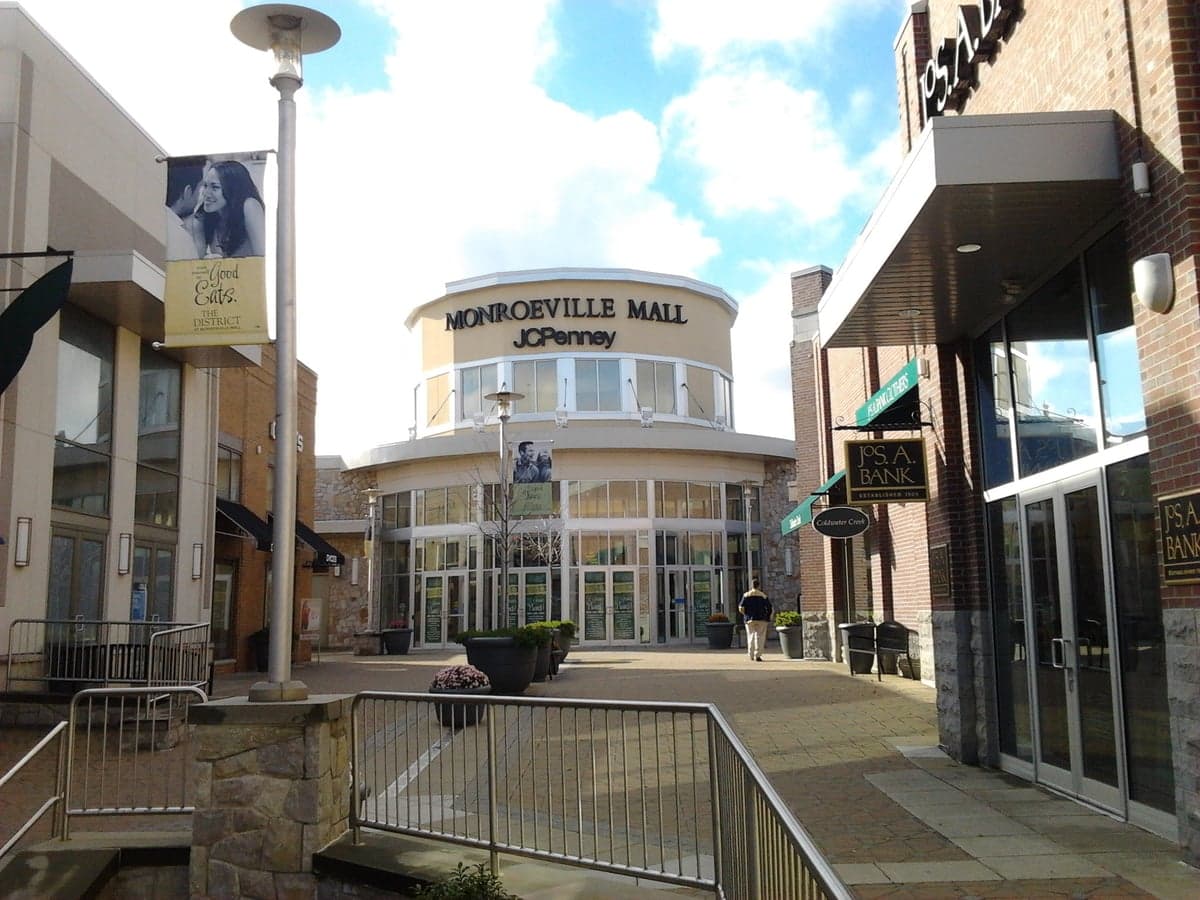
Photo: Wikipedia
Political ClimatePolitical Climate in Monroeville, PA
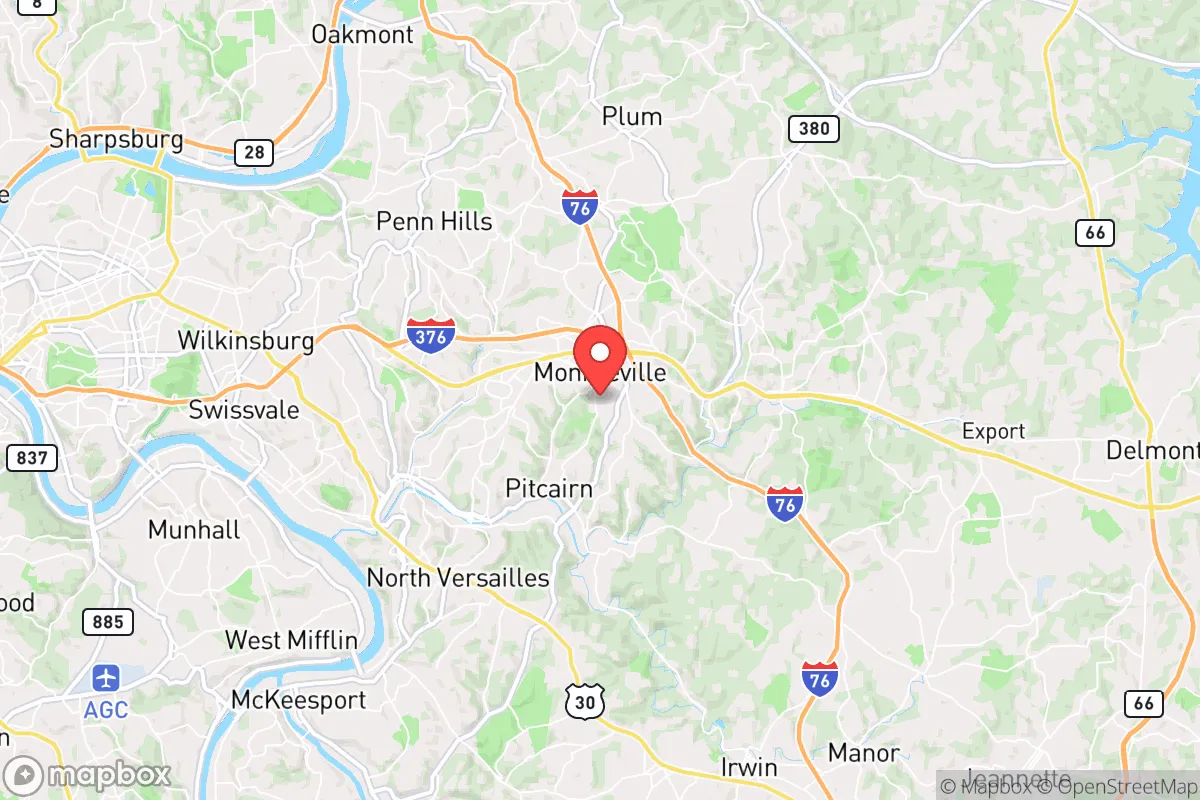
District shown is the primary district for this city’s centroid. Cities may span multiple districts.
Local Political AnalysisPolitical Analysis of Monroeville, PA
Monroeville, PA, sits in a political bubble that’s been slowly deflating. Its Cook PVI of D+10 tells you the official story—solidly Democratic on paper—but anyone who’s lived here for a generation knows that number masks a real shift. Ten, fifteen years ago, this was a place where a working-class Democrat and a moderate Republican could agree on most things over coffee at Eat’n Park. Now, the progressive wing of the local party has taken the reins, and the old-school balance is tipping in ways that feel less like community consensus and more like top-down direction. The trajectory isn’t toward the center; it’s toward a louder, more activist brand of politics that leaves a lot of us scratching our heads.
How it compares
Drive ten minutes west into Pittsburgh proper, and you’re in a D+25 world where single-party rule is the norm—city council votes are often unanimous along party lines, and the mayor’s office has been Democratic for decades. Head east to Murrysville or north to Plum, and you hit R+10 territory, where property taxes are lower, zoning fights are rarer, and the local government tends to keep its hands off your business. Monroeville is caught in the middle, but it’s drifting. The old guard of union Democrats who prioritized roads, plowing, and police budgets is being replaced by newcomers who push bike lanes, diversity equity initiatives, and “climate action plans” that sound good in a press release but add layers of regulation to small businesses. The contrast with nearby Penn Hills—another D+10 suburb that’s seen its tax base erode—isn’t lost on anyone who remembers when both towns were thriving retail hubs.
What this means for residents
For the average family, the political tilt here means you’re paying for priorities you didn’t vote for. The school board has shifted left, with curriculum changes that emphasize social-emotional learning over core academics—and parents who object are often told to “trust the process.” The municipal government has floated new stormwater fees and a plastic bag ban, both of which sound small but add up when you’re already watching your grocery bill climb. Property taxes in Allegheny County are among the highest in Pennsylvania, and Monroeville’s slice of that pie keeps growing because the local budget is padded with programs that don’t directly benefit the people footing the bill. If you value being left alone to run your life, the creeping sense here is that the government is more interested in managing your choices than protecting your freedom to make them.
Culturally, Monroeville still has its roots in the old Pennsylvania work ethic—you see it at the VFW hall, at the Monroeville Volunteer Fire Company fundraisers, and in the way people still wave you into traffic on Route 22. But the policy direction is increasingly out of step with that culture. The long-term concern is that as the progressive agenda tightens its grip—through zoning overlays, diversity quotas, and climate mandates—the people who made this town what it is will quietly leave for places like Westmoreland County, where the tax burden is lighter and the government’s ambitions are smaller. Monroeville isn’t San Francisco yet, but the blueprint is there, and it’s worth watching closely if you’re thinking of putting down roots.

State Political ClimatePolitical Climate in Pennsylvania
State Political AnalysisPolitical Environment in the State
Pennsylvania is a true battleground state, and if you’re looking at it through a conservative lens, the picture is complicated. It’s been a classic “toss-up” for decades, but the last 10-20 years have seen a real shift: the old blue-collar Democratic strongholds in the west and northeast are bleeding voters, while the Philly suburbs have gone hard left. The result is a state that’s nearly evenly split, but trending in a concerning direction for conservatives, with a narrow Republican edge in the legislature often checked by a Democratic governor and a heavily Democratic Supreme Court. The 2024 presidential race was decided by less than 2 points, and the state’s 19 electoral votes remain the ultimate prize.
Urban vs. rural divide
The political map of Pennsylvania is a tale of two worlds. The entire western half of the state, from Pittsburgh out to the Ohio border, is a mix of deep-red rural counties and a shrinking but still powerful Democratic machine in the city itself. Allegheny County (Pittsburgh) is a blue fortress, but the surrounding counties like Westmoreland, Butler, and Washington are now solidly Republican. The real story is the southeast: Philadelphia and its four collar counties (Bucks, Montgomery, Chester, Delaware) are the engine of the Democratic Party in the state. These suburbs have flipped from moderate Republican to deep blue in the last decade, driven by an influx of professionals and a sharp shift on social issues. Meanwhile, the vast rural middle of the state — places like Centre County (State College), Lycoming, and Bradford — is overwhelmingly red. The key battlegrounds are the “collar counties” around Philly and the old industrial towns like Erie, Scranton, and Wilkes-Barre, where working-class voters are increasingly split between the two parties.
Policy environment
For a conservative, the policy environment in Pennsylvania is a mixed bag with some real bright spots and some serious red flags. On the plus side, the state has a flat income tax rate of 3.07%, which is relatively low and hasn’t been raised in years. There’s no state tax on Social Security or most retirement income, which is a big draw for retirees. The state is also a “right-to-work” state in practice, though not by law, and union power has been steadily declining. On the downside, property taxes are among the highest in the nation, especially in the Philly suburbs and Pittsburgh, and the state’s regulatory environment is burdensome, particularly for small businesses and energy producers. The education system is a mess: the state Supreme Court recently ruled that the current school funding system is unconstitutional, which could lead to massive tax increases. Election laws are a constant battleground, with the legislature passing voter ID requirements that were then gutted by the courts. The state also has a Democratic governor, Josh Shapiro, who has used executive orders to expand Medicaid, impose stricter environmental regulations on the natural gas industry, and push for “reproductive freedom” policies.
Trajectory & freedom
The trajectory of freedom in Pennsylvania is a tug-of-war, and the rope is slipping. On the positive side, the state has a strong tradition of gun rights, with a preemption law that prevents local governments from passing their own restrictions. The legislature passed a constitutional carry bill in 2024, which was vetoed by Governor Shapiro, but the fight continues. There’s also a growing parental rights movement, with school boards in places like Central Bucks and Pennridge pushing back against critical race theory and gender ideology in classrooms. On the negative side, the state has seen a steady erosion of personal liberty. The governor has used emergency powers to impose mask and vaccine mandates, and the state Supreme Court has upheld these actions. There’s a growing push for “red flag” laws and universal background checks, which are likely to pass if Democrats ever win a trifecta. The state’s energy sector, particularly the Marcellus Shale natural gas industry, is under constant regulatory assault, with new fees and restrictions that are driving jobs out of the state. The bottom line: Pennsylvania is a state where your freedom depends heavily on which county you live in, and the state-level trend is toward more government control.
Civil unrest & political movements
Pennsylvania has seen its share of political flashpoints. The 2020 election was a major battleground, with widespread allegations of irregularities in Philadelphia and Allegheny counties, leading to a massive grassroots movement for election integrity. The state’s mail-in voting law, Act 77, was a particular focus, and there are ongoing efforts to repeal or reform it. On the left, there’s a strong activist presence in Philadelphia and Pittsburgh, with groups like Indivisible and Black Lives Matter organizing protests and pushing for defunding the police. The state has also seen a surge in immigration-related activism, with Philadelphia declaring itself a “sanctuary city” and the state government pushing back against federal immigration enforcement. There’s a growing secessionist movement in the rural parts of the state, with some counties in the north and west exploring the idea of joining a new state or region. The most visible flashpoint for a new resident would be the constant protests and counter-protests at the state capitol in Harrisburg, particularly around issues like abortion and gun rights.
Projection
Looking ahead 5-10 years, the outlook for conservatives in Pennsylvania is not great, but it’s not hopeless either. The demographic trends are clear: the Philly suburbs are getting bluer, and the rural areas are getting redder but also shrinking. The state is losing population in the west and north, while the southeast is growing. This means the political center of gravity is shifting toward the left. However, there are some countervailing trends. The in-migration of conservatives from blue states like New York and New Jersey is starting to have an impact in places like the Poconos and the Lehigh Valley. The natural gas industry is a major economic driver, and if the regulatory environment improves, it could bring more jobs and conservative voters. The wild card is the state Supreme Court, which is currently 5-2 Democratic. If Republicans can flip that court, it would be a game-changer for redistricting and election laws. For someone moving in now, expect a state that will remain a battleground for the foreseeable future, with the possibility of a Democratic trifecta that could push through a progressive agenda on taxes, energy, and education.
For a conservative considering a move to Pennsylvania, the bottom line is this: you can find a great life here, but you need to pick your county carefully. The rural areas and smaller cities offer a high quality of life, low crime, and a strong sense of community, but you’ll be fighting an uphill battle at the state level. The Philly suburbs are a no-go for most conservatives, while places like Lancaster, York, and the Poconos offer a more balanced environment. The state’s tax structure is relatively friendly, but the property taxes are a killer. The biggest risk is that the state government continues to drift left, which could lead to higher taxes, more regulations, and a loss of personal freedom. If you’re willing to get involved in local politics and fight for your values, Pennsylvania is a worthy battleground. If you’re looking for a place where you can just live your life without constant political battles, you might want to look further west.
* Values derived from national, state, county, city and local statistics and may differ in a specific area. Last updated: 2026-05-01T11:48:32.000Z
Narrative content on this page is AI-generated and may contain mistakes. Verify any details that matter before acting on them.
ReloMaps may earn a commission from affiliate links at no extra cost to you.

