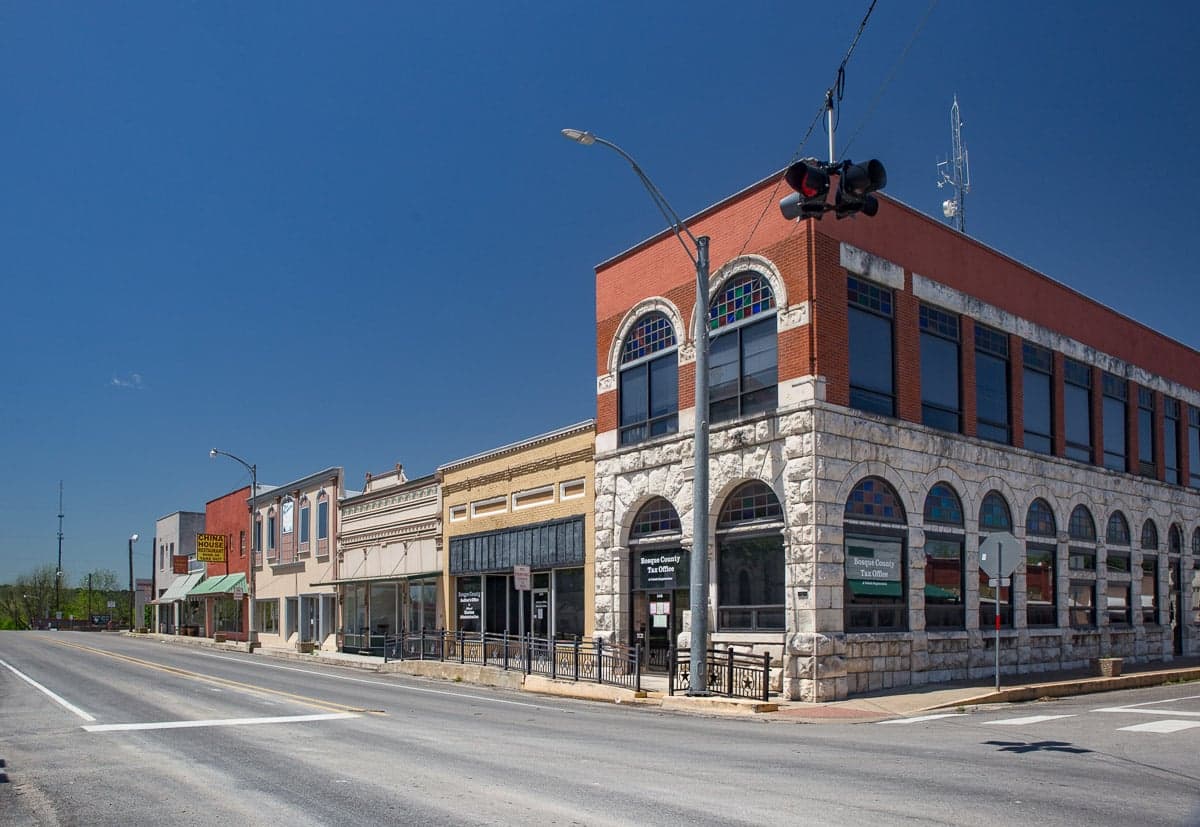
Photo: Wikipedia
Strategic Assessment of Meridian, TX
Workable tactical position. Some exposure to population density or targets, but generally defensible in a crisis.
What does the Strategic Assessment tell us?
Our Strategic Assessment grades tactical survivability of an area. Major population centers, military targets, fallout zones, natural disasters, and border exposure all drive risk — lower exposure means a more defensible position in a crisis.
This is heavily inspired by Joel Skousen's Strategic Relocation book. Highly recommended you checkout the book ($)What does this tell us?
Our Strategic Assessment grades tactical survivability of an area. Major population centers, military targets, fallout zones, natural disasters, and border exposure all drive risk — lower exposure means a more defensible position in a crisis.
This is heavily inspired by Joel Skousen's Strategic Relocation book. Highly recommended you checkout the book ($)Strategic Pillars

Key Distances
Regional Safe Places
Below is our recommended "safe zones" in Texas and the surrounding area based on our strategic heuristics. For most people, it's unrealistic to live in a “safe zone” full-time due to work, family or other personal reasons. They tend to be more rural. However, many of these areas are perfect for second homes and retreat properties that double as a vacation home or even a short-term rental.

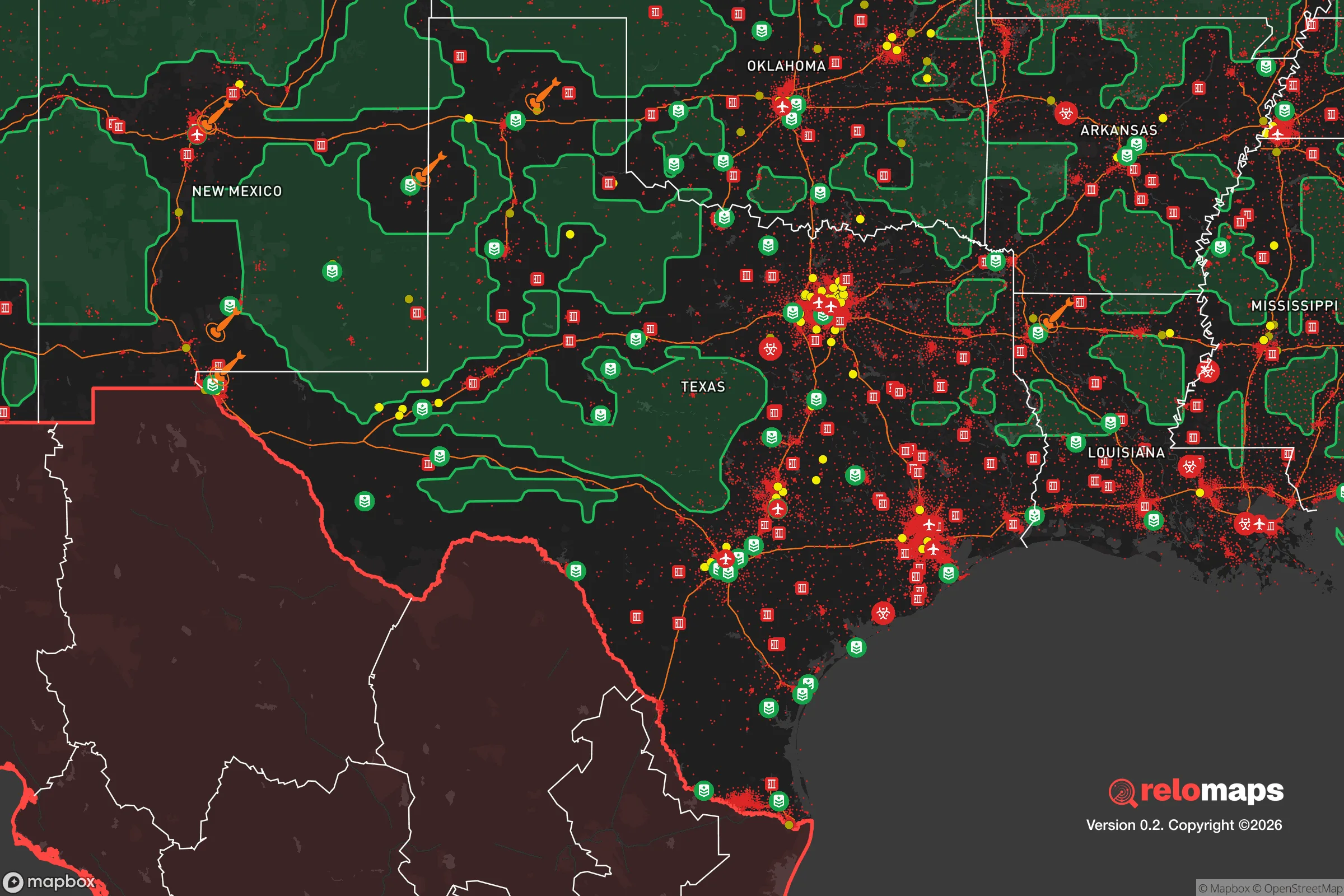


Important Note: For informational purposes only. This does not mean nothing bad ever happens in the green zones. Please use common sense. This is based on public data and modeled with AI. We tried to take a conservative approach but mistakes happen. We update this regularly as new information becomes available.
Solar Generator Recommendations
Backup power matters more here than in safer locations. We've picked three solar generators across budgets and capacity tiers — start with the budget unit if you only need a few essentials, or step up if you want to run a fridge and HVAC for days at a time.

Jackery Portable Power Station Explorer 300
Budget OptionPower on the Go: Weighing only 11 lbs, it's convenient to set up and store with book-sized foldable solar panels

BLUETTI Portable Power Station AC180
Designed for both indoor and outdoor scenarios, AC180 is highly capable as it has a robost capacity and continuous output power.

EF ECOFLOW DELTA Pro Ultra Power Station
Upgraded PickEcoFlow DELTA Pro Ultra is a whole-home energy system designed to grow with your family. Integrated with the Smart Home Panel 2, it scales to meet your evolving energy needs — keeping your home powered, intelligent, and secure through every stage of life.
We earn a commission, at no additional cost to you.
Strategic Assessment Analysis
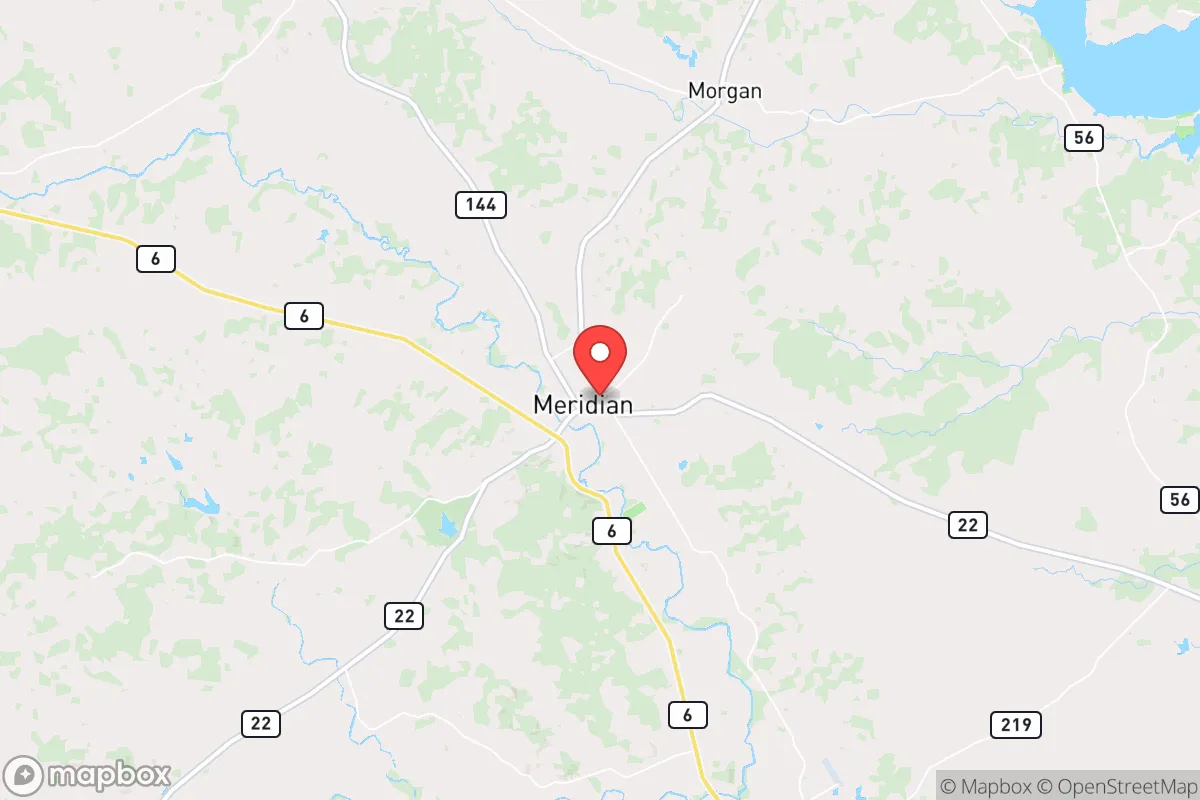
Meridian, Texas, offers a compelling strategic position for those prioritizing resilience and distance from major population centers, sitting roughly 40 miles northwest of Waco and 75 miles south of the Dallas-Fort Worth metroplex. This placement provides a meaningful buffer from the cascading effects of urban unrest, grid failures, or mass casualty events that could cripple larger cities, while still allowing access to regional resources when needed. The town’s small population—around 1,500 residents—and its location in Bosque County, which voted heavily Republican in recent cycles, align with a conservative, self-reliant ethos that values local control and preparedness. For a relocator assessing long-term survivability, Meridian’s combination of low density, agricultural surroundings, and relative isolation from high-value targets makes it a serious candidate for a strategic retreat.
Geographic position and natural advantages for long-term survival
Meridian sits on the eastern edge of the Texas Hill Country, a region known for its limestone bedrock, rolling hills, and reliable groundwater sources—factors that matter deeply when considering water security and defensibility. The area is not prone to the hurricanes that hammer the Gulf Coast or the wildfires that plague West Texas, though occasional tornadoes and flash floods are risks. The surrounding Bosque County is sparsely populated, with fewer than 20 people per square mile, which dramatically reduces the likelihood of encountering desperate, displaced populations during a crisis. The town’s position along State Highway 6 and near Interstate 35 provides a two-lane escape route north or south without forcing you through major choke points, though I-35 itself could become a liability if mass evacuations occur. The nearby Lake Whitney, about 15 miles east, offers a secondary water source and fishing opportunities, but it’s also a potential draw for refugees—something to factor into your planning.
Risks, exposures, and proximity to fallout-relevant landmarks
Meridian’s primary strategic weakness is its proximity to several infrastructure targets that could become focal points during a national emergency. The most concerning is the Waco area, home to the Texas State Technical College and the Waco Regional Airport, which could be used for military or FEMA logistics—making it a potential target for civil unrest or even foreign sabotage. The Fort Hood military installation (now Fort Cavazos) is roughly 50 miles southwest, a massive concentration of personnel and equipment that could attract everything from cyberattacks to ground-based threats. Additionally, the Dallas-Fort Worth metroplex, with its multiple airports, rail hubs, and corporate headquarters, is a high-probability target for any mass casualty event, and the fallout—both literal and figurative—could ripple outward. Meridian’s distance from these sites is a buffer, but not a guarantee. The town itself has no major industrial or military assets, which is a double-edged sword: it’s less likely to be targeted, but also lacks the infrastructure to support a sudden influx of people. The Brazos River, which runs through the county, could flood during extreme weather events, though the town sits on higher ground. For a prepper, the key takeaway is that Meridian is far enough from the worst threats to buy time, but close enough that you’ll need a solid bug-out plan if things go sideways.
Practical resilience for a relocator: food, water, energy, and defensibility
When it comes to day-to-day preparedness, Meridian offers a mix of advantages and gaps that require upfront investment. Water is the most critical resource, and the area’s groundwater is generally accessible via wells, with the Trinity Aquifer providing decent yields at depths of 200-400 feet. Many rural properties already have wells, but you’ll want to test for quality and install a hand pump or solar-powered backup. The local climate supports rain catchment, with an average of 35 inches of rainfall per year, so a well-designed system can supplement your supply. For food, the surrounding farmland is primarily cattle ranching and hay production, but the growing season is long enough for a substantial garden—think tomatoes, peppers, squash, and root vegetables. Meridian has a small grocery store (Brookshire’s) and a few local markets, but supply chains could break down quickly in a crisis, so you’ll need to stockpile non-perishables or establish relationships with local farmers. Energy is a mixed bag: the grid is served by Oncor, which has a history of outages during ice storms and heat waves, so solar panels with battery storage are a wise investment. The town’s low population density means you can secure a defensible property—look for acreage with a clear line of sight to approach roads, natural barriers like creeks or hills, and a layout that minimizes exposure. Bosque County has a strong hunting culture, so firearms are common and accepted, but you’ll want to keep a low profile to avoid drawing attention. The local sheriff’s office is small, so community self-reliance is the norm. For a relocator, the practical takeaway is that Meridian provides a solid foundation for resilience, but you’ll need to invest in water, energy, and food storage to bridge the gaps.
The overall strategic picture for Meridian is one of cautious optimism for a conservative-minded relocator. It’s not a fortress—no place is—but it offers a rare combination of low population density, defensible terrain, and distance from high-value targets that makes it a viable base for weathering civic unrest or mass casualty events. The town’s conservative culture means you’ll find neighbors who share your values around self-reliance and preparedness, which is invaluable for building a mutual aid network. However, the proximity to Waco and Fort Cavazos means you can’t afford to be complacent; you need a plan for monitoring threats and a route for deeper retreat if necessary. For a single individual or family willing to put in the work—digging a well, installing solar, stockpiling supplies—Meridian represents a solid, if unglamorous, strategic choice. It’s the kind of place where you can live quietly, prepare seriously, and sleep a little easier knowing you’re not in the blast zone.

* Values derived from national, state, county, city and local statistics and may differ in a specific area. Last updated: 2026-05-12T01:21:39.000Z
Narrative content on this page is AI-generated and may contain mistakes. Verify any details that matter before acting on them.
ReloMaps may earn a commission from affiliate links at no extra cost to you.

