
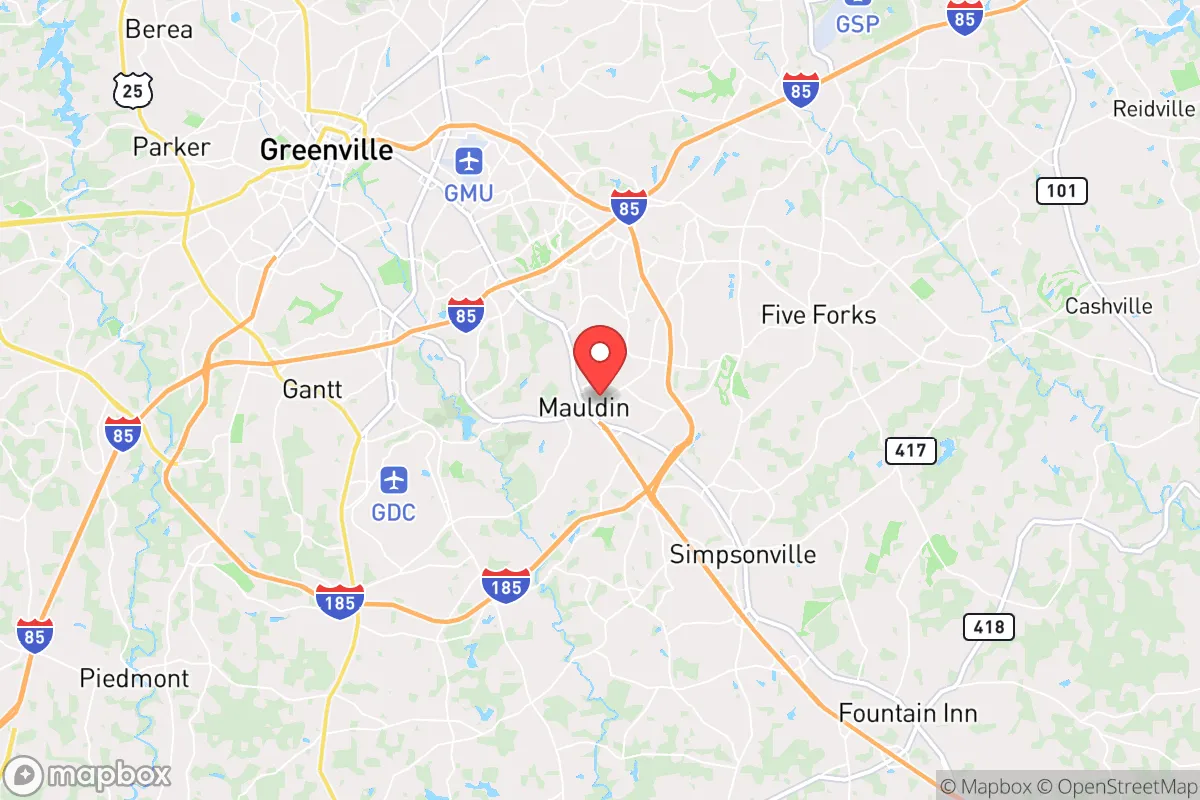
Photo: Wikipedia
Quality of Life in Mauldin, SC
A high quality of life with strong walkability, manageable living costs, healthy neighborhood signals, and solid amenity access.
What does Quality of Life tell us?
Quality of Life blends cost of living, nearby amenities, socioeconomic signals, and neighborhood character. City-level scores represent the whole municipality; individual neighborhoods can differ.
What does this tell us?
Quality of Life blends cost of living, nearby amenities, socioeconomic signals, and neighborhood character. City-level scores represent the whole municipality; individual neighborhoods can differ.
Cost of Living
7% above national average
The Real Cost of Living in Mauldin, SC for 2026
| Tier | Individual | Family (4) |
|---|---|---|
| Survival | $22k | $42k |
| Comfortable | $47k | $69k |
| Luxury | $115k+ | $178k+ |
| Elite (Top 5%) | $135k+ | $210k+ |
117%
The Area Signal
A metric tracking the socioeconomic signals of the area.
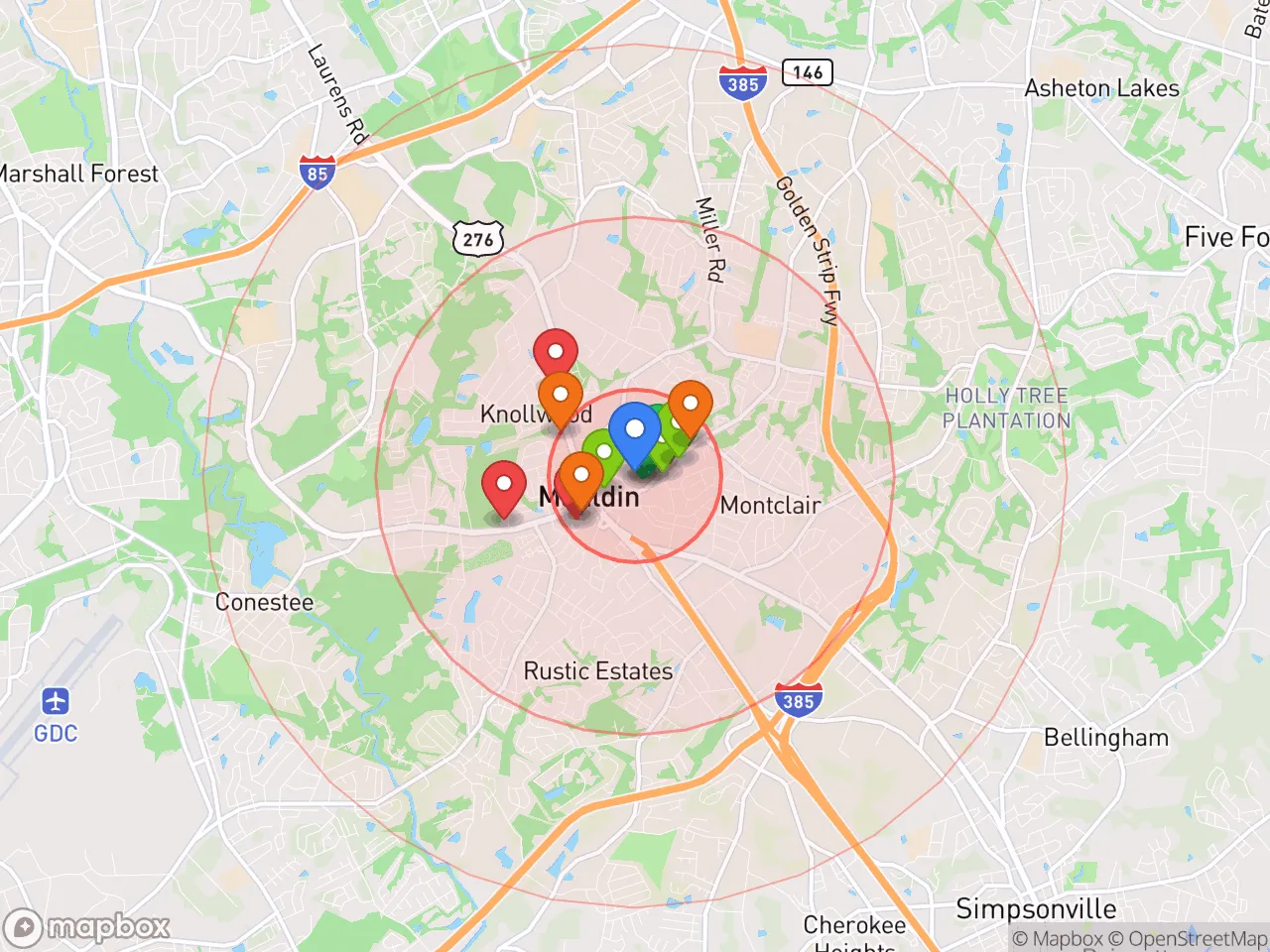
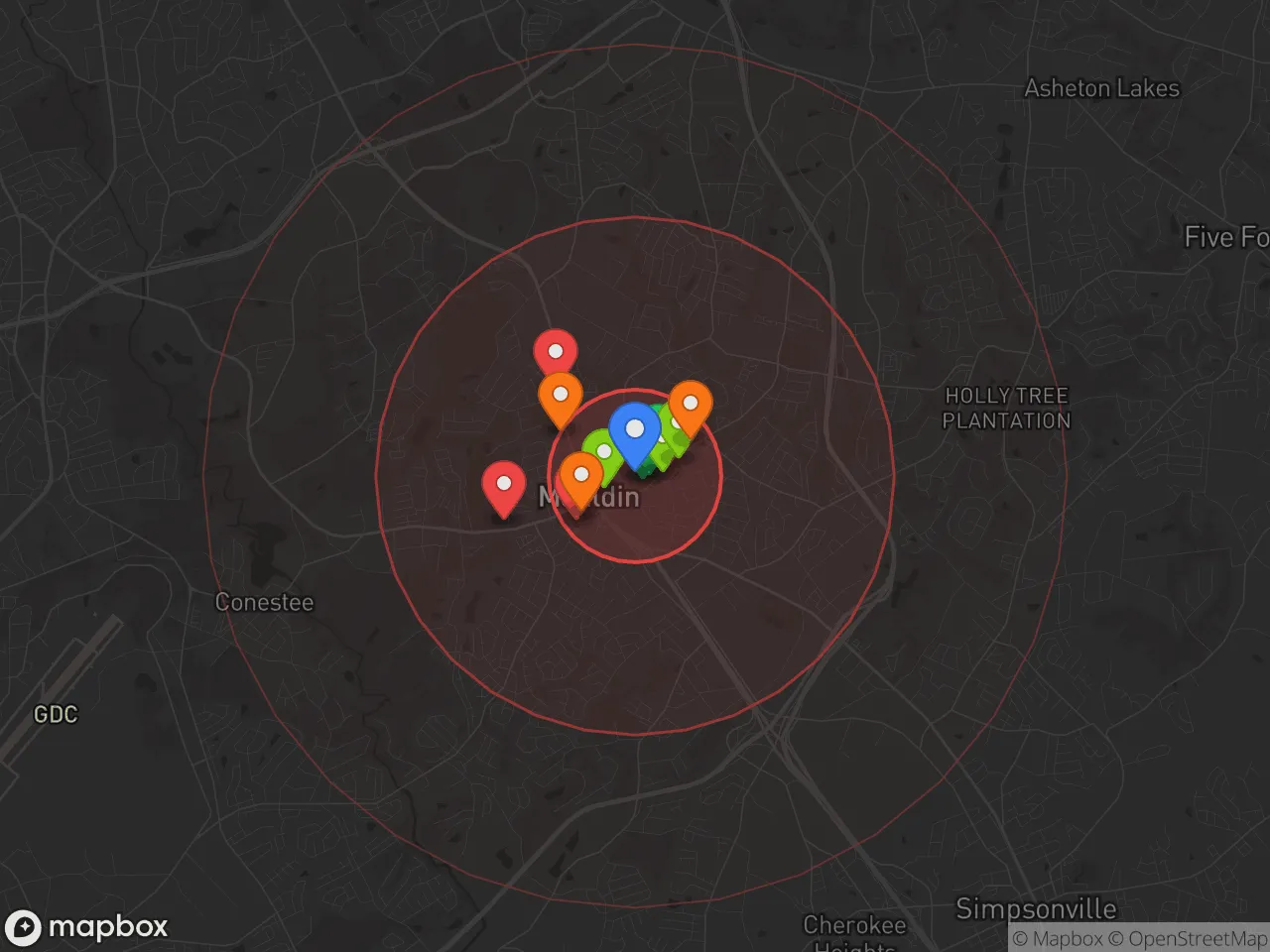
Hobbies
Explore the areaGroceries
7 within 10 miles
Gas
20 within 10 miles
Hospital
13 within 20 miles
Airport
CLT — Charlotte Douglas International
Post Office
USPS — Mauldin, SC
Critical Amenities
Quality-of-Life Analysis
Mauldin, South Carolina, presents a quality of life defined by suburban affluence and steady growth, attracting a mix of young professionals, growing families, and long-time residents who value proximity to Greenville without the urban price tag. With a cost of living index of 107 (7% above the national average) and a median home value of $242,100, the city sits in a comfortable middle ground—more expensive than rural Upstate towns but notably more affordable than Greenville proper or Charleston. The typical resident is a homeowner in their 30s or 40s, often commuting to jobs in Greenville’s corporate hubs or the nearby BMW and Michelin plants, and the community’s character leans toward quiet, family-oriented stability rather than nightlife or tourist-driven energy.
Cost of living, housing affordability, and how Mauldin compares to Greenville and Simpsonville
Mauldin’s cost of living index of 107 reflects housing costs that are the primary driver of the above-average figure. The median home value of $242,100 is roughly 15-20% lower than Greenville’s median (around $290,000 in 2025), making Mauldin a practical choice for buyers seeking a detached single-family home without crossing into the $300,000+ range common in Simpsonville’s newer subdivisions. Median rent of $1,401 is competitive with Greenville’s average of $1,500 and well below the $1,700+ seen in downtown luxury apartments. For a two-income household earning the Upstate median of roughly $75,000, the housing expense ratio (mortgage or rent as a percentage of income) falls around 28-30%, which is manageable but not cheap. Property taxes in Greenville County are moderate—around 0.6% of assessed value—so a $242,100 home carries an annual tax bill of roughly $1,450. The average commute of 21.3 minutes is shorter than the national average of 26 minutes, and most residents drive to jobs along the I-85 corridor, with traffic on Mauldin Road and Laurens Road being the main pinch points during peak hours.
Schools, parks, and the daily rhythm of life in Mauldin
Daily life in Mauldin revolves around its well-regarded public schools, neighborhood parks, and a modest but functional commercial core. The city is served by Greenville County Schools, with Mauldin High School (rated 8/10 on GreatSchools) and Mauldin Elementary (rated 9/10) drawing families who prioritize education. The school district’s overall A rating from Niche is a key reason many families choose Mauldin over less expensive but lower-rated districts in Laurens or Anderson counties. For recreation, the city maintains Mauldin Cultural Center and Mauldin Sports Center, which hosts youth leagues and fitness classes, while Conestee Park (a 400-acre county park with a lake and trails) is a 10-minute drive. The dining and retail scene is practical rather than trendy—chains like Chick-fil-A and Publix dominate, but local spots like Clock Drive-In (a 1950s-style burger joint) and Gather GVL (a food truck park) provide character. The rhythm is suburban: school drop-offs, weekend soccer games, and errands at the Mauldin Shopping Center. There is no major nightlife district, and most residents head to Greenville’s West End or downtown Simpsonville for evening entertainment.
Mauldin is best suited for families and professionals who want a safe, well-maintained suburb with strong schools and a commute under 25 minutes to Greenville’s job centers. Singles and young couples seeking walkable nightlife or urban density will find the city too quiet, while retirees on fixed incomes may find the cost of living slightly elevated compared to rural alternatives like Fountain Inn or Piedmont. For those who value a low-crime environment (Mauldin’s violent crime rate is roughly half the national average), good public schools, and a housing market that still offers detached homes under $300,000, Mauldin delivers a reliable, if unflashy, quality of life that aligns with the broader Upstate’s reputation for balanced growth.

Crime in Mauldin, SC
Lower crime rates than 82% of comparable U.S. locations.
Violent CrimeViolent Crime Analysis
Property CrimeProperty Crime Analysis
Crime Analysis
Mauldin, South Carolina, presents a mixed safety profile for prospective residents. The city’s violent crime rate of 160.6 incidents per 100,000 residents is notably lower than both the South Carolina state average and the national median, placing it among the safer communities in the Greenville-Spartanburg metropolitan area. However, the property crime rate of 1,133.8 per 100,000 exceeds national averages, indicating that theft and burglary are more pressing concerns for those living in or moving to this growing suburb.
Crime in context
When compared to broader benchmarks, Mauldin’s violent crime rate is roughly half the national average and significantly below South Carolina’s statewide rate of approximately 490 per 100,000. This makes the city a relative outlier for safety in the Upstate region. The property crime rate, while higher than the national median of around 1,100 per 100,000, is still lower than many neighboring municipalities in Greenville County. It is important to note that Mauldin falls within the jurisdiction of the 13th Judicial Circuit, which includes Greenville County. While local prosecutors have not adopted the progressive, offender-focused policies seen in some large metro areas, residents should remain vigilant, as broader regional trends in sentencing philosophy can influence recidivism and overall crime patterns over time.
What residents experience
In daily life, Mauldin residents most commonly encounter property-related incidents such as vehicle break-ins, package thefts, and residential burglaries, particularly in neighborhoods near major thoroughfares like Main Street and the I-85 corridor. Violent crimes—including aggravated assault and robbery—are infrequent and tend to be concentrated in specific commercial areas rather than residential subdivisions. The city’s police department maintains a visible presence through community policing initiatives and regular patrols, which contributes to a general sense of security among families and retirees. However, the proximity to the larger Greenville metro area means that crime trends can shift, and residents should stay informed about local crime maps and neighborhood watch programs.
Neighborhood-level variation in Mauldin is moderate. Older, established subdivisions near the city center generally report lower incident rates, while newer developments along the outskirts and areas with higher rental density see slightly elevated property crime numbers. The city’s overall safety is bolstered by its relatively low population density and strong community engagement, but the elevated property crime rate warrants standard precautions like securing vehicles, using outdoor lighting, and participating in local safety networks. For those prioritizing a low violent crime environment, Mauldin remains a strong choice within the Greenville metro, though ongoing attention to property crime prevention is advisable.
* Values derived from national, state, county, city and local statistics and may differ in a specific area. Last updated: 2026-04-30T02:47:21.000Z
Narrative content on this page is AI-generated and may contain mistakes. Verify any details that matter before acting on them.
ReloMaps may earn a commission from affiliate links at no extra cost to you.

