
Photo by Ulrike R. Donohue on Unsplash
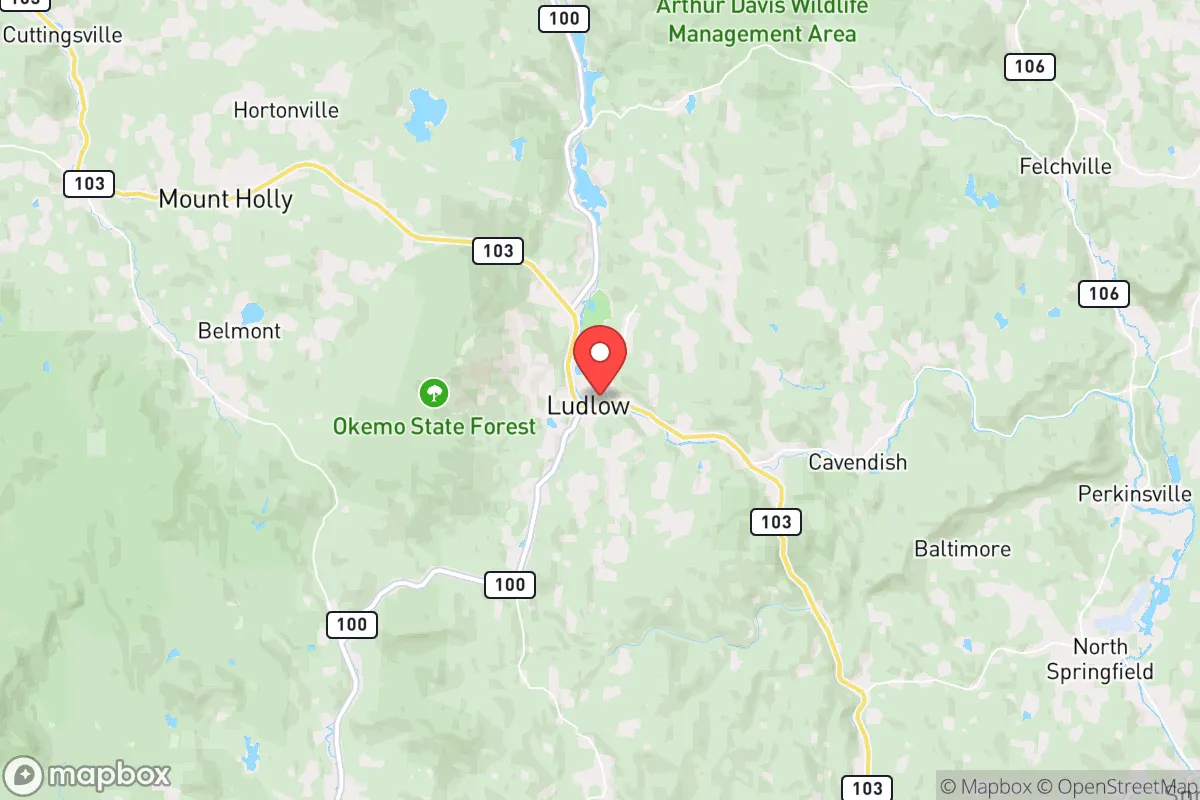
Personal Sovereignty in Ludlow, VT
Moderate friction. Expect trade-offs in some aspect of personal liberty and independence.
What does Personal Sovereignty tell us?
Personal Sovereignty measures your capacity for self-reliance and independence with minimal government friction. Higher scores mean fewer barriers between you and the way you want to live... but it assumes you have the space you need and good neighbors.
What does this tell us?
Personal Sovereignty measures your capacity for self-reliance and independence with minimal government friction. Higher scores mean fewer barriers between you and the way you want to live... but it assumes you have the space you need and good neighbors.
State Policy
Energy independence: Importer (15% of energy produced in-state)
Personal Liberty
Homesteading

Personal Liberty Analysis
Ludlow, Vermont, presents a complex picture for those prioritizing personal sovereignty. While the town itself retains a quiet, rural character that appeals to self-reliant individuals, it operates under the full weight of Vermont’s state-level governance, which leans heavily toward progressive regulation. For a survivalist or prepper mindset, the key takeaway is that Ludlow offers a strong foundation for physical seclusion and community resilience, but the state’s tax structure, gun laws, and regulatory environment require careful navigation to preserve autonomy. The balance here is between the tangible freedom of low-density living and the intangible constraints of state-level policy.
Tax burden and regulatory posture: what it costs to live free in Ludlow
Vermont’s tax burden is among the highest in the nation, and Ludlow residents feel it directly. The state imposes a progressive income tax with rates ranging from 3.35% to 8.75%, and property taxes are notably steep—averaging around 1.8% of assessed home value statewide, with Ludlow’s mill rate adding to that. This is a significant ongoing cost for anyone seeking to build wealth through land ownership. Sales tax is 6%, but importantly, groceries and prescription drugs are exempt, which helps with daily essentials. The regulatory posture is equally demanding: Vermont has strict land-use laws under Act 250, which can complicate even modest construction projects. For a prepper looking to build a bunker, install solar panels, or dig a well, expect permitting delays and environmental reviews. The state also mandates renewable energy standards and has a strong push for electric vehicles, which can feel like government overreach for those who prefer to operate off-grid. In short, Ludlow’s tax and regulatory climate is a headwind for personal sovereignty, requiring higher income or more careful financial planning to offset.
Self-defense and gun law specifics: navigating Vermont’s shifting landscape
Vermont has a historically strong tradition of gun rights, but recent legislative changes have eroded that foundation. As of 2024, the state requires universal background checks for all firearm sales, including private transactions, and has a "red flag" law (Extreme Risk Protection Order) that allows authorities to temporarily seize firearms from individuals deemed a risk. There is no permit required for concealed carry, and the state does not have a magazine capacity ban, which is a positive for self-defense. However, Vermont banned the sale of "assault weapons" and large-capacity magazines in 2024, though existing legally owned items are grandfathered. This is a major concern for preppers who value AR-15 platforms for their versatility and parts commonality. The state also prohibits carrying firearms in schools, courthouses, and certain public buildings. For a survivalist, the practical reality is that you can still own and carry handguns and hunting rifles freely, but the legal landscape is trending toward restriction. Ludlow’s rural setting means you’re unlikely to face daily scrutiny, but the state’s willingness to pass new restrictions means you must stay informed and politically active to protect your rights.
Self-reliance and homesteading viability: lot sizes, zoning, and off-grid feasibility
Ludlow’s rural character is a strong asset for self-reliance. The town is surrounded by forested hills and farmland, with many properties offering acreage. Minimum lot sizes in unzoned areas can be as small as one acre, but for true homesteading, 5-10 acre parcels are common and affordable relative to southern Vermont. Zoning is minimal outside the village core, but Act 250 still applies to any development that impacts more than 10 acres or involves subdivision. Off-grid living is legally feasible: you can install solar panels, dig a well, and use composting toilets, but you must comply with state wastewater and electrical codes. Vermont has net metering policies that allow you to sell excess power back to the grid, which is a plus for those who want grid-tied solar. However, the state’s push for renewable energy mandates can feel intrusive—for example, new construction may require solar-ready roofing. For a prepper, the key is to buy land with existing water rights and good southern exposure for solar. Ludlow’s climate is harsh (zone 4b), with long winters, so a wood stove or pellet boiler is almost essential for heating independence. The town’s proximity to the Okemo Mountain Resort also means some land is priced for vacation homes, so look for parcels away from the resort zone to keep costs down.
Personal liberties: parental rights, medical autonomy, speech, and property
On personal liberties, Vermont presents a mixed record. Parental rights are generally respected, but the state has mandatory vaccination requirements for school attendance (with medical and religious exemptions available). The state also has a strong child protective services system that can be proactive, which some parents view as overreach. Medical autonomy is a flashpoint: Vermont has legalized assisted suicide (Act 39) and has a robust public health system that pushed hard for COVID-19 mandates. Vermont was one of the first states to mandate COVID-19 vaccines for healthcare workers and school staff, and while those mandates have been relaxed, the precedent is concerning for medical freedom advocates. On speech, Vermont has no specific laws beyond federal protections, but the state’s political culture is overwhelmingly progressive, so expressing conservative or libertarian views in public forums can invite social friction. Property rights are relatively strong, but Act 250 and local zoning can limit what you can do with your land. For example, you cannot operate a home-based firearms business or a private shooting range without significant permitting. The state also has a strong "right to farm" law that protects agricultural activities, which is a plus for homesteaders. Overall, personal liberties in Ludlow are best exercised quietly and within the bounds of state law—open defiance is likely to attract unwanted attention.
In the broader context of the United States, Ludlow offers a moderate level of personal sovereignty for those willing to work within Vermont’s regulatory framework. Compared to states like New Hampshire or Texas, the tax burden and gun restrictions are significant drawbacks. However, compared to neighboring Massachusetts or New York, Ludlow is a haven of relative freedom. The town’s low population density, strong community ties, and access to land make it viable for a self-reliant lifestyle, but the state’s progressive governance means you must be proactive—join local boards, attend town meetings, and build relationships with like-minded neighbors. For a survivalist or prepper, Ludlow is not a retreat from government overreach, but a place where you can carve out a niche of autonomy if you’re willing to pay the price in taxes and navigate the rules. The real sovereignty here comes from the land itself—the ability to grow food, harvest timber, and live with space between you and the next person. That’s a foundation worth building on, but it’s not a complete escape.

* Values derived from national, state, county, city and local statistics and may differ in a specific area. Last updated: 2026-05-01T14:09:12.000Z
Narrative content on this page is AI-generated and may contain mistakes. Verify any details that matter before acting on them.
ReloMaps may earn a commission from affiliate links at no extra cost to you.

