Photo: Wikipedia
Strategic Assessment of Lorain, OH
Meaningful friction. Expect exposure to either population pressure, blast zones, or natural disaster risk. Consider buying a retreat property.
What does the Strategic Assessment tell us?
Our Strategic Assessment grades tactical survivability of an area. Major population centers, military targets, fallout zones, natural disasters, and border exposure all drive risk — lower exposure means a more defensible position in a crisis.
This is heavily inspired by Joel Skousen's Strategic Relocation book. Highly recommended you checkout the book ($)What does this tell us?
Our Strategic Assessment grades tactical survivability of an area. Major population centers, military targets, fallout zones, natural disasters, and border exposure all drive risk — lower exposure means a more defensible position in a crisis.
This is heavily inspired by Joel Skousen's Strategic Relocation book. Highly recommended you checkout the book ($)Strategic Pillars

Key Distances
Regional Safe Places
Below is our recommended "safe zones" in Ohio and the surrounding area based on our strategic heuristics. For most people, it's unrealistic to live in a “safe zone” full-time due to work, family or other personal reasons. They tend to be more rural. However, many of these areas are perfect for second homes and retreat properties that double as a vacation home or even a short-term rental.

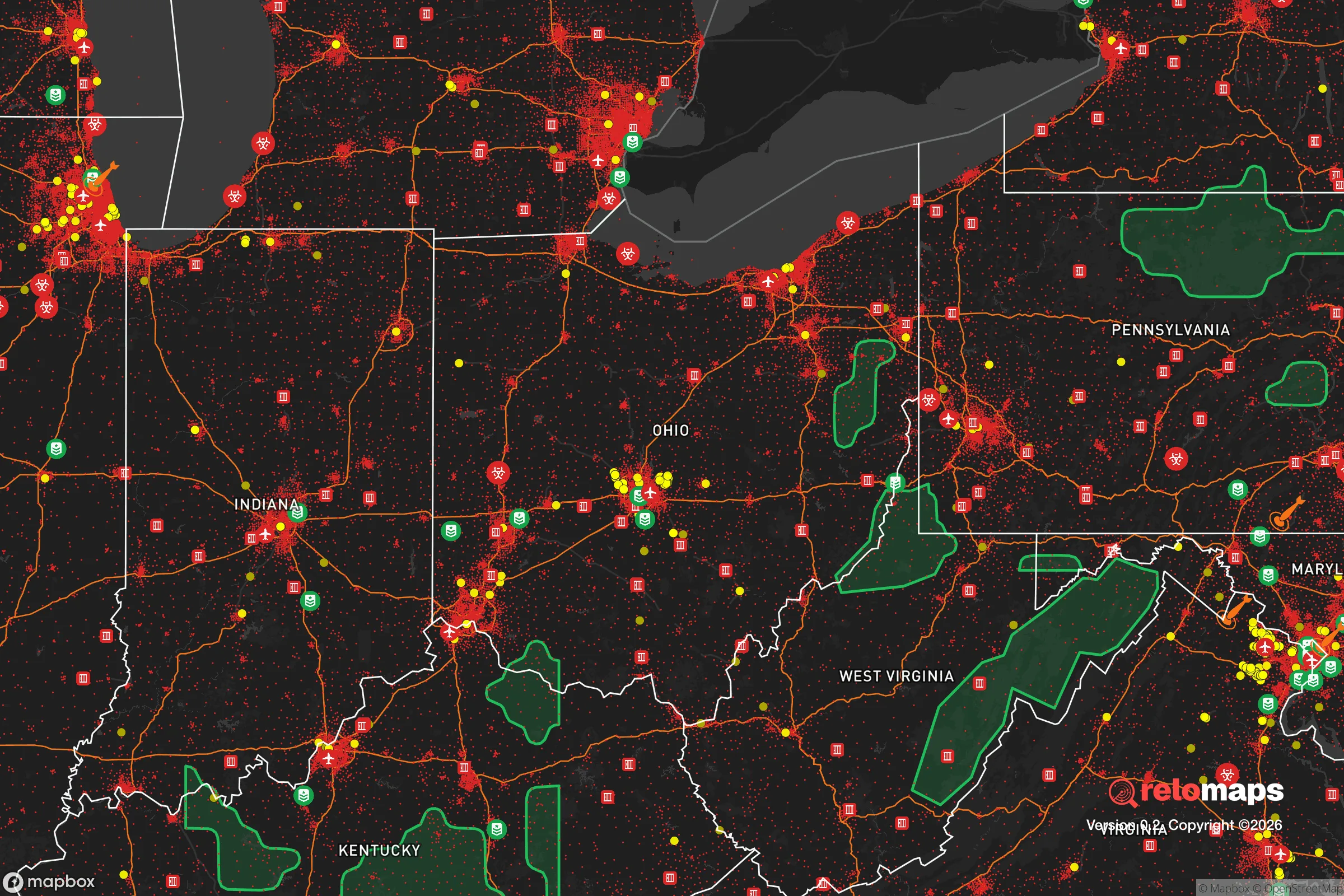


Important Note: For informational purposes only. This does not mean nothing bad ever happens in the green zones. Please use common sense. This is based on public data and modeled with AI. We tried to take a conservative approach but mistakes happen. We update this regularly as new information becomes available.
Solar Generator Recommendations
Backup power matters more here than in safer locations. We've picked three solar generators across budgets and capacity tiers — start with the budget unit if you only need a few essentials, or step up if you want to run a fridge and HVAC for days at a time.

Jackery Portable Power Station Explorer 300
Budget OptionPower on the Go: Weighing only 11 lbs, it's convenient to set up and store with book-sized foldable solar panels

BLUETTI Portable Power Station AC180
Designed for both indoor and outdoor scenarios, AC180 is highly capable as it has a robost capacity and continuous output power.

EF ECOFLOW DELTA Pro Ultra Power Station
Upgraded PickEcoFlow DELTA Pro Ultra is a whole-home energy system designed to grow with your family. Integrated with the Smart Home Panel 2, it scales to meet your evolving energy needs — keeping your home powered, intelligent, and secure through every stage of life.
We earn a commission, at no additional cost to you.
Strategic Assessment Analysis
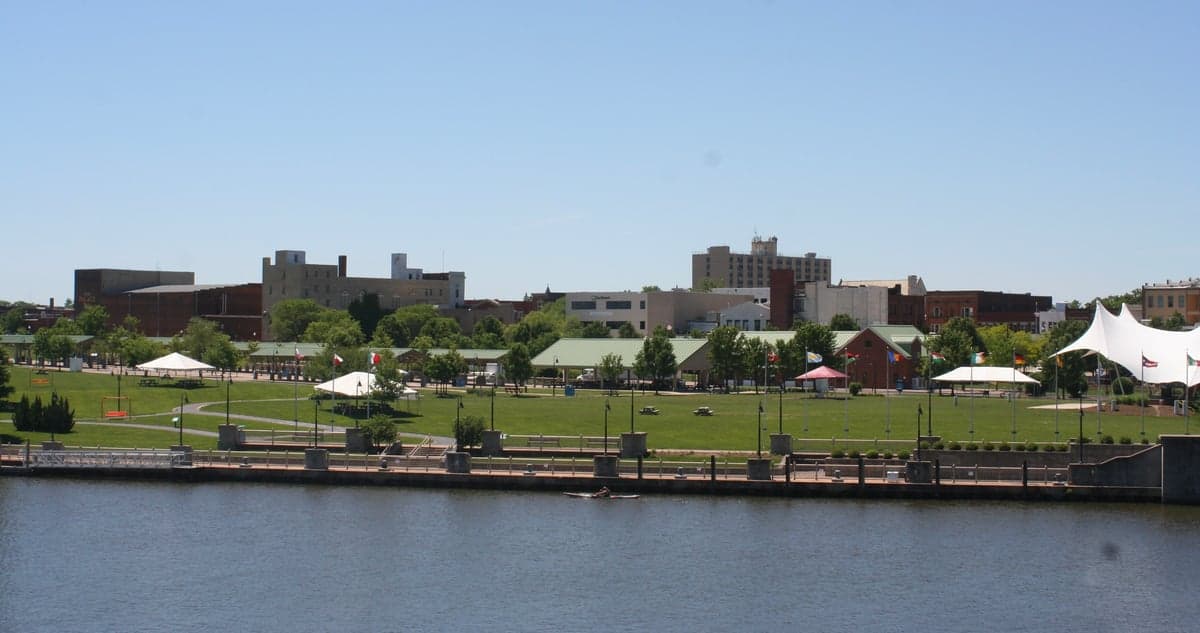
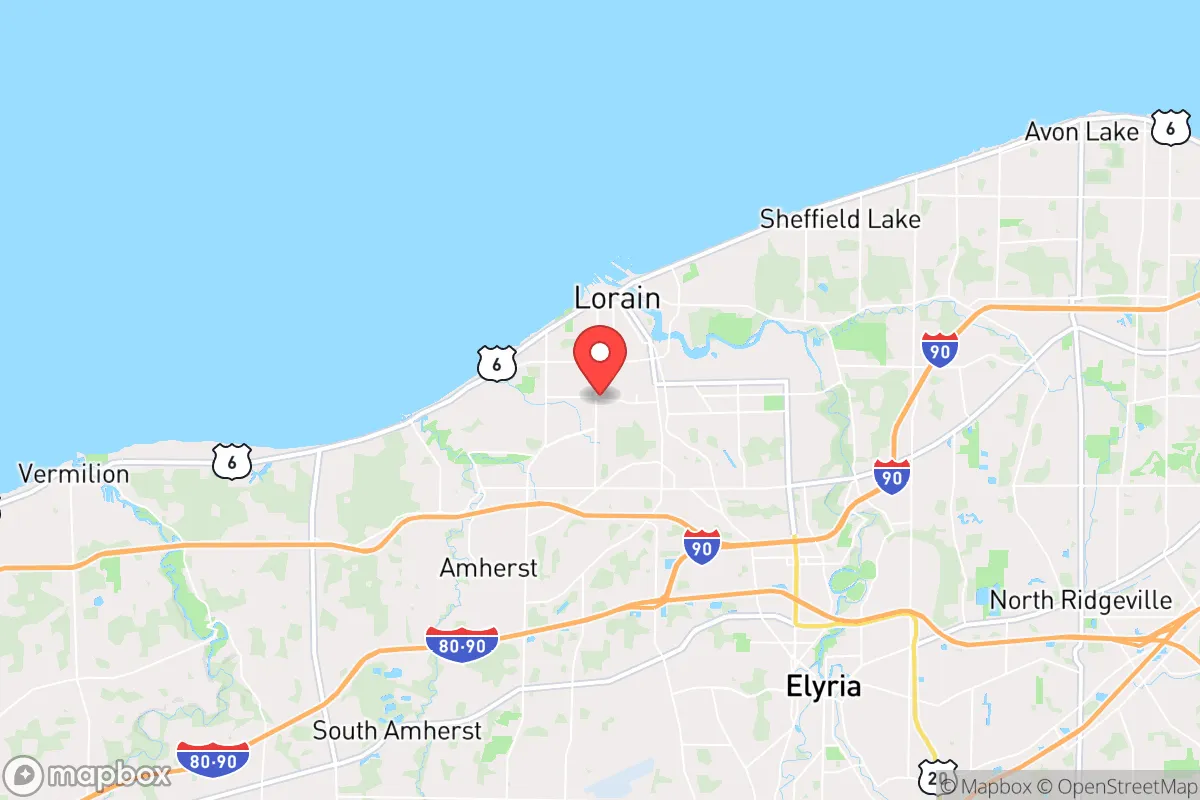
Lorain, Ohio, sits on the Lake Erie shore about 25 miles west of Cleveland, and its strategic value for a relocator with a prepper mindset is a mixed bag of genuine geographic advantages and serious proximity risks. The city’s industrial bones—once a steel and shipbuilding powerhouse—give it a gritty, self-reliant character, but its location in the Rust Belt means you’re trading some natural defensibility for access to fresh water and a relatively low cost of entry. For someone thinking about long-term resilience, Lorain offers a few hard assets, but you’ll need to weigh those against the fallout shadows cast by nearby urban and industrial targets.
Geographic position and natural advantages for long-term survival
Lorain’s single biggest strategic asset is its position on Lake Erie, one of the largest freshwater bodies on the planet. In a scenario where municipal water systems fail or become contaminated, having direct, unfiltered access to a massive, renewable water source is a non-negotiable advantage. The lake also moderates the local climate, giving Lorain slightly milder winters than inland Ohio towns, though you’ll still deal with serious lake-effect snow. The city sits at the mouth of the Black River, which provides a secondary water source and a natural corridor into the interior. The surrounding terrain is mostly flat to gently rolling, with pockets of farmland and wooded areas in Lorain County that could support small-scale food production. The region’s agricultural history means decent soil and a growing season long enough for staple crops like corn, beans, and squash. For a relocator, the ability to tap Lake Erie for drinking water, fishing, and transport is a major plus—few places in the Midwest offer that kind of hydrological security. The Great Lakes also act as a natural barrier to mass migration from the east, which could matter if coastal cities become uninhabitable or unstable.
Risks, exposures, and proximity to fallout-relevant landmarks
Here’s where the analysis gets sobering. Lorain is within 25 miles of Cleveland, a major population center with a dense urban core, multiple hospitals, a major port, and the Cleveland Hopkins International Airport—all potential targets for civil unrest, infrastructure collapse, or worse. In a mass casualty event or a coordinated attack, Cleveland’s size and symbolic value make it a high-probability target. Lorain’s proximity means you’d be in the blast or fallout shadow of any event targeting the city. The Davis-Besse Nuclear Power Station sits about 35 miles east of Lorain, near Port Clinton. While not immediately adjacent, a catastrophic failure there—whether from accident, sabotage, or attack—could put Lorain in a dangerous downwind plume, depending on prevailing westerly winds. The city also has its own industrial legacy: the former U.S. Steel plant and current Republic Steel facility are potential secondary targets or sources of hazardous material release during unrest. The Lorain Port Authority and the lakefront industrial corridor are choke points that could become contested during supply chain disruptions. On the plus side, Lorain is not a primary military or government target—no major bases, no command centers, no high-value political assets. But its location on a major highway (I-90) and rail lines means it could see heavy refugee traffic if Cleveland or Toledo collapses. Defensibility is moderate: the lake provides a natural boundary to the north, but the flat terrain offers little cover for a retreat or standoff position.
Practical resilience for a relocator: food, water, energy, and defensibility
For someone serious about self-sufficiency, Lorain has workable but not ideal conditions. Water is abundant—Lake Erie is right there, and the Black River runs through town. But you’ll need a reliable filtration or purification system, as lake water carries industrial runoff, algae blooms, and biological contaminants. The city’s municipal water treatment plant is a potential single point of failure; a grid-down scenario means you’re on your own. Food production is feasible: Lorain County has active farmland, and the city itself has vacant lots and older neighborhoods with space for gardens. The growing season runs roughly April to October, which is enough for a solid annual harvest. Local farmers’ markets and bulk food co-ops exist but are not robust; you’d want to establish direct relationships with growers or start your own operation. Energy resilience is a weak point. The region’s grid is aging and tied to the larger PJM Interconnection, which has shown vulnerability during extreme weather events. Solar potential is moderate—Lake Erie cloud cover reduces yield compared to the Southwest—but a ground-mounted system with battery storage could cover a household’s basic needs. Natural gas is widely available for heating, but that infrastructure is also vulnerable. Defensibility is Lorain’s biggest challenge. The city is laid out on a grid with limited natural chokepoints. The lake and river provide some perimeter, but the flat, open terrain makes it hard to secure a property against determined intruders. Rural areas west and south of Lorain, toward Vermilion or Wellington, offer better defensibility with more wooded cover and fewer neighbors. If you’re looking for a bug-in location, a well-fortified home on the outskirts with a well and solar is your best bet. If you’re planning to bug out, the lake provides a water escape route, but you’d need a boat and a plan for crossing into Canada or reaching the Upper Peninsula.
The overall strategic picture for Lorain is one of calculated trade-offs. You get a reliable freshwater source, affordable real estate, and a location that’s off the main target list for strategic strikes. But you’re also within the blast radius of Cleveland’s collapse, downwind of a nuclear plant, and sitting on flat, hard-to-defend ground. For a single individual or a small family with a prepper mindset, Lorain could work as a base if you’re willing to invest in water purification, off-grid energy, and a solid perimeter. It’s not a fortress, and it’s not a remote retreat. It’s a working-class Lake Erie town with real assets and real liabilities. If you’re looking for a place that balances access to resources with manageable risk, Lorain deserves a look—but only if you go in with eyes open and a plan for the worst-case scenarios that come with living near a major city and an industrial corridor.

* Values derived from national, state, county, city and local statistics and may differ in a specific area. Last updated: 2026-04-21T19:05:19.000Z
Narrative content on this page is AI-generated and may contain mistakes. Verify any details that matter before acting on them.
ReloMaps may earn a commission from affiliate links at no extra cost to you.

