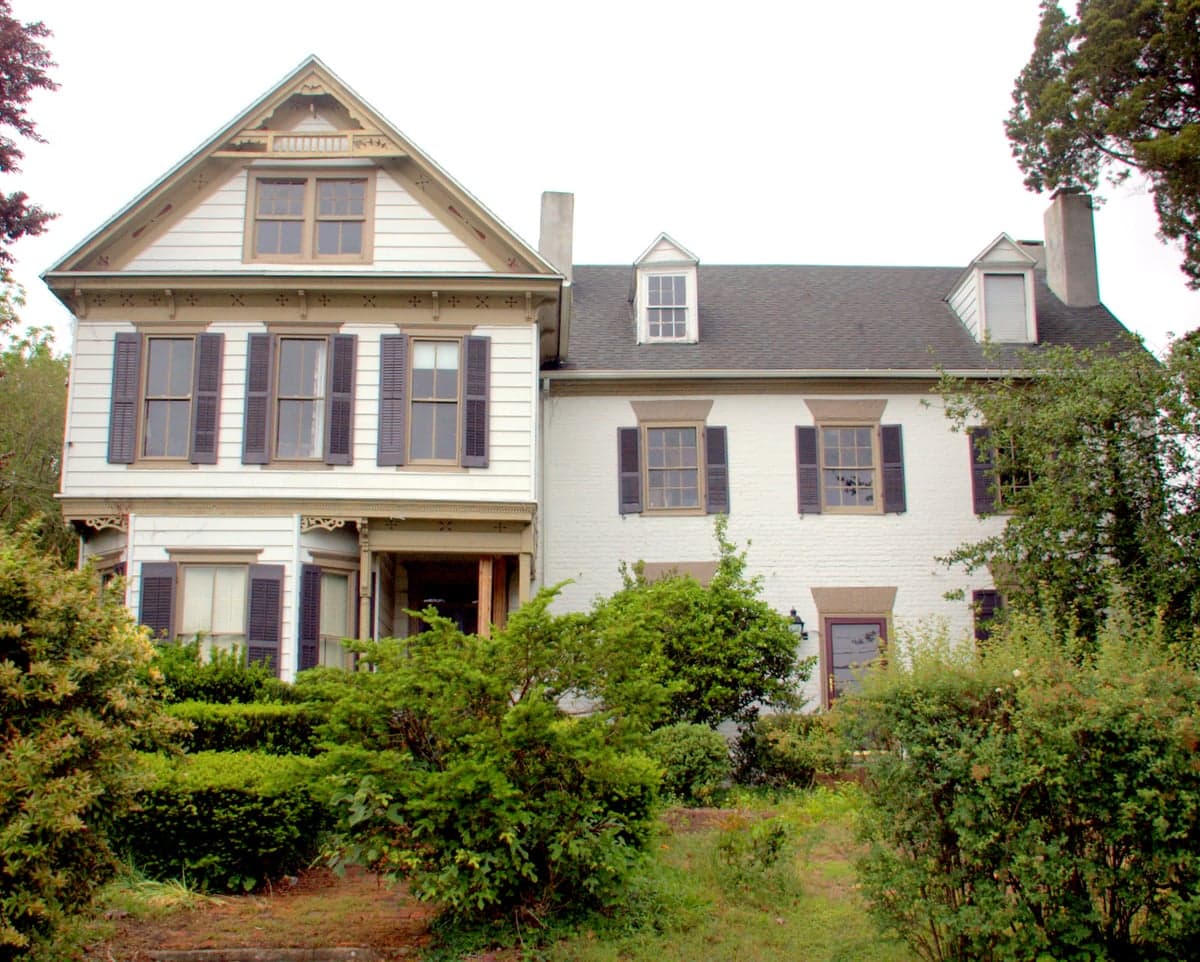
Photo: Wikipedia
Personal Sovereignty in Laurel, DE
Viable for self-reliance. Generally workable, though some barriers may limit total independence.
What does Personal Sovereignty tell us?
Personal Sovereignty measures your capacity for self-reliance and independence with minimal government friction. Higher scores mean fewer barriers between you and the way you want to live... but it assumes you have the space you need and good neighbors.
What does this tell us?
Personal Sovereignty measures your capacity for self-reliance and independence with minimal government friction. Higher scores mean fewer barriers between you and the way you want to live... but it assumes you have the space you need and good neighbors.
State Policy
Energy independence: Importer (2% of energy produced in-state)
Personal Liberty
Homesteading

Personal Liberty Analysis
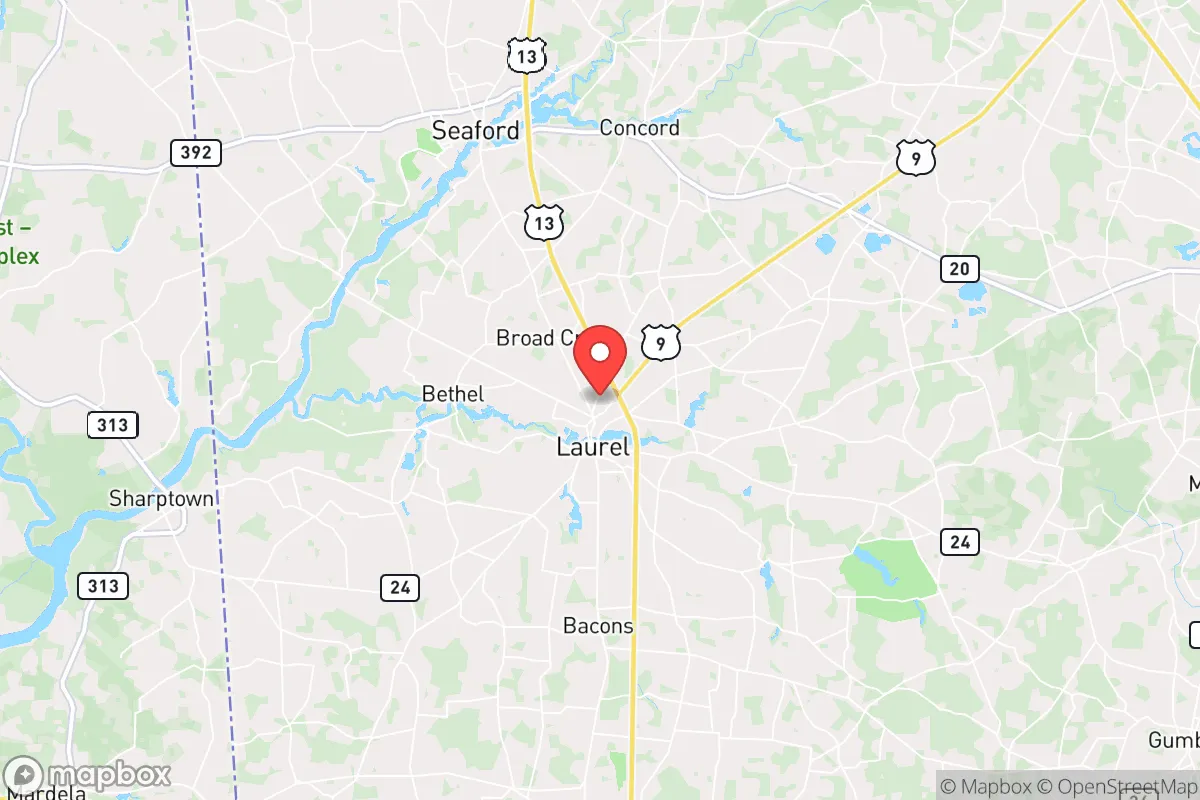
Laurel, Delaware, offers a notably higher degree of personal sovereignty than many Mid-Atlantic locales, largely because it sits in a state that still respects a degree of local control and individual autonomy, even as federal and state-level pressures mount. For those with a survivalist or prepper mindset, the key question isn't whether the government is overreaching—it's whether you can build a buffer against that overreach. In Laurel, the answer is a cautious "yes," provided you understand the specific legal and practical boundaries. The town's small size and rural character mean you're less likely to face the aggressive zoning, noise complaints, or neighborly scrutiny that can stifle self-reliance in denser suburbs, but you are still operating within a state that has a mixed record on personal freedoms.
Tax burden and regulatory posture: How Laurel compares to Delaware and the region
Delaware's overall tax burden is moderate, but the state's regulatory posture is where the real friction lies for those seeking maximum autonomy. Delaware has no state sales tax, which is a significant advantage for purchasing bulk supplies, gear, and equipment without an extra 6-8% hit. However, property taxes in Sussex County, where Laurel sits, are among the lowest in the state—typically 0.5% to 0.7% of assessed value—which means the government takes a smaller slice of your land and improvements each year. The state income tax is progressive, topping out at 6.6%, which is manageable but not negligible. The real concern for a prepper is the regulatory environment: Delaware has a reputation for business-friendly incorporation laws, but that doesn't extend to individual property rights. The state's Department of Natural Resources and Environmental Control (DNREC) has broad authority over land use, wetlands, and water rights, which can complicate anything from digging a pond to building a detached structure. In Laurel itself, the town's zoning code is relatively permissive for a municipality of its size, but you'll still need permits for major construction. The key takeaway: the tax burden is low enough to allow capital accumulation, but the regulatory overhead is higher than in, say, rural West Virginia or parts of the Eastern Shore of Maryland. You can work around it, but you can't ignore it.
Self-defense and gun law specifics: What Laurel residents can and cannot do
Delaware is a shall-issue state for concealed carry, meaning that if you meet the requirements—including a background check, fingerprinting, and a training course—the state must issue a permit. This is a solid foundation for personal defense, but the landscape has shifted. In 2022, Delaware passed a law banning the manufacture, sale, and possession of "assault weapons" (defined by a feature-based test) and large-capacity magazines (over 17 rounds). This law is currently being challenged in court, but as of 2026, it remains in effect. For a prepper, this is a direct infringement on the ability to own the most effective tools for self-defense and community defense. Laurel itself is in Sussex County, which is generally more gun-friendly than New Castle County, and local law enforcement tends to be less aggressive in enforcing these restrictions, but the legal risk is real. Open carry is legal without a permit, which is a practical workaround for those who don't want to be caught in a permitting trap. Stand-your-ground laws exist in Delaware, but they are not as robust as in states like Florida or Texas; you have a duty to retreat if you can do so safely before using deadly force. For those serious about self-reliance, the best strategy is to own what you can legally, store what you can't in a trust or out of state, and stay informed on the legal challenges to the 2022 restrictions. The bottom line: you can defend yourself, but the state is actively narrowing your options.
Self-reliance and homesteading viability: Lot sizes, zoning, and off-grid feasibility in Laurel
Laurel's rural character is its strongest asset for homesteading and self-reliance. Within the town limits, lot sizes vary, but you can find parcels of half an acre to several acres, which is enough for a substantial garden, a few chickens, and even a small orchard. The town's zoning code allows for "agricultural uses" on residential lots, but you'll need to check the specific district—some areas are more restrictive than others. Outside the town limits, in the unincorporated areas of Sussex County, the rules are looser. You can keep livestock, including goats and pigs, on parcels as small as one acre, and there are no county-wide bans on beekeeping or rainwater collection. Off-grid feasibility is mixed: Delaware has no state-level restrictions on solar panels, and net metering is available, but the grid is reliable enough that going fully off-grid is more a philosophical choice than a necessity. Well water is common in the area, and septic systems are standard, which means you can truly disconnect from municipal utilities if you choose. The biggest hurdle is the DNREC's wetland regulations—much of Sussex County is low-lying and flood-prone, so you'll need a percolation test and possibly a wetland delineation before building. For a prepper, the ideal scenario is to buy a few acres just outside Laurel, drill a well, install solar, and build a pole barn for storage. The town itself is a good resupply point, but the real autonomy lies in the surrounding countryside.
Personal liberties: Parental rights, medical autonomy, speech, and property rights in practice
Parental rights in Delaware are under pressure. The state has a mandatory vaccination schedule for school attendance, with only medical exemptions recognized—no religious or philosophical exemptions. This is a significant concern for parents who want to make independent medical decisions for their children. Homeschooling is legal and relatively straightforward: you must file a notice of intent and provide a curriculum, but there is no standardized testing requirement or home visit. This makes Laurel a viable option for families who want to opt out of the public school system entirely. Medical autonomy for adults is mixed: Delaware has no state-level restrictions on the purchase of raw milk (though it's regulated), and you can buy most over-the-counter supplements without issue. However, the state has a prescription drug monitoring program and a relatively active public health apparatus. Free speech is protected under the First Amendment, but Delaware has a "hate crime" enhancement law that can be applied to speech that incites violence or harassment—this is standard across most states, but it's worth noting that local authorities in Sussex County are generally less inclined to enforce these laws aggressively than in more urban areas. Property rights are the strongest pillar: eminent domain is rarely used for private development, and the state's "right to farm" law protects agricultural operations from nuisance lawsuits. For a prepper, this means you can build a bunker, store supplies, and live your life without constant government interference, as long as you stay within the bounds of the building code and zoning laws. The biggest threat to personal liberty in Laurel is not the town itself, but the state-level creep of mandates and restrictions that could tighten in the future.
Overall, Laurel offers a relatively high degree of personal sovereignty compared to most of the Northeast and Mid-Atlantic, but it is not a libertarian paradise. The tax burden is low, the gun laws are under assault but still functional for those who plan ahead, and the homesteading potential is real if you choose your land carefully. The state's regulatory apparatus—especially DNREC and the health department—is the main obstacle, but it is manageable with proper legal counsel and a willingness to work within the system. For a single individual or family with a survivalist mindset, Laurel is a strategic choice: close enough to the coast and major highways for resupply and trade, but rural enough to maintain a low profile and a high degree of self-reliance. The key is to buy land outside the town limits, stay informed on state-level legal changes, and build your autonomy incrementally. Compared to areas like northern Virginia or central Maryland, Laurel is a breath of fresh air—but compared to rural Texas or Idaho, it's still a compromise. For those who can't or won't move to a red state, Laurel is one of the better options in the region.

* Values derived from national, state, county, city and local statistics and may differ in a specific area. Last updated: 2026-04-29T22:48:57.000Z
Narrative content on this page is AI-generated and may contain mistakes. Verify any details that matter before acting on them.
ReloMaps may earn a commission from affiliate links at no extra cost to you.

