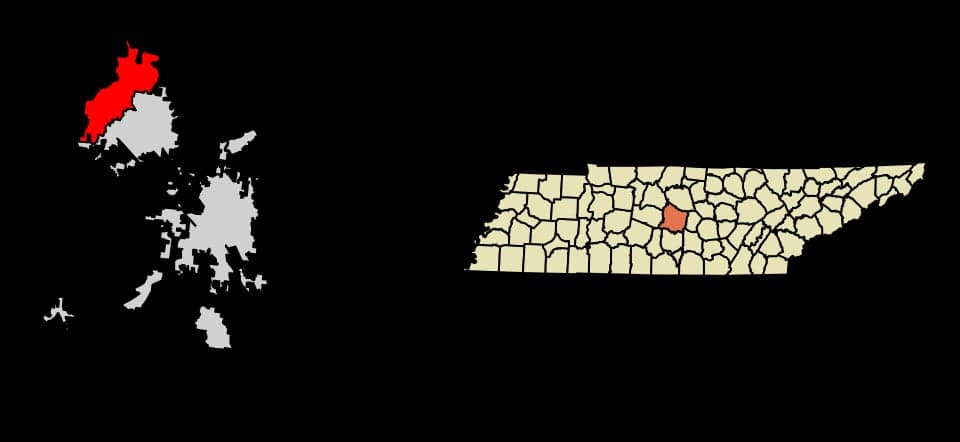
Photo: Wikipedia
Strategic Assessment of La Vergne, TN
Multiple tactical vulnerabilities. Population density, target proximity, or disaster risk are likely compounding. A retreat property and exit planning is required.
What does the Strategic Assessment tell us?
Our Strategic Assessment grades tactical survivability of an area. Major population centers, military targets, fallout zones, natural disasters, and border exposure all drive risk — lower exposure means a more defensible position in a crisis.
This is heavily inspired by Joel Skousen's Strategic Relocation book. Highly recommended you checkout the book ($)What does this tell us?
Our Strategic Assessment grades tactical survivability of an area. Major population centers, military targets, fallout zones, natural disasters, and border exposure all drive risk — lower exposure means a more defensible position in a crisis.
This is heavily inspired by Joel Skousen's Strategic Relocation book. Highly recommended you checkout the book ($)Strategic Pillars

Key Distances
Regional Safe Places
Below is our recommended "safe zones" in Tennessee and the surrounding area based on our strategic heuristics. For most people, it's unrealistic to live in a “safe zone” full-time due to work, family or other personal reasons. They tend to be more rural. However, many of these areas are perfect for second homes and retreat properties that double as a vacation home or even a short-term rental.
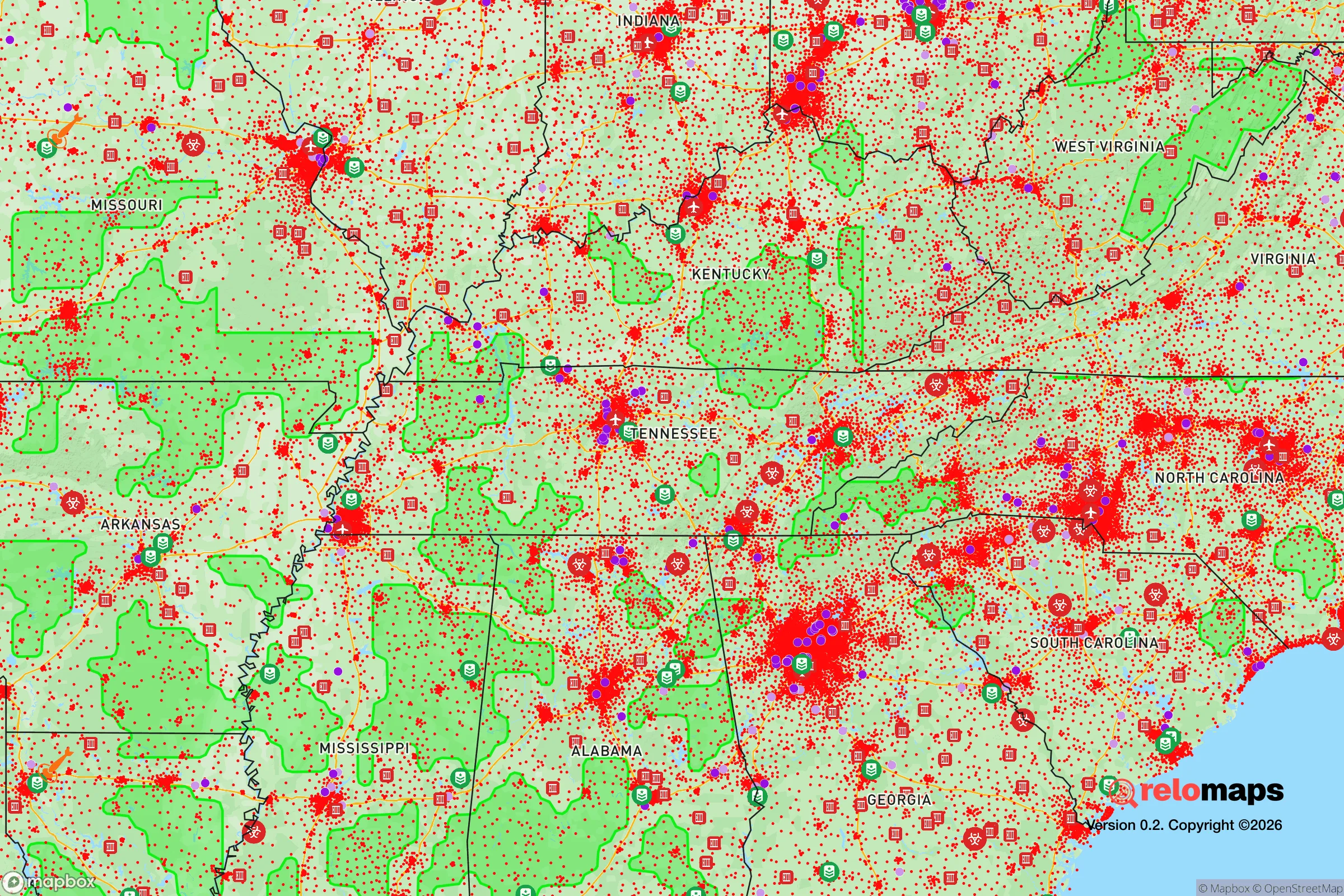
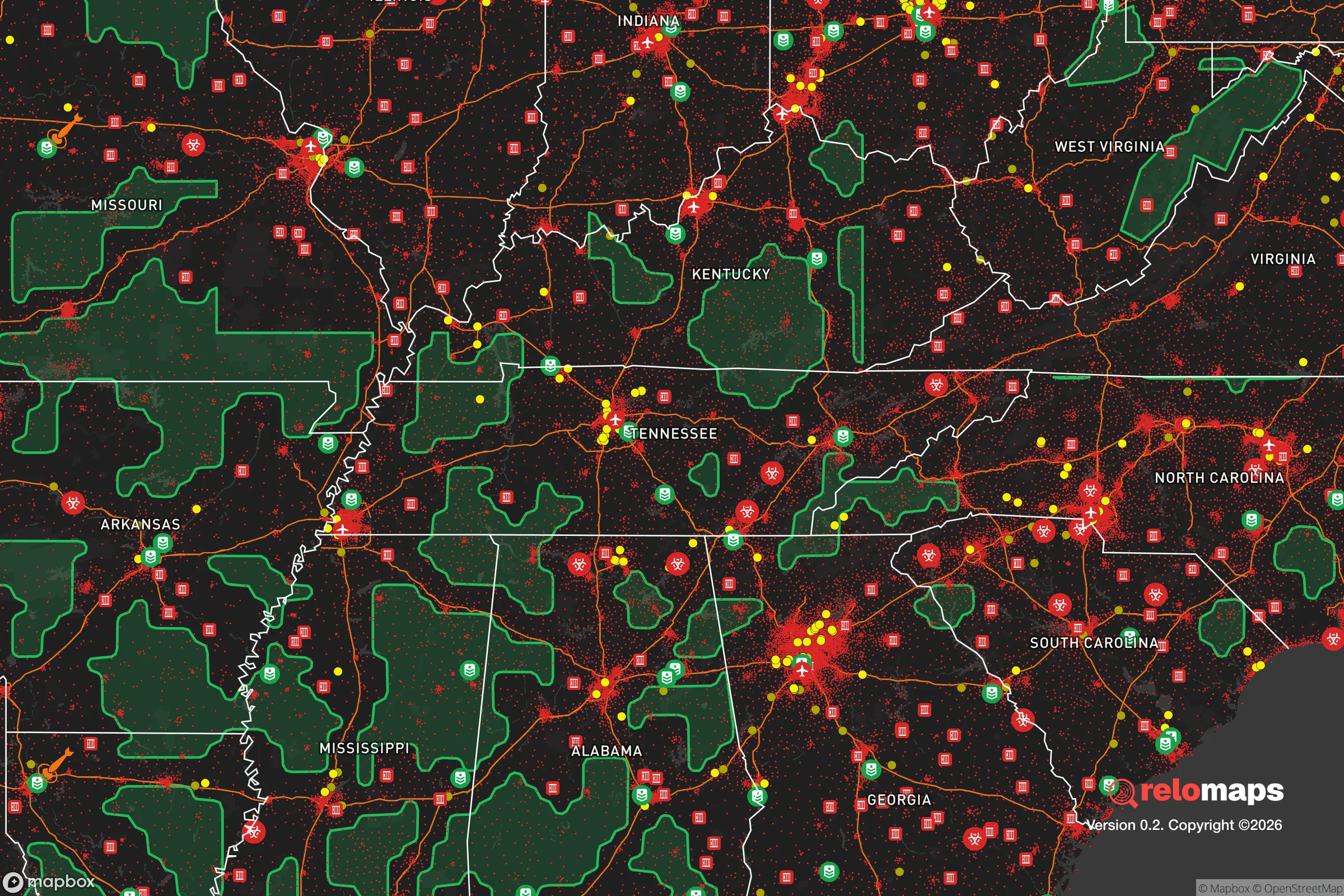


Important Note: For informational purposes only. This does not mean nothing bad ever happens in the green zones. Please use common sense. This is based on public data and modeled with AI. We tried to take a conservative approach but mistakes happen. We update this regularly as new information becomes available.
Solar Generator Recommendations
Backup power matters more here than in safer locations. We've picked three solar generators across budgets and capacity tiers — start with the budget unit if you only need a few essentials, or step up if you want to run a fridge and HVAC for days at a time.

Jackery Portable Power Station Explorer 300
Budget OptionPower on the Go: Weighing only 11 lbs, it's convenient to set up and store with book-sized foldable solar panels

BLUETTI Portable Power Station AC180
Designed for both indoor and outdoor scenarios, AC180 is highly capable as it has a robost capacity and continuous output power.

EF ECOFLOW DELTA Pro Ultra Power Station
Upgraded PickEcoFlow DELTA Pro Ultra is a whole-home energy system designed to grow with your family. Integrated with the Smart Home Panel 2, it scales to meet your evolving energy needs — keeping your home powered, intelligent, and secure through every stage of life.
We earn a commission, at no additional cost to you.
Strategic Assessment Analysis
La Vergne, Tennessee, sits in a precarious strategic position that demands serious consideration for anyone prioritizing long-term resilience. While its location within Rutherford County offers some buffer from the immediate chaos of Nashville, the city’s proximity to major interstates, a growing population, and critical infrastructure creates a mixed bag of advantages and liabilities. For a relocator with a survivalist mindset, the key question is whether La Vergne’s practical benefits—affordable land, decent water access, and a relatively low-crime core—outweigh the risks of being within the blast radius of a major metropolitan target. The answer is nuanced: La Vergne is a viable staging ground, not a final redoubt, and its value depends entirely on how well you can leverage its strengths while mitigating its exposure.
Geographic position and natural advantages for long-term security
La Vergne’s geographic position is a double-edged sword, but the natural advantages are real. The city sits on the eastern edge of the Nashville Basin, with the Cumberland River flowing roughly 10 miles to the west. This river is a reliable water source for filtration and transport, though it’s also a potential contamination vector if upstream infrastructure fails. The surrounding terrain is gently rolling, with patches of hardwood forest that offer limited cover but decent hunting for deer and small game. The area’s karst topography—limestone bedrock with caves and sinkholes—provides natural shelter options if you know where to look. The climate is temperate, with four distinct seasons, meaning you can grow food from April through October without extreme heat or cold. Annual rainfall averages about 50 inches, which is enough for rain catchment systems, though summer droughts can stress shallow wells. The soil in the floodplains near the river is rich loam, ideal for gardening, but the upland areas are clay-heavy and require amendment. For a relocator, the natural advantages are modest but real: water access, moderate climate, and some defensible terrain if you choose a property with a creek or spring.
Risks, exposures, and proximity to fallout-relevant landmarks
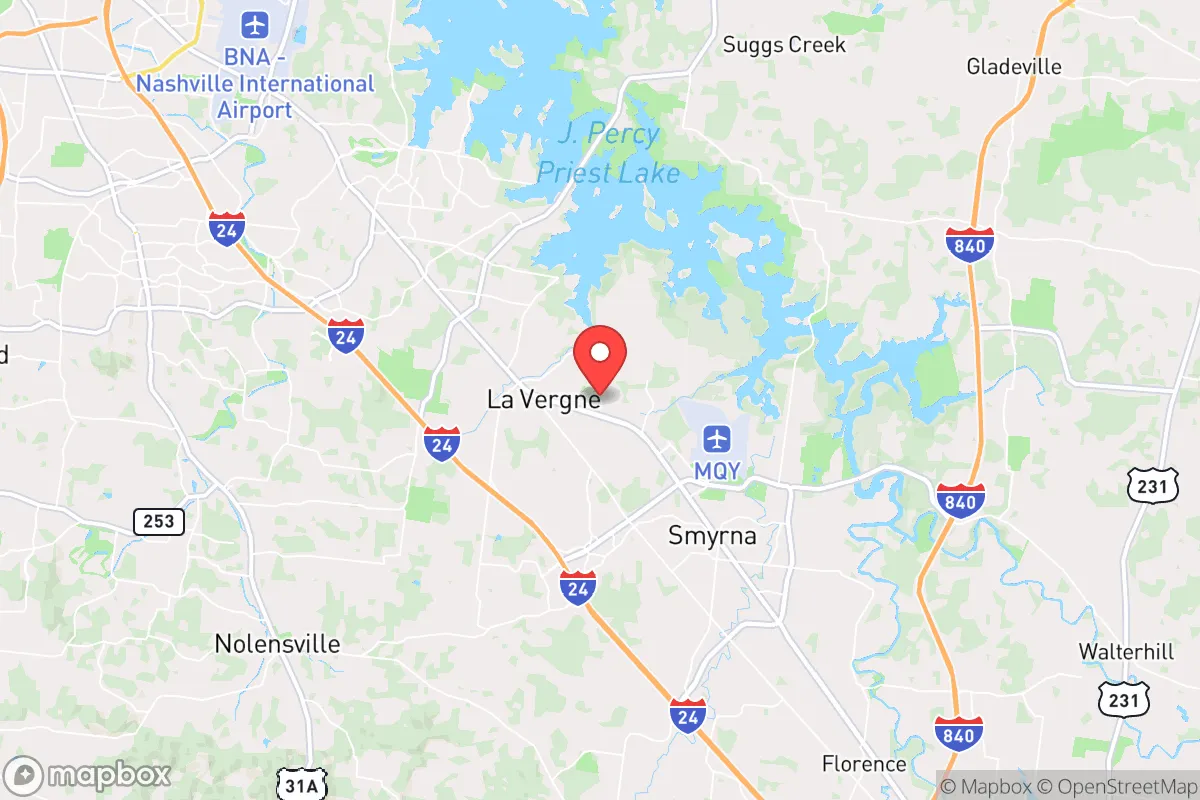
The biggest strategic liability for La Vergne is its proximity to Nashville, roughly 20 miles north. In a major event—whether a nuclear detonation, EMP strike, or large-scale civil unrest—Nashville is a high-value target due to its concentration of government, healthcare, and transportation infrastructure. The city’s airport (BNA), the Tennessee State Capitol, and the Vanderbilt University Medical Center are all within a 30-mile radius. A ground burst at any of these would produce fallout that could reach La Vergne within hours, depending on wind direction. The nearby Percy Priest Dam, about 15 miles northwest, is another critical vulnerability; a breach would flood large portions of the Cumberland River valley, including parts of La Vergne’s low-lying areas. Interstate 24 and 40 run close to the city, making it a natural chokepoint for refugee flow during an evacuation. In a grid-down scenario, La Vergne’s population of roughly 40,000 could swell with displaced Nashvillians, straining local resources. The city’s industrial base—including a major Amazon fulfillment center and several automotive parts plants—would become targets for looting or occupation. The risk profile is moderate to high, and anyone serious about resilience should have a bug-out plan for moving further east or south into more rural parts of Rutherford or Coffee County.
Practical resilience for a relocator: food, water, energy, and defensibility
For a relocator willing to invest in infrastructure, La Vergne offers a few practical advantages. The city’s water supply comes from the Cumberland River via the Nashville Water System, which is vulnerable to contamination and disruption. A well on your property is essential—drilling depths in the area range from 100 to 300 feet, with yields averaging 10-20 gallons per minute. Rainwater catchment is viable, but you’ll need a large cistern (1,000+ gallons) to get through dry spells. The electrical grid is typical of the region: above-ground lines that are prone to ice storms and wind damage. Solar panels with battery storage are a smart investment, as the area gets about 200 sunny days per year. Natural gas is available in most subdivisions, but a backup propane tank for cooking and heating is more reliable. Food production is feasible on a half-acre or more—chickens, rabbits, and a vegetable garden can supplement supplies. The local soil is workable but requires raised beds or heavy mulching to manage clay. Defensibility is the weak point: most homes are in subdivisions with open layouts and limited sightlines. A rural property on the eastern edge of the city, near the Stones River, offers better cover and escape routes. The local gun culture is strong—Rutherford County has a high rate of firearm ownership and a sheriff’s office that is generally supportive of Second Amendment rights. For a single individual or family, the key is to secure a property with a well, solar capacity, and a defensible perimeter, then build relationships with neighbors who share your mindset.
The overall strategic picture for La Vergne is one of calculated risk. It is not a survivalist paradise—the proximity to Nashville, the industrial targets, and the potential for refugee influx make it a location that requires constant vigilance and a solid contingency plan. However, for someone who cannot afford rural land in more remote areas like the Cumberland Plateau or the Smoky Mountains, La Vergne offers a reasonable compromise: affordable housing, decent water access, and a community that is not openly hostile to preparedness. The key is to treat it as a base of operations, not a final destination. Stockpile supplies, harden your home, and have a bug-out route mapped to the east or south. If you can do that, La Vergne can work as a strategic foothold in Middle Tennessee—but only if you are willing to put in the work to offset its vulnerabilities.

* Values derived from national, state, county, city and local statistics and may differ in a specific area. Last updated: 2026-04-23T02:16:07.000Z
Narrative content on this page is AI-generated and may contain mistakes. Verify any details that matter before acting on them.
ReloMaps may earn a commission from affiliate links at no extra cost to you.

