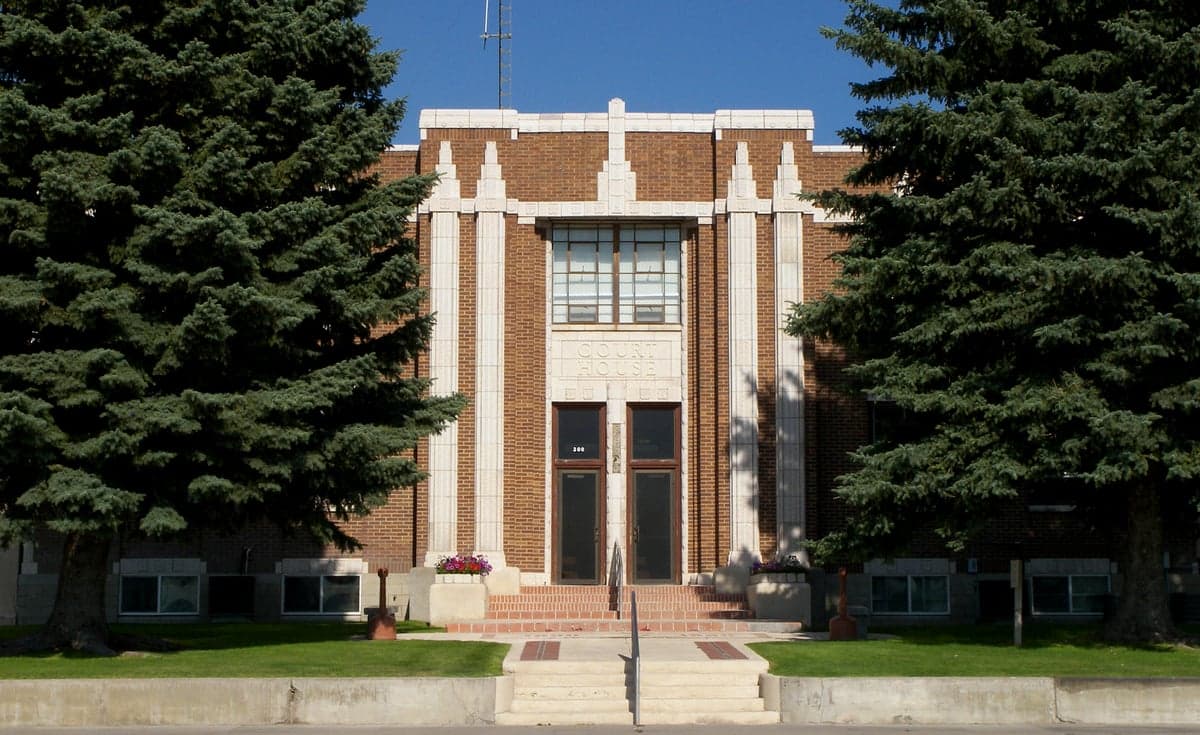
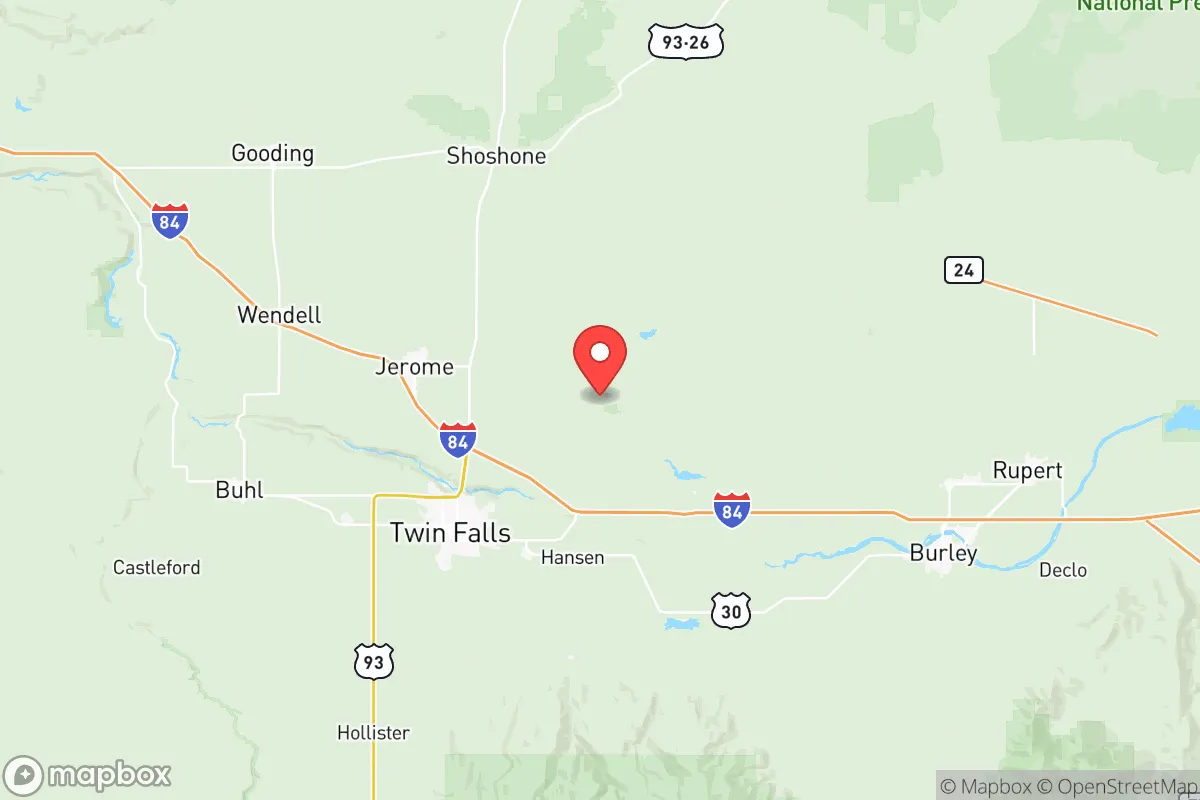
Photo: Wikipedia
Quality of Life in Jerome County
A livable area that tracks near national norms for affordability, walkability, and neighborhood health.
What does Quality of Life tell us?
Quality of Life measures an area by evaluating factors like cost of living, nearby amenities, country club access, airport proximity, socioeconomic signals and neighborhood character. For large states, this is a general average — quality of life can vary dramatically between metro areas, suburbs, and rural communities within the same state.
What does this tell us?
Quality of Life measures an area by evaluating factors like cost of living, nearby amenities, country club access, airport proximity, socioeconomic signals and neighborhood character. For large states, this is a general average — quality of life can vary dramatically between metro areas, suburbs, and rural communities within the same state.
Cost of Living
19% below national average
96%
The Real Cost of Living in Jerome County for 2026
| Tier | Individual | Family (4) |
|---|---|---|
| Survival | $14k | $26k |
| Comfortable | $49k | $73k |
| Luxury | $117k+ | $181k+ |
| Elite (Top 5%) | $137k+ | $213k+ |
Quality-of-Life Analysis
Jerome County, Idaho, offers a quality-of-life spectrum that spans from the modest urban conveniences of its county seat to the quiet, wide-open spaces of its agricultural hinterlands, attracting a mix of commuters, farm families, and small-business owners. The county’s overall cost of living index sits at 81 (well below the U.S. average of 100), with a median home value of $254,000 and median rent of $862, making it one of the more affordable areas in the Magic Valley region. Residents enjoy an average commute of just under 21 minutes, a figure that reflects the county’s compact geography and the ease of moving between its towns and farms.
Largest town(s) & population centers
Jerome, the county seat and largest city (population roughly 12,000), is the commercial and administrative hub. Daily life here centers on a walkable downtown with local eateries, the county courthouse, and a growing retail corridor along State Highway 93. The city provides essential amenities such as a hospital (St. Luke’s Jerome), a public library, and multiple grocery stores. Housing in Jerome is relatively affordable, with many single-family homes under $300,000, though newer subdivisions on the town’s east side push toward the county median. The town draws families and professionals who work in Twin Falls (15 minutes east) or at the large food-processing plants (e.g., Lamb Weston and McCain Foods) located within Jerome city limits. For recreation, residents use the Jerome City Park and the nearby Jerome County Fairgrounds, which hosts the annual county fair and rodeo.
Smaller towns & rural pockets
Beyond Jerome, the county contains several unincorporated communities and crossroads that define its rural character. Eden (population ~400) sits in the south-central part of the county, a farming hamlet with a grain elevator, a small park, and a handful of homes on large lots. Hazelton (population ~800) lies to the east, offering a post office, a gas station, and a strong sense of community centered on the Hazelton Elementary School and the LDS church. Further north, Hunt is a tiny unincorporated area near the Minidoka National Wildlife Refuge, popular with hunters and birdwatchers. The western portion of the county, along the Snake River, is dominated by irrigated farmland and scattered farmsteads, with no incorporated towns. These rural pockets appeal to those seeking privacy, acreage, and a slower pace, though they lack retail and dining options, requiring a drive to Jerome or Twin Falls for most errands.
Cost & lifestyle range
The cost and lifestyle spread across Jerome County is notable. At the higher end, newer subdivisions in Jerome’s east side (near the high school and the golf course) feature homes priced from $350,000 to $450,000, with shorter commutes and access to city water and sewer. At the lower end, older homes in central Jerome (near the railroad tracks) or manufactured homes in Eden can be found for under $200,000, though these may require more maintenance and offer fewer amenities. Renters pay a median of $862, with apartments in Jerome commanding $800–$1,000 for a two-bedroom, while rural rentals (often older farmhouses or mobile homes) can be found for $600–$750. Lifestyle differences are stark: Jerome residents enjoy sidewalks, streetlights, and a library, while those in Hazelton or Hunt rely on well water, septic systems, and gravel roads. Property taxes are low across the county (roughly 0.6% of assessed value), but rural properties may face higher costs for propane heating and private road maintenance.
Jerome County best suits people who value affordability, short commutes, and a connection to agriculture, whether as a farmer, a factory worker, or a remote professional seeking space. Families with school-age children will find adequate public schools (Jerome School District #261) and safe neighborhoods, while retirees may prefer the quiet of Eden or Hazelton over the busier Jerome. Those seeking nightlife, cultural venues, or high-end shopping will likely look to Twin Falls or Boise, but for a balanced, low-cost life rooted in Idaho’s Magic Valley, Jerome County delivers a genuine range of options.

Crime in Jerome County
Lower crime rates than 76% of comparable U.S. locations.
Violent CrimeViolent Crime Analysis
Property CrimeProperty Crime Analysis
Crime Analysis
Jerome County, Idaho, presents a mixed safety picture that is heavily influenced by its location along the I-84 corridor. The county's overall violent crime rate of 215.5 per 100,000 residents is notably higher than the Idaho state average, while its property crime rate of 601.6 per 100,000 sits slightly below the national median. The most significant safety concerns are concentrated in the city of Jerome itself, while smaller communities like Hazelton and Eden generally report fewer incidents.
Crime in context
Jerome County's violent crime rate of 215.5 per 100,000 is roughly 15% higher than the Idaho state average of approximately 187 per 100,000, but remains well below the national rate of about 380 per 100,000. Property crime in the county, at 601.6 per 100,000, is lower than the national average of roughly 1,950 per 100,000 but slightly above the Idaho state average of around 580 per 100,000. The county's location on the I-84 corridor, a major drug and human trafficking route between the Pacific Northwest and the Mountain West, contributes to these elevated figures. The Jerome County Sheriff's Office and the Jerome Police Department work in tandem, but resource constraints in a rural county can limit proactive patrols. The 5th Judicial District, which covers Jerome County, has not adopted the progressive prosecutorial policies seen in some larger urban areas, meaning offenders generally face more traditional sentencing, which can be a positive for residents concerned about recidivism.
What residents experience
The lived experience of safety in Jerome County varies sharply by location. The city of Jerome, the county seat and largest population center, sees the bulk of reported crime, including drug-related offenses, thefts from vehicles, and occasional aggravated assaults. Residents of Jerome should take standard urban precautions: locking vehicles, securing property, and avoiding isolated areas at night. In contrast, the smaller agricultural communities of Hazelton and Eden experience far fewer incidents, with crime largely limited to minor thefts and domestic disputes. The unincorporated areas around Hunt and Ridgeway are even quieter, though the lack of a dense police presence means response times can be longer. Property crime, especially theft of farm equipment and tools, is a persistent concern for rural residents, who often rely on neighborhood watch networks and private security measures. The county's proximity to the larger, more progressive Twin Falls area (which has a higher crime rate and a district attorney with a reputation for lighter sentencing) means some criminal activity spills over from that jurisdiction, particularly along the Highway 93 corridor.
Neighborhood-level variation and key considerations
Within the city of Jerome, the area around the downtown core and the industrial zones near the railroad tracks tend to have higher incident reports for both property and violent crime. Newer subdivisions on the city's west side, closer to the Snake River, generally see lower crime rates. For those considering a move to Jerome County, the safest choices are typically the smaller towns of Hazelton and Eden, or the rural areas outside the city limits. However, the trade-off is reduced access to services and longer emergency response times. The county's judicial system, operating under the 5th District, has not embraced the progressive reforms seen in places like Ada County (Boise) or Blaine County (Ketchum), which is a significant positive for residents who prioritize public safety and victim's rights. This traditional approach means that convicted offenders are more likely to serve meaningful sentences, reducing the immediate risk of repeat offenses in the community. Overall, Jerome County is a place where safety is manageable with awareness, but the city of Jerome itself requires more vigilance than its smaller neighbors.
* Values derived from national, state, county, city and local statistics and may differ in a specific area. Last updated: 2026-05-12T15:22:45.000Z
Narrative content on this page is AI-generated and may contain mistakes. Verify any details that matter before acting on them.
ReloMaps may earn a commission from affiliate links at no extra cost to you.

