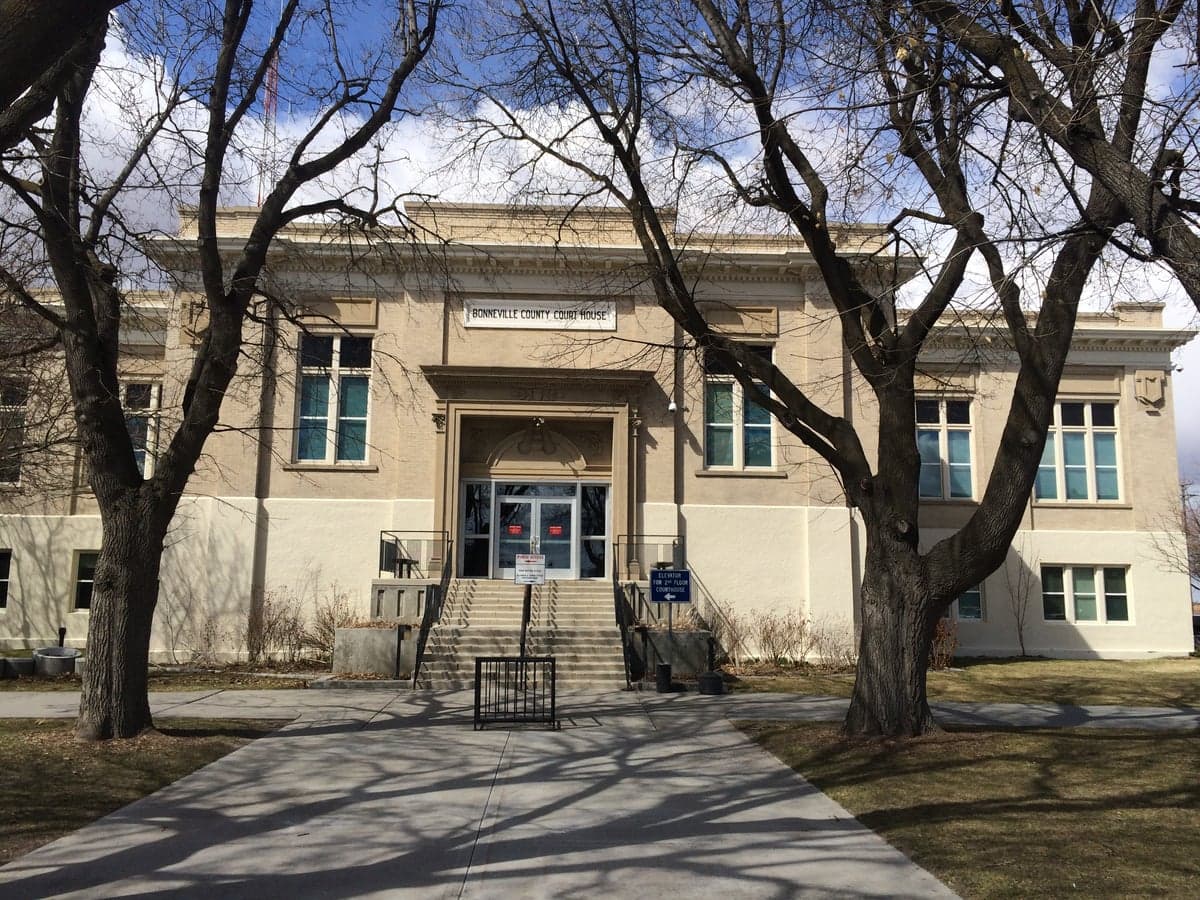
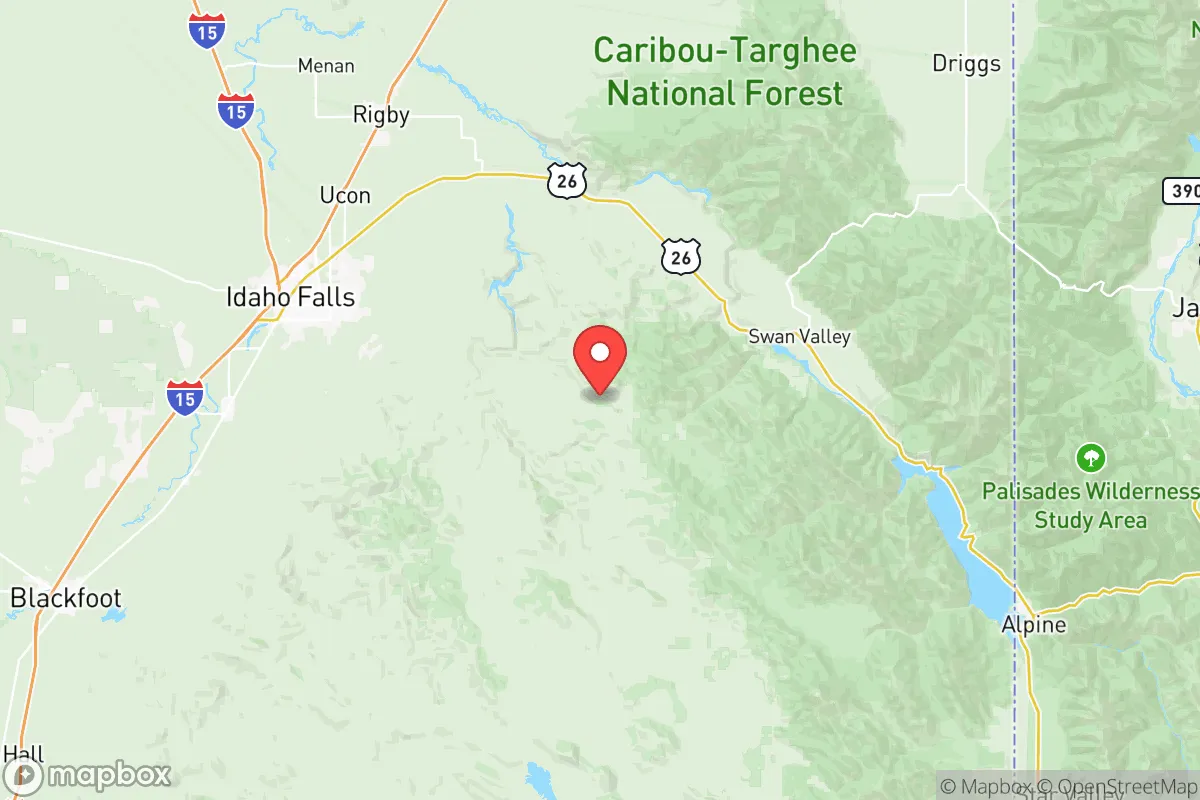
Photo: Wikipedia
Find The Best Places To Live in Bonneville County
PRO TIP! You can paste a Zillow or Redfin link to get info on that property.
Best Places to Live in Bonneville County
Cities & Towns in Bonneville County
Cities in Bonneville County
What It's Like Living in Bonneville County, ID
Living in Bonneville County means planting roots in a place where the broad, open valleys of eastern Idaho meet the everyday rhythms of work, school, and community life. The county, anchored by Idaho Falls but stretching through towns like Ammon, Iona, and the smaller rural pockets of Ucon and Ririe, has a distinct feel—it’s conservative, family-focused, and grounded in a practical, no-nonsense way of life. If you’re looking for a place where Friday nights are for high school football, Saturday mornings are for errands at the local grocery store, and Sunday is for church or a quiet drive through the farmland, this might be the fit.
Daily Rhythm: Work, School, and the Weekend Reset
For most people here, the day starts early. The average commute is just under 21 minutes, which means you can live in a quieter spot like Iona or Ucon and still get to a job in Idaho Falls or Ammon without burning an hour in traffic. The median income sits at $76,646, and with a cost of living index of 101—basically right at the national average—that paycheck stretches further than it would in Boise or Salt Lake City. The median home value is $327,000, which feels attainable for a family or a single professional, especially compared to the housing markets in larger Western cities. Weekends often revolve around the kids: soccer games, 4-H events, or a trip to the Tautphaus Park Zoo in Idaho Falls. For adults, evenings might mean a beer at the Black Rock Mountain Grill in Ammon or catching a movie at the Edwards 22 theater in Idaho Falls. The pace is deliberate, not frantic—people here value their time off and use it to be outside or with family.
Sports, Community, and the Local Identity
High school sports are a big deal in Bonneville County, and they’re the closest thing to a unifying cultural force. Friday-night football at Bonneville High School or Hillcrest High School draws crowds that include parents, grandparents, and local business owners. The rivalry between Idaho Falls High School and Skyline High School is genuine and long-standing—it’s the kind of thing that gets talked about at the coffee shop on Saturday morning. Beyond high school, the Idaho Falls Spud Kings (a junior hockey team) play at the Mountain America Center, and while they don’t have the same grip as high school football, they give winter a reason to gather indoors. The county’s median age is 33.3, which skews young enough that there’s a steady pipeline of families with kids in the school system. That’s a big part of the identity here: the schools—like those in the Bonneville Joint School District—are central to community life. Parents volunteer, attend board meetings, and show up for band concerts. It’s not unusual to see a whole town turn out for a school play in Ririe or a fundraiser in Ucon.
What’s There to Do: Outdoors, Eats, and Festivals
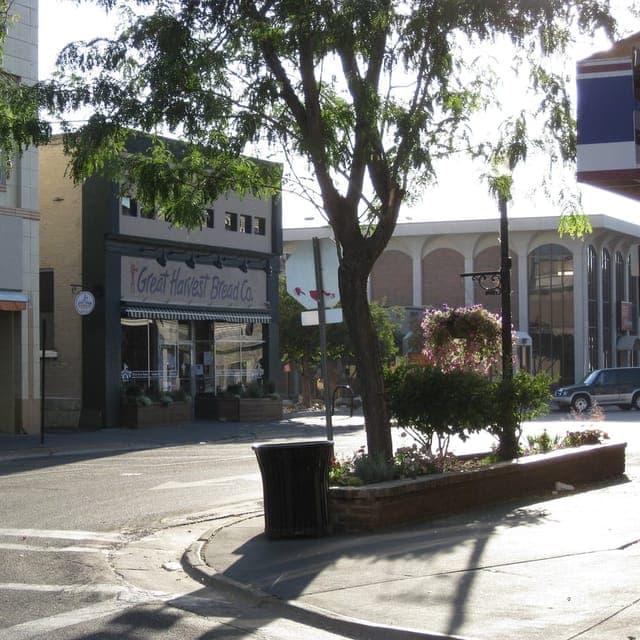
Outdoor access is the main draw for recreation. The county sits near the Snake River, and the Greenbelt trail system in Idaho Falls is a favorite for walking, biking, and fishing. In winter, people drive up to Kelly Canyon Ski Area or head toward the Caribou-Targhee National Forest for snowmobiling. Summer brings the Idaho Falls Arts & Entertainment District alive with the Idaho Falls Farmers Market and the War Bonnet Round Up rodeo in late July—a genuine rodeo, not a tourist show, with bull riding and barrel racing that draws competitors from across the region. For food, locals have their loyalties: Jaker’s Restaurant & Bar in Idaho Falls for burgers and a cold beer, Papa Tom’s Pizza in Ammon for a family night out, and Great Harvest Bread Co. for a quick lunch. The Idaho Falls Spud Kings games are a newer addition, but the real cultural touchstones are the rodeo and the Eastern Idaho State Fair in nearby Blackfoot, which is a 20-minute drive and a September tradition for many families.
Pros and Cons of Living Here
The honest upsides are clear: affordable housing relative to much of the West, a low crime rate (violent crime is 216.9 per 100,000, below the national average), and a strong sense of community where neighbors actually know each other. The downsides are equally real. The winter inversion can trap cold air and fog in the valley for days, making January feel gray and dreary. The job market is narrow—the biggest employers are the Idaho National Laboratory, the school district, and healthcare systems like Eastern Idaho Regional Medical Center. If you’re not in tech, engineering, education, or medicine, you might struggle to find a role that matches your skills. The social scene for single adults is limited; most social life revolves around families and church congregations, so a single person in their 20s or 30s might feel a bit isolated. And while the cost of living is average, wages don’t always keep pace with the housing market—home values have risen faster than incomes in recent years. Still, for someone who values quiet, safety, and a place where people look out for each other, Bonneville County delivers. It’s not flashy, but it’s solid—and that’s exactly what draws people here.

* Values derived from national, state, county, city and local statistics and may differ in a specific area. Last updated: 2026-06-04T21:37:24.000Z
Narrative content on this page is AI-generated and may contain mistakes. Verify any details that matter before acting on them.
ReloMaps may earn a commission from affiliate links at no extra cost to you.

