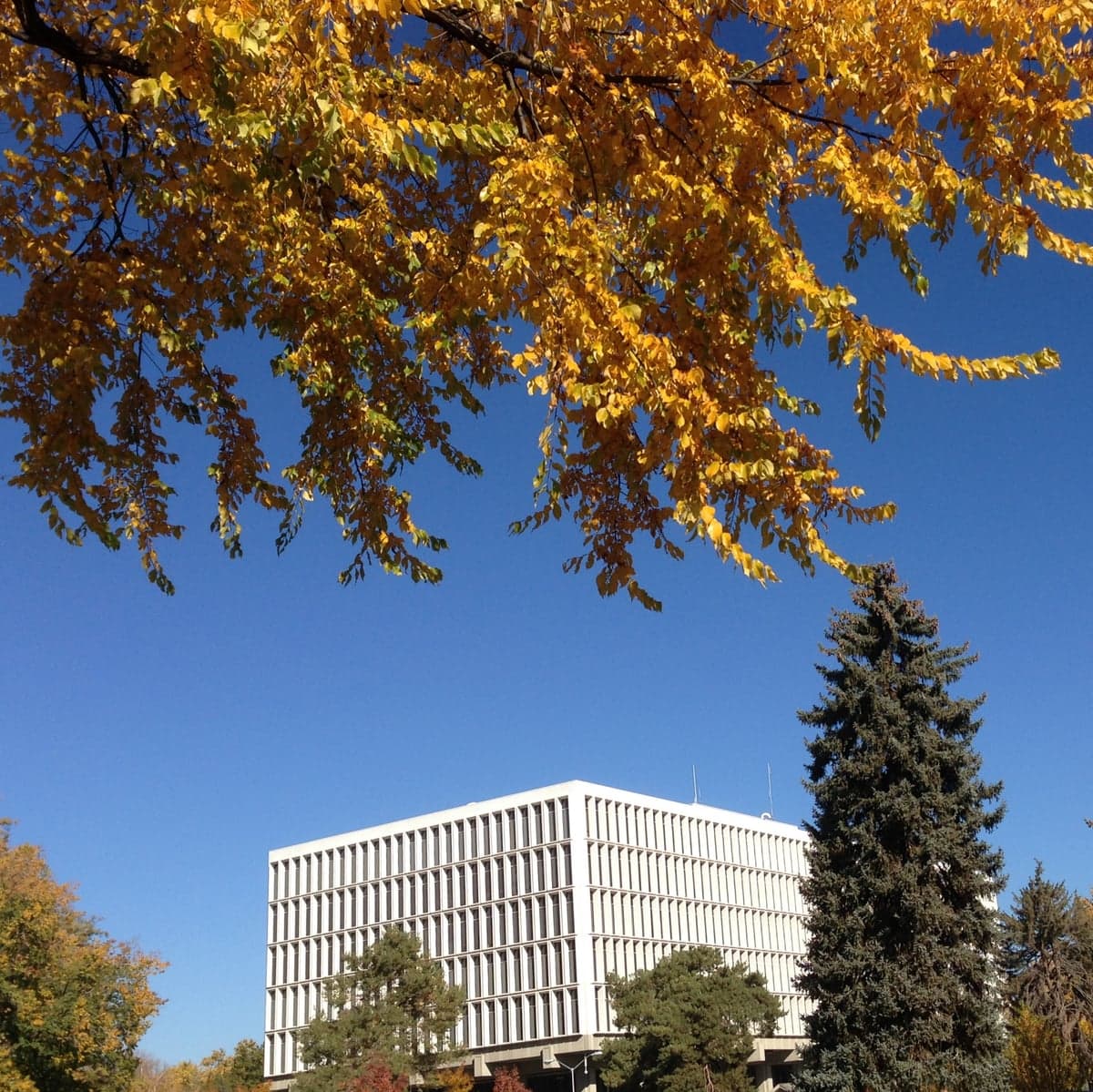
Photo: Wikipedia
Political ClimatePolitical Climate in Ada County
Showing district-level results — no local-only data available.
Local Political AnalysisPolitical Analysis of Ada County
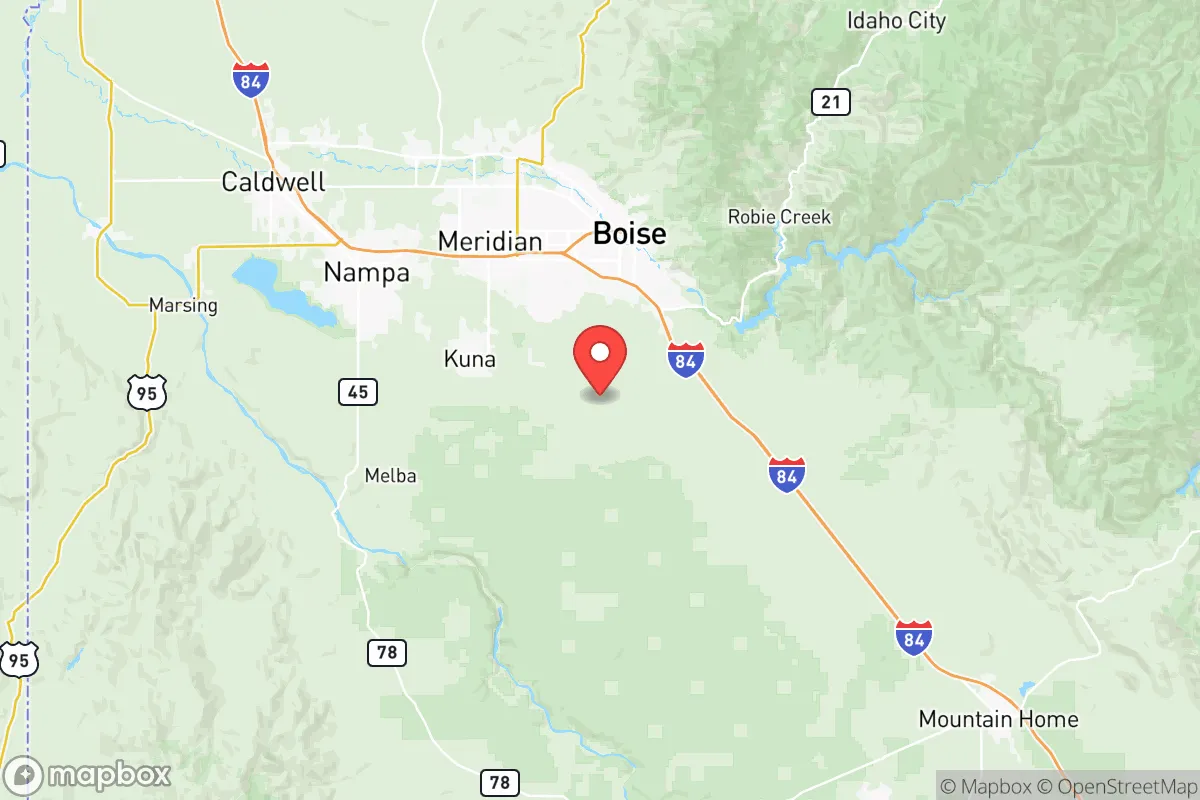
Ada County has long been the economic engine of Idaho, and politically, it’s a solidly conservative place—but it’s not the monolith it used to be. The Cook PVI sits at R+22, which is a full four points more Republican than the state’s R+18 rating, but that number hides a growing divide. If you’ve lived here as long as I have, you remember when the whole county voted like a block. Now, you’ve got Boise trending left, while the suburbs and exurbs are digging in their heels. The real story is how the county’s rapid growth is reshaping its political DNA, and not always in ways that sit well with folks who value limited government.
How it compares
Compared to the rest of Idaho, Ada County is both more conservative and more polarized. The state’s R+18 PVI reflects a deeply red rural landscape, but Ada County’s R+22 is driven by the outer ring of towns like Meridian and Eagle, where you’ll find some of the most reliably Republican precincts in the entire state. Meridian’s west side, for example, routinely votes 70-80% Republican in local races. Meanwhile, Boise’s North End and Downtown precincts have flipped blue in recent cycles, with some precincts going 60-70% Democratic. The swing precincts are in South Boise and West Boise, near the airport and along the Bench—these are the areas that decide county commission races and school board seats. In contrast, rural Idaho counties like Canyon or Twin Falls are far more uniformly red, with less of this urban-rural split.
What this means for residents
For those of us who moved here to escape the overreach we saw in places like California or Oregon, the shift in Boise is a real concern. The city council has pushed through zoning changes and density mandates that feel like top-down planning, and there’s been a steady creep of progressive policies on homelessness and public spending. The county itself is still run by a conservative majority, but the margins are tightening. In the 2024 election, the Ada County Commission race was decided by less than 5 points in some districts—something unthinkable a decade ago. If you value personal freedoms—like the right to build on your own land without endless permitting, or to send your kids to a school that reflects your values—you’re going to want to keep an eye on local elections. The state legislature in Boise is still a bulwark against federal overreach, but the county’s own government is where the rubber meets the road.
The cultural distinction that matters most here is the tension between Ada County’s rural roots and its suburban future. Towns like Kuna and Star are still very much old-school Idaho—think pickup trucks, church potlucks, and a deep skepticism of government meddling. Boise, on the other hand, has become a magnet for out-of-state transplants who bring their voting habits with them. The policy fights you’ll see—over property rights, school curriculum, and land use—are really about whether Ada County will stay a place where government stays out of your business, or whether it’ll start looking like the places people fled. For now, the county’s conservative lean holds, but the trend line is something to watch closely.

State Political ClimatePolitical Climate in Idaho
State Political AnalysisPolitical Environment in the State
Idaho is about as red as they come — a Cook PVI of R+18 puts it in the top tier of Republican states — but that label hides a more complicated picture. The dominant coalition is a mix of rural conservatives, Mormons, and libertarian-leaning transplants who fled California and Washington politics. Over the last two decades, the Gem State has moved from reliably red to still red but with growing blue enclaves, especially in the Treasure Valley and college towns. If you’re moving here for freedom, you’ll find plenty, but you’ll also see the same cultural fights playing out in places like Boise and Moscow that you thought you left behind.
Urban vs. rural divide
The political map is stark. Ada County — home to Boise — has become a battleground; in 2020 Joe Biden pulled 49% there, and in 2024 the margin was only a few points. That’s a huge shift from just a decade ago when it was +20 R. Drive twenty miles west to Canyon County (Nampa, Caldwell) and you’re back in deep red territory — Trump won it by double digits. Up north, Kootenai County (Coeur d’Alene, Post Falls) votes about +25 R, but the influx of remote workers from Seattle and California is slowly chipping away at that. The real conservative strongholds are the rural counties: Madison County (Rexburg) gave Trump 88% in 2020, driven by the BYU-Idaho community, and Lemhi County (Salmon) is similarly lopsided. On the flip side, Latah County (Moscow, home to the University of Idaho) is the only reliably blue county outside of Blaine County (Ketchum). So if you want to be surrounded by like-minded conservatives, you’re better off in the outskirts of Twin Falls or Idaho Falls than in downtown Boise. But even in the reddest areas, you’ll find new neighbors who don’t share your values — that’s the cost of being the fastest-growing state in the nation.
Policy environment
Idaho’s state-level policies are a dream for limited-government types. There’s no state sales tax on groceries, and the flat income tax was cut to 5.695% in 2023, heading lower. Property taxes are moderate, though they’ve crept up as home values skyrocket. The legislature is solidly Republican — supermajorities in both chambers — so gun rights are nearly absolute: constitutional carry, no waiting periods, and no permit required to conceal. Education policy tilts toward parental choice; charter schools are common, open enrollment is law, and there’s a growing homeschool community. After Dobbs, Idaho’s trigger law banned nearly all abortions, with narrow exceptions. Election integrity is strong: voter ID is required, ballot drop boxes are limited, and there’s no same-day registration. The regulatory environment is light — no state-level OSHA, minimal business licensing hoops, and right-to-work status. All that said, the rapid growth is taxing infrastructure, and local governments in places like Meridian are starting to impose impact fees and growth boundaries, which some see as creeping government overreach. Keep an eye on property rights — battles over water rights and eminent domain for transmission lines (the Boardman-to-Hemingway project) are heating up.
Trajectory & freedom
On net, Idaho has become more free over the past five years. The legislature passed HB 377 in 2024, which codifies parental rights in education — you get to review curriculum and opt your kid out of anything you don’t like. Medical freedom got a boost from SB 1027 (2022), which bans vaccine passports and government mandates for COVID shots. Gun rights expanded further with HB 206 (2023) outlawing local “red flag” ordinances — no confiscation without due process. But there are warning signs. HB 666 (2023) created a state-funded “domestic terrorism” unit within law enforcement, which some worry could be used against political dissidents. Speech hasn’t been restricted, but there’s a growing movement to crack down on “obscene” library materials — a double-edged sword for those who prize both liberty and traditional values. The real threat to freedom is coming from the local level: cities like Boise and Sandpoint have passed zoning rules that limit short-term rentals and make it harder to build, effectively pricing out newcomers. Also, the state’s reliance on federal funds (over 35% of the budget) means that Washington D.C. still pulls strings, especially on public lands. Idaho has a strong “county supremacy” movement pushing back against federal land management — that’s a fight worth watching.
Civil unrest & political movements
Idaho isn’t a hotbed of street protests, but it’s had its moments. In 2020, Boise saw large BLM demonstrations, including clashes with counter-protesters, and the “Boogaloo” movement gained some visibility in northern Idaho. The anti-government sentiment is strongest up north — the Ruby Ridge legacy is still alive, and groups like the Idaho Liberty Watch and various “constitutional sheriff” movements have real influence. Election integrity hasn’t been a major flashpoint here — most conservatives trust the results — but there was a push in 2022 to audit machines in some counties. Immigration politics are relatively quiet, though Canyon County has seen tensions over farm labor housing. Sanctuary city policies? None at the state level — Idaho actually passed a law in 2021 (HB 115) requiring local cooperation with ICE. If you live in Post Falls or Rathdrum, you’ll see “Trump 2024” signs year-round, but in Moscow you’ll see “In This House We Believe” lawn signs. The cultural divide is visible, but civil. Most of the unrest is online — Nextdoor and local Facebook groups can get heated over growth, taxes, and school boards. Newcomers from blue states tend to keep their politics quiet in the rural areas, but in Boise they’ve started to organize. That’s the biggest flashpoint: the clash between old-guard libertarian/conservative culture and the new wave of in-migrants who want the low taxes but not the social conservatism.
Projection
Over the next 5–10 years, Idaho will remain Republican at the state level — the legislature isn’t flipping anytime soon — but Ada County could turn blue in presidential elections. That would make statewide races for governor and Senate more competitive, as they’re currently decided by 20+ point margins. The cities will get bluer, the rural areas will stay bright red, and the suburbs around Boise (Meridian, Eagle) will be the battlegrounds. The in-migration trend is not slowing; Idaho added about 250,000 people between 2020 and 2025. Many of them come from California, Oregon, and Washington — and they bring their voting habits. A decade from now, expect the Treasure Valley to be as purple as Colorado’s Front Range, while the rest of the state holds the line. That means more local fights over school curriculum, zoning, and taxes. The state’s “religious liberty” protections and gun laws will likely hold, but there will be pressure to expand Medicaid or legalize marijuana. If you’re moving to Rexburg or Idaho Falls, you’ll still enjoy a deeply conservative environment. If you choose Boise, you’ll need to engage politically to keep it from turning into Portland-lite. The bottom line: Idaho is still a refuge for those fleeing overreach, but the refuge is getting crowded.
For a new resident, the practical takeaway is this: choose your location carefully. The
* Values derived from national, state, county, city and local statistics and may differ in a specific area. Last updated: 2026-05-22T00:05:10.000Z
Narrative content on this page is AI-generated and may contain mistakes. Verify any details that matter before acting on them.
ReloMaps may earn a commission from affiliate links at no extra cost to you.

