Photo: Wikipedia
Personal Sovereignty in Glenarden, MD
Viable for self-reliance. Generally workable, though some barriers may limit total independence.
What does Personal Sovereignty tell us?
Personal Sovereignty measures your capacity for self-reliance and independence with minimal government friction. Higher scores mean fewer barriers between you and the way you want to live... but it assumes you have the space you need and good neighbors.
What does this tell us?
Personal Sovereignty measures your capacity for self-reliance and independence with minimal government friction. Higher scores mean fewer barriers between you and the way you want to live... but it assumes you have the space you need and good neighbors.
State Policy
Energy independence: Importer (8% of energy produced in-state)
Personal Liberty
Homesteading

Personal Liberty Analysis
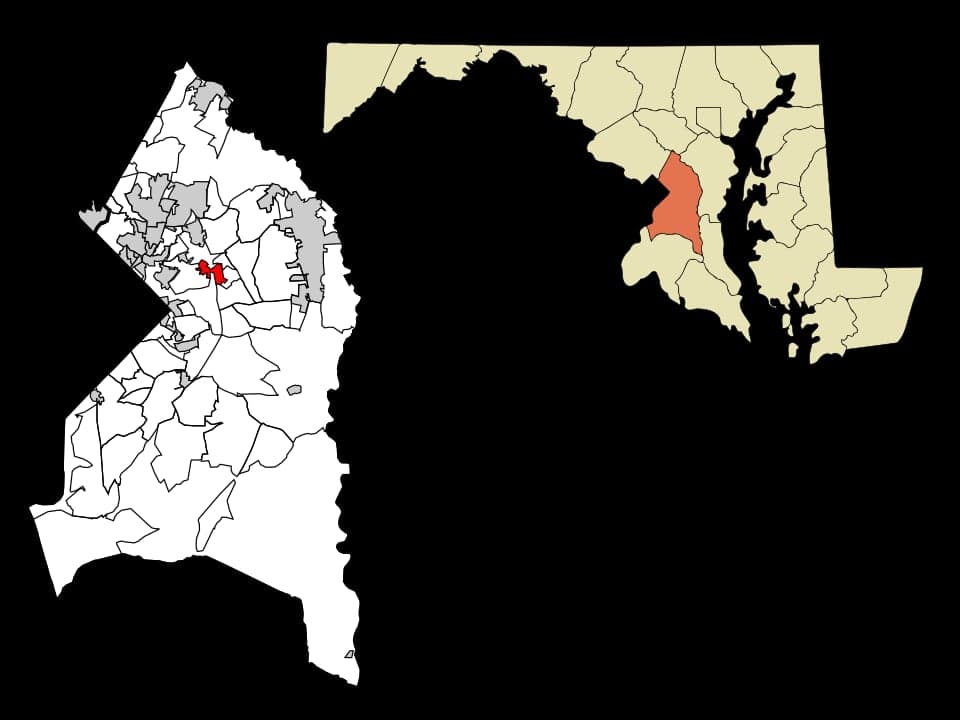
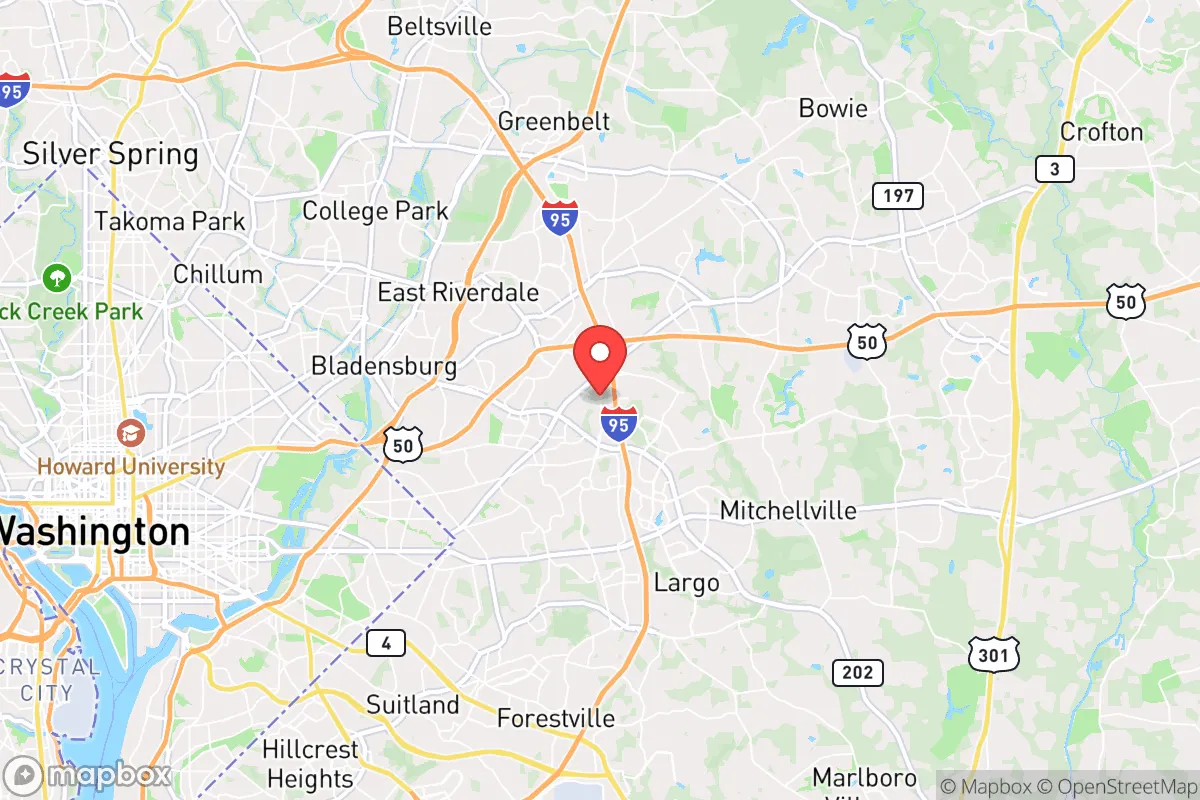
Glenarden, Maryland, presents a challenging environment for those prioritizing personal sovereignty, as the state’s dense regulatory framework and progressive governance significantly constrain individual autonomy. Located in Prince George’s County, this suburban community sits within a state that consistently ranks among the most restrictive in the nation for gun rights, tax burdens, and local control. For the survivalist or prepper mindset, Glenarden’s proximity to Washington, D.C. (roughly 15 miles) amplifies concerns about government overreach, as federal and state policies often converge to limit self-reliance. While the area offers some practical advantages like access to major highways and a moderate climate, the overarching legal and political climate demands careful consideration for anyone valuing personal freedoms over collective mandates.
Tax burden and regulatory posture in Prince George’s County
Maryland’s tax structure is among the heaviest in the country, and Glenarden residents bear the full weight. The state’s income tax ranges from 2% to 5.75%, but Prince George’s County adds its own local income tax of 3.2%, bringing the combined top marginal rate to nearly 9% — one of the highest in the nation. Property taxes are also steep: the county’s rate is roughly $1.34 per $100 of assessed value, and with Maryland’s statewide property tax of $0.112 per $100, homeowners face a significant annual burden. Sales tax is 6%, applied broadly to most goods and services. For those seeking to minimize government extraction, this is a hostile environment. Regulatory posture is equally aggressive: Maryland has some of the strictest environmental regulations in the Mid-Atlantic, impacting everything from vehicle emissions to home construction. The state’s energy code is among the most stringent, and recent mandates push for electrification of new buildings, effectively phasing out natural gas. For a prepper looking to maintain off-grid capabilities or independent energy systems, these regulations can be a direct obstacle. The county also enforces strict zoning codes that limit property modifications without extensive permitting, reducing the ability to adapt a home for self-sufficiency without bureaucratic approval.
Self-defense rights and Maryland’s restrictive gun laws
Maryland is a clear outlier for Second Amendment advocates, and Glenarden offers no refuge. The state requires a Handgun Qualification License (HQL) to purchase a handgun, which involves a background check, fingerprinting, and a four-hour training course — a process that can take weeks. Additionally, Maryland has a “may-issue” concealed carry permit system, though a 2022 Supreme Court ruling (NYSRPA v. Bruen) forced the state to loosen its “good and substantial reason” requirement. In practice, the Maryland State Police still impose significant delays and administrative hurdles, and permits are not guaranteed. The state bans “assault weapons” by name, including popular AR-15 platforms, and limits magazine capacity to 10 rounds. For a survivalist, this means building a robust defensive arsenal is legally constrained. Self-defense in the home is generally protected under the Castle Doctrine, but Maryland does not have a “Stand Your Ground” law; a duty to retreat applies in public spaces before using deadly force. This legal landscape creates a chilling effect on personal security planning. For those prioritizing self-reliance, the inability to easily acquire, carry, and train with standard defensive firearms is a major sovereignty deficit. Neighboring Virginia, by contrast, offers far more permissive gun laws, but crossing state lines with firearms requires strict adherence to federal and state regulations.
Self-reliance and homesteading viability in a suburban setting
Glenarden’s suburban character limits traditional homesteading opportunities. Typical residential lots range from 0.2 to 0.5 acres, with many homes on smaller plots in planned subdivisions. Zoning in Prince George’s County is primarily residential (R-55, R-65, etc.), which restricts agricultural activities. Keeping chickens is generally allowed on lots of at least 20,000 square feet (roughly half an acre), but goats, pigs, or larger livestock are prohibited in most residential zones. Beekeeping is permitted with registration, but neighbors and homeowners’ associations may impose additional restrictions. Off-grid feasibility is low: Maryland mandates grid connection for new construction, and solar panel installations require county permits and utility approval. Rainwater harvesting is legal but limited to non-potable uses, and well drilling is impractical in this densely developed area. For a prepper seeking land for food production, water independence, or energy autonomy, Glenarden is a poor fit. The county’s soil is primarily urban fill, and community gardens are the most realistic option for growing food. Those serious about self-reliance should look to more rural parts of Maryland, such as Garrett or Allegany counties, where lot sizes are larger and zoning is less restrictive. However, even there, state-level regulations on water rights, building codes, and land use remain significant hurdles.
Personal liberties: parental rights, medical autonomy, and free speech
Maryland’s progressive tilt directly impacts personal liberties that conservatives and survivalists hold dear. Parental rights have been eroded by state policies: Maryland mandates comprehensive sex education in public schools, and parents cannot opt their children out of specific lessons — only the entire program. The state also has a “transgender rights” law that allows students to use facilities matching their gender identity without parental notification, a flashpoint for many families. Medical autonomy is similarly constrained. Maryland has strict vaccine mandates for school attendance, with limited exemptions (medical only, no religious or philosophical exemptions). During the COVID-19 pandemic, the state imposed mask mandates, business closures, and vaccine passports, demonstrating a willingness to override individual choice during emergencies. For those concerned about future government overreach in health decisions, this track record is troubling. Free speech is generally protected under the First Amendment, but Maryland has laws against “harassment” and “disorderly conduct” that critics argue can be used to suppress political speech, particularly around contentious issues like abortion or gun rights. Property rights are also limited: the state’s “eminent domain” powers are broad, and Prince George’s County has used them for redevelopment projects. Homeowners face strict historic preservation rules in some neighborhoods, limiting exterior modifications. Overall, the legal environment in Glenarden prioritizes collective mandates over individual discretion, making it a challenging location for those who value maximum personal sovereignty.
In the broader context of the Mid-Atlantic, Glenarden ranks low for personal sovereignty. While it offers urban amenities and proximity to federal employment, the trade-offs are steep: high taxes, restrictive gun laws, limited homesteading potential, and a regulatory posture that favors government control over individual autonomy. For a survivalist or prepper, this area is best viewed as a temporary or compromise location, not a long-term base for self-reliant living. Neighboring states like West Virginia, Pennsylvania, or Delaware offer far more freedom in taxation, gun rights, and land use, though each has its own trade-offs. If relocation to Glenarden is unavoidable, focus on building legal compliance strategies, network with like-minded individuals in less restrictive counties, and maintain a low profile. The sovereignty score here is a solid C-minus — functional for daily life, but deeply compromised for those who prioritize liberty over convenience.

* Values derived from national, state, county, city and local statistics and may differ in a specific area. Last updated: 2026-04-19T07:41:47.000Z
Narrative content on this page is AI-generated and may contain mistakes. Verify any details that matter before acting on them.
ReloMaps may earn a commission from affiliate links at no extra cost to you.

