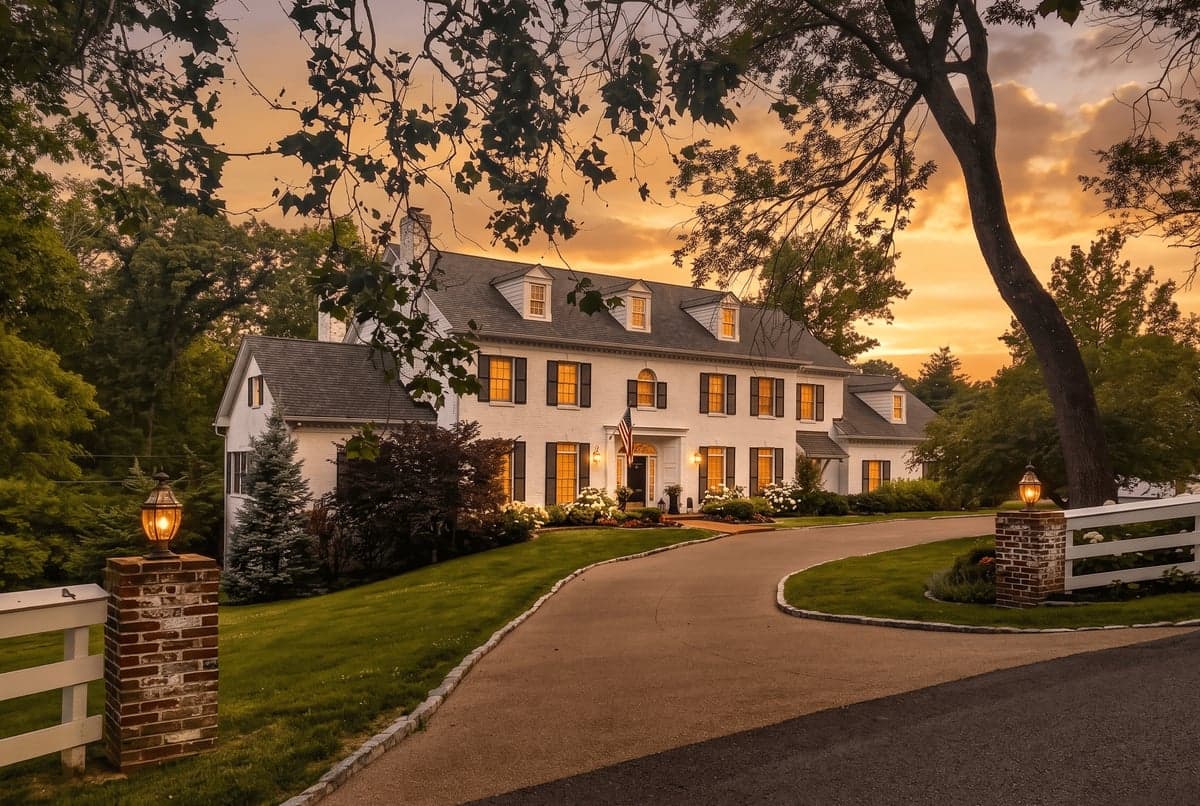
Photo: Made with AI
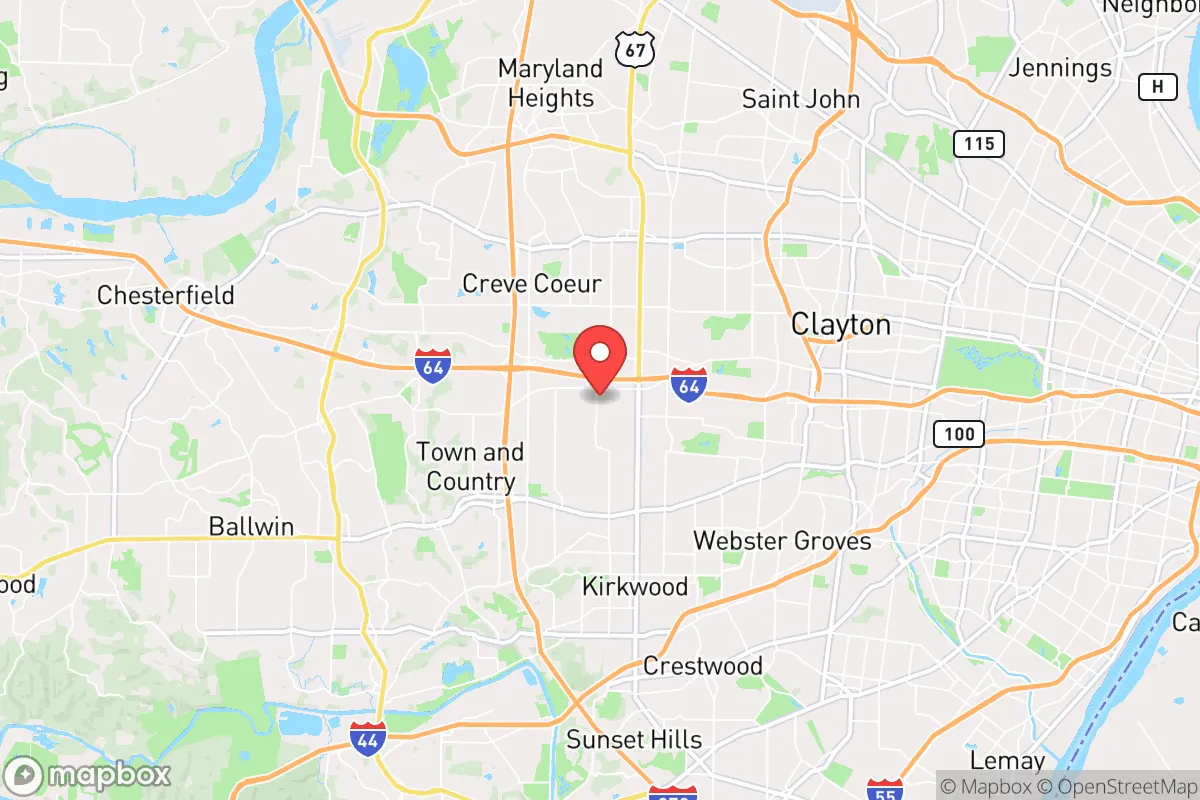
Personal Sovereignty in Frontenac, MO
Viable for self-reliance. Generally workable, though some barriers may limit total independence.
What does Personal Sovereignty tell us?
Personal Sovereignty measures your capacity for self-reliance and independence with minimal government friction. Higher scores mean fewer barriers between you and the way you want to live... but it assumes you have the space you need and good neighbors.
What does this tell us?
Personal Sovereignty measures your capacity for self-reliance and independence with minimal government friction. Higher scores mean fewer barriers between you and the way you want to live... but it assumes you have the space you need and good neighbors.
State Policy
Energy independence: Importer (15% of energy produced in-state)
Personal Liberty
Homesteading

Personal Liberty Analysis
Frontenac, Missouri, offers a notably high degree of personal sovereignty, rooted in Missouri’s strong state-level preemption laws and a local governance structure that tends toward light-touch regulation. For individuals and families who prioritize autonomy—whether in financial decisions, self-defense, or lifestyle choices—this St. Louis suburb provides a rare blend of suburban convenience and a legal environment that largely leaves residents alone. The city’s small size (roughly 3,600 residents) and affluent tax base mean fewer local ordinances intrude on daily life compared to larger, more densely regulated municipalities in the region.
Tax burden and regulatory posture: how Missouri’s framework shapes Frontenac
Missouri is a low-tax state overall, and Frontenac benefits directly from that posture. There is no state income tax on Social Security benefits, and the state’s flat income tax rate is set to drop to 4.7% in 2026, with further reductions tied to revenue triggers. Property taxes in Frontenac are moderate for the area—around 1.1% of assessed home value—but the city itself imposes no additional municipal income tax, unlike some St. Louis County suburbs. The regulatory environment is similarly restrained: Missouri has strong preemption laws that prevent cities from enacting their own minimum wage, paid leave, or rental inspection ordinances that exceed state standards. Frontenac’s zoning code is focused on maintaining residential character—minimum lot sizes of one acre in most single-family districts—rather than dictating how residents live. There are no local bans on short-term rentals, no plastic bag bans, and no local energy-efficiency mandates for homes. For a reader comparing this to states like California or New York, the difference is stark: you are not navigating a thicket of local permits for routine property improvements, and the tax burden leaves more money in your pocket to allocate as you see fit.
Self-defense and gun law specifics: what Missouri’s permitless carry means for residents
Missouri is a constitutional carry state, meaning no permit is required to carry a concealed firearm for any law-abiding adult 19 or older (18 with military service). Frontenac, as a municipality, cannot and does not impose its own gun restrictions—state preemption law is absolute, voiding any local ordinances that attempt to regulate firearms. This means no local waiting periods, no magazine capacity limits, and no additional background checks beyond federal requirements. Stand-your-ground law is fully in effect: there is no duty to retreat before using deadly force in any place you are lawfully present. Castle doctrine protections extend to your home, vehicle, and occupied structure. For a family moving from a restrictive state like Illinois or New Jersey, the practical difference is immediate: you can carry without government permission, store firearms without state-mandated safe storage laws, and defend your home without fear of prosecution for using force. The nearest gun ranges and training facilities are within a 15-minute drive, and the St. Louis County Sheriff’s office processes concealed carry permits for those who still want reciprocity with other states—but it is entirely optional.
Self-reliance and homesteading viability: lot sizes, zoning, and off-grid feasibility
Frontenac’s zoning code is a double-edged sword for self-reliance. On one hand, the one-acre minimum lot size in most residential districts provides enough space for substantial vegetable gardens, small orchards, chicken coops, and even a modest greenhouse—activities that are explicitly permitted as accessory uses. There are no local bans on front-yard vegetable gardens or clotheslines, and rainwater collection is unrestricted under state law. On the other hand, the city’s zoning is strictly residential: keeping livestock beyond chickens (typically limited to six hens, no roosters) is not allowed, and commercial-scale agriculture is prohibited. Off-grid living is legally feasible in the sense that Missouri has no state law requiring grid connection, but practical realities intervene. The city requires connection to municipal water and sewer where available, which covers nearly all developed lots. Solar panels are permitted by right, but net metering with the local utility (Ameren Missouri) is capped at 100 kW for residential systems, and battery storage is allowed. For a family wanting to reduce reliance on the grid, Frontenac is workable but not ideal—you can supplement, but you cannot fully disconnect. The real draw for self-reliance here is the financial freedom: low taxes and minimal regulation mean you keep more of what you earn, which you can invest in backup systems, land improvements, or simply a larger emergency fund.
Personal liberties: parental rights, medical autonomy, speech, and property
Missouri has become a stronghold for parental rights in education. The state’s “Parents’ Bill of Rights” (SB 34, 2022) guarantees that parents can review all instructional materials, opt their children out of any assignments they object to, and are notified of any medical or mental health services provided at school. Frontenac’s schools—part of the highly rated Ladue School District—operate within this framework, and the district has not attempted to circumvent state law. Medical autonomy is more complex: Missouri has some of the strictest abortion laws in the country (a near-total ban with no exceptions for rape or incest), but for vaccine mandates, the state prohibits employers from requiring COVID-19 vaccination as a condition of employment, and school vaccine requirements allow for broad religious and medical exemptions. Speech protections are robust—Missouri has no hate speech laws that criminalize expression, and the state’s “Right to Farm” amendment (Article I, Section 35) protects agricultural practices from nuisance lawsuits, which indirectly reinforces property rights. Property rights themselves are strong: there is no statewide rent control, no inclusionary zoning mandates, and eminent domain is limited to public use (not economic development, as the state’s 2006 law tightened after Kelo). For a resident, this means you can use your property largely as you see fit, speak your mind without fear of government sanction, and make medical decisions for your family within the bounds of state law.
Overall, Frontenac ranks among the more sovereignty-friendly suburbs in the St. Louis region. The combination of Missouri’s low tax burden, strong preemption laws, constitutional carry, and parental rights legislation creates an environment where the default answer from government is “yes, unless there is a compelling reason to say no.” Compared to a suburb in Illinois or a coastal metro area, the regulatory friction is noticeably lower. For a family or individual who values being left alone to make their own choices—financial, defensive, medical, or lifestyle—Frontenac delivers a level of personal sovereignty that is increasingly rare in affluent American suburbs. It is not a libertarian enclave, but it is a place where the state and local government largely stay out of your way, and that is precisely the point.

* Values derived from national, state, county, city and local statistics and may differ in a specific area. Last updated: 2026-09-29T01:23:54.000Z
Narrative content on this page is AI-generated and may contain mistakes. Verify any details that matter before acting on them.
ReloMaps may earn a commission from affiliate links at no extra cost to you.

