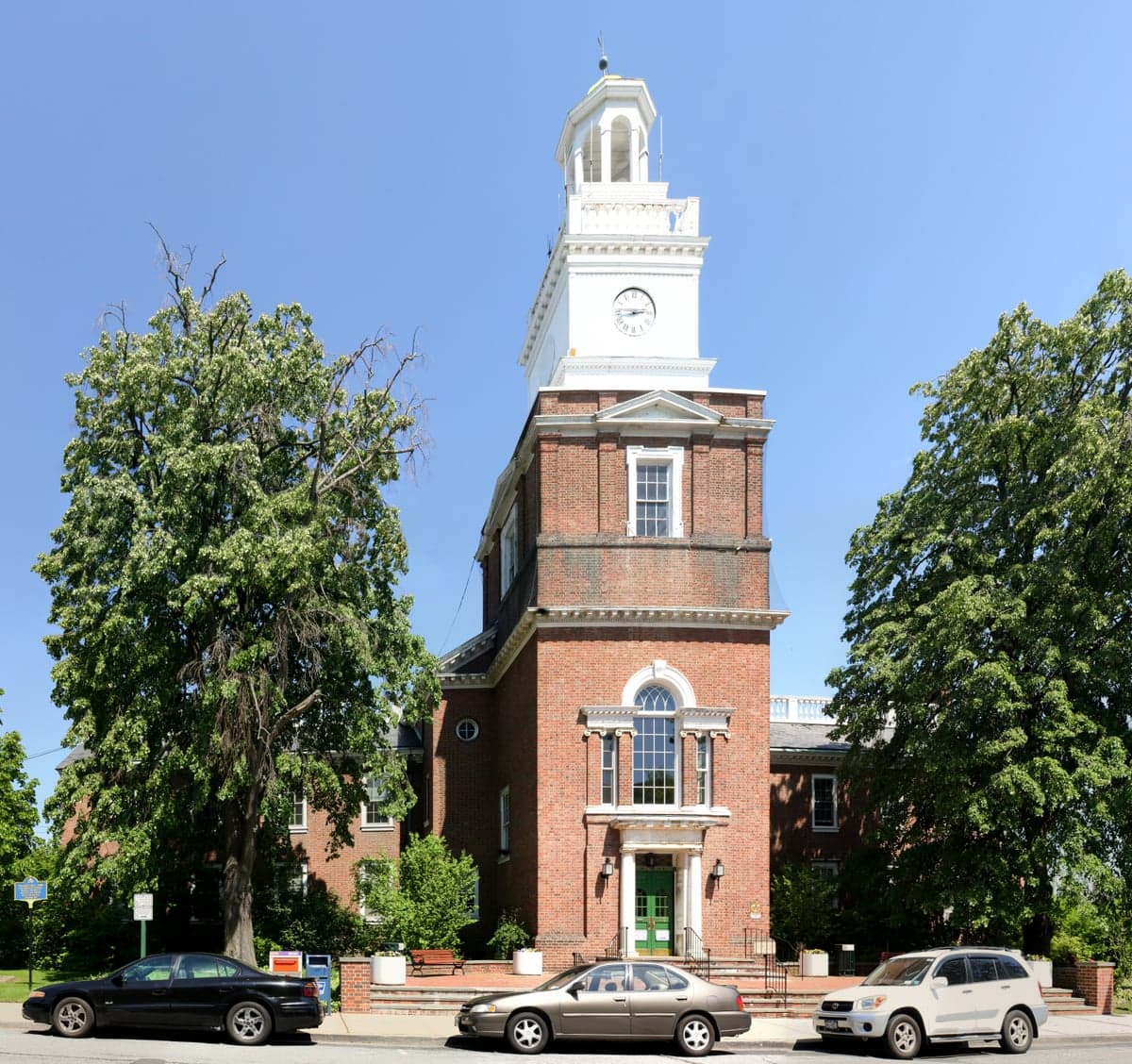
Photo: Wikipedia
Strategic Assessment of Freeport, NY
High tactical risk. This location is likely close to major population centers, strategic targets, or sits in a high-disaster corridor. A retreat property and careful exit planning is required.
What does the Strategic Assessment tell us?
Our Strategic Assessment grades tactical survivability of an area. Major population centers, military targets, fallout zones, natural disasters, and border exposure all drive risk — lower exposure means a more defensible position in a crisis.
This is heavily inspired by Joel Skousen's Strategic Relocation book. Highly recommended you checkout the book ($)What does this tell us?
Our Strategic Assessment grades tactical survivability of an area. Major population centers, military targets, fallout zones, natural disasters, and border exposure all drive risk — lower exposure means a more defensible position in a crisis.
This is heavily inspired by Joel Skousen's Strategic Relocation book. Highly recommended you checkout the book ($)Strategic Pillars

Key Distances
Regional Safe Places
Below is our recommended "safe zones" in New York and the surrounding area based on our strategic heuristics. For most people, it's unrealistic to live in a “safe zone” full-time due to work, family or other personal reasons. They tend to be more rural. However, many of these areas are perfect for second homes and retreat properties that double as a vacation home or even a short-term rental.
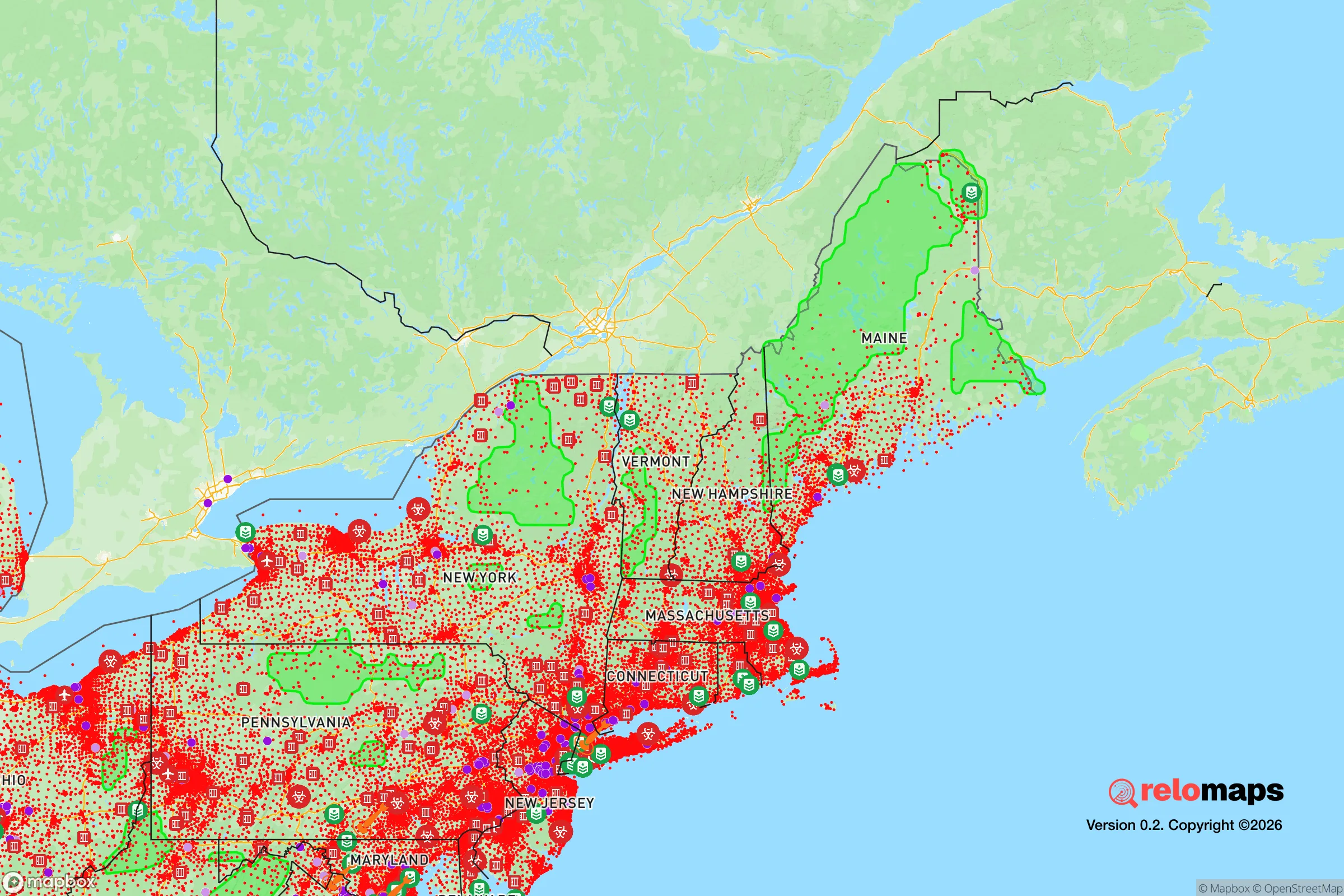
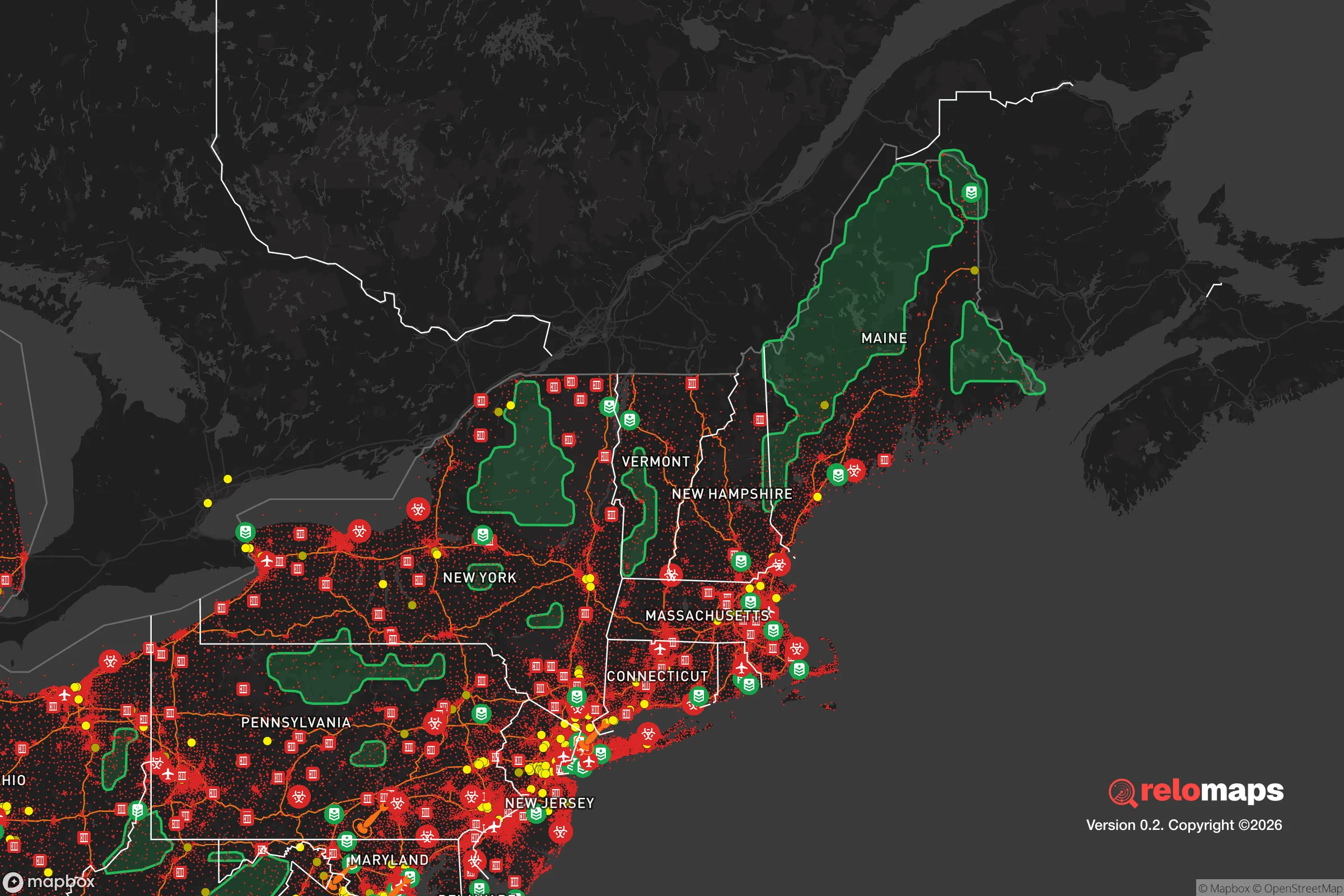


Important Note: For informational purposes only. This does not mean nothing bad ever happens in the green zones. Please use common sense. This is based on public data and modeled with AI. We tried to take a conservative approach but mistakes happen. We update this regularly as new information becomes available.
Solar Generator Recommendations
Backup power matters more here than in safer locations. We've picked three solar generators across budgets and capacity tiers — start with the budget unit if you only need a few essentials, or step up if you want to run a fridge and HVAC for days at a time.

Jackery Portable Power Station Explorer 300
Budget OptionPower on the Go: Weighing only 11 lbs, it's convenient to set up and store with book-sized foldable solar panels

BLUETTI Portable Power Station AC180
Designed for both indoor and outdoor scenarios, AC180 is highly capable as it has a robost capacity and continuous output power.

EF ECOFLOW DELTA Pro Ultra Power Station
Upgraded PickEcoFlow DELTA Pro Ultra is a whole-home energy system designed to grow with your family. Integrated with the Smart Home Panel 2, it scales to meet your evolving energy needs — keeping your home powered, intelligent, and secure through every stage of life.
We earn a commission, at no additional cost to you.
Strategic Assessment Analysis
Freeport, New York, presents a complex strategic picture for the conservative prepper or survivalist. Its location on the South Shore of Long Island offers some natural advantages, but its proximity to New York City and the inherent vulnerabilities of a coastal, densely populated island create significant risk profiles that must be weighed carefully. For a relocator prioritizing resilience, self-sufficiency, and security, Freeport is less a sanctuary and more a high-stakes position that requires constant awareness and a robust, layered preparation strategy.
Geographic position and natural advantages for a strategic relocation
Freeport’s primary strategic asset is its position on the Atlantic Ocean and its extensive canal system, which historically made it a hub for maritime commerce and recreation. For a prepper, this water access is a double-edged sword. On the positive side, it provides a potential avenue for escape or resupply by water, a route that would be less congested than roadways during a crisis. The town’s location on the mainland of Long Island, rather than a barrier island, offers slightly better defensibility against storm surge compared to communities directly on the oceanfront. The area’s natural topography is flat and low-lying, which is a disadvantage for observation posts but does provide some limited agricultural potential in the surrounding Nassau County region. The proximity to Jones Beach and other state parks offers some open space, though these are heavily managed and not wilderness. The real advantage here is the ability to leverage the marine environment for fishing, crabbing, and potentially desalination if you have the right gear. However, the density of the surrounding suburban development means that any natural resource will be contested quickly in a prolonged disruption.
Risks, exposures, and proximity to fallout-relevant landmarks
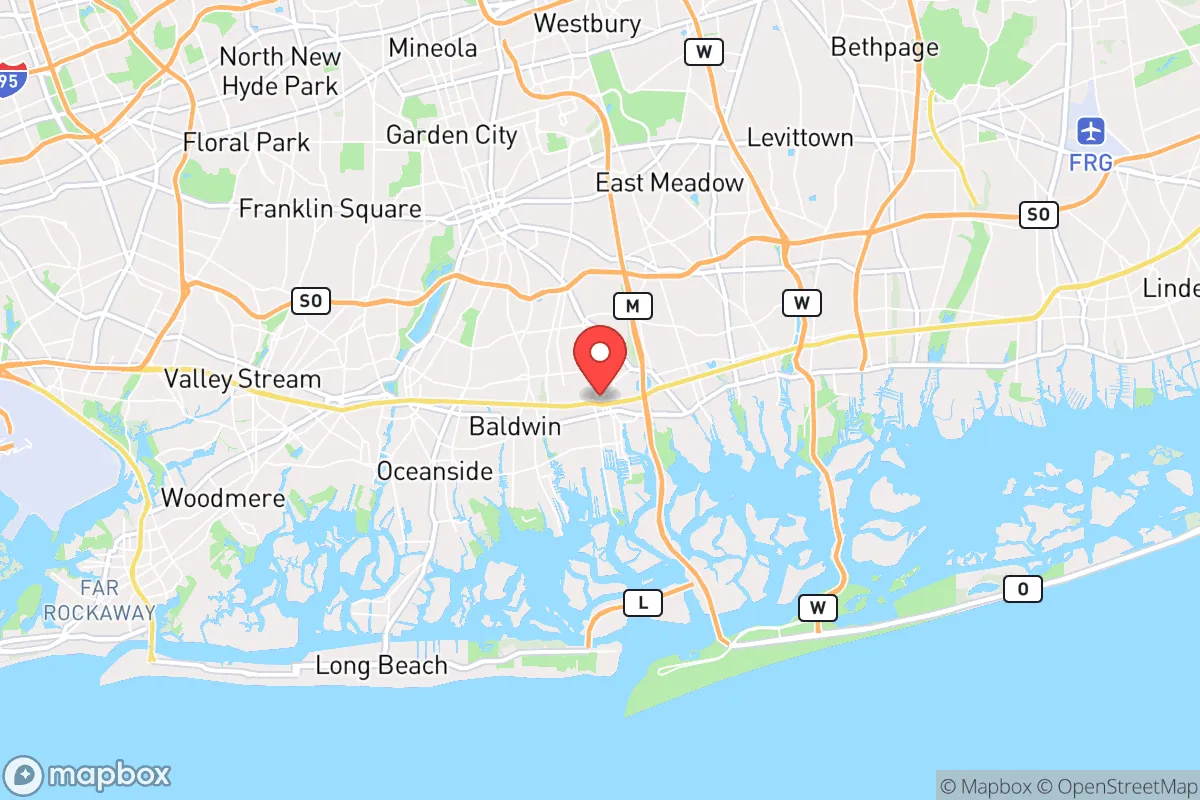
The most glaring risk for Freeport is its location within the New York metropolitan area. Freeport is approximately 25 miles from midtown Manhattan, placing it well within the fallout zone of any major event targeting the city. A nuclear detonation, a large-scale terrorist attack, or a major infrastructure failure in NYC would send a wave of refugees, panic, and potential secondary hazards directly toward Freeport. The town is also within a few miles of John F. Kennedy International Airport, a high-value target for any adversary, and is near the Long Island Rail Road mainline, which could be a choke point for evacuation or a target itself. The density of the population—Nassau County has over 1.3 million residents—means that any local crisis will be amplified by the sheer number of people competing for the same limited resources. The area is also vulnerable to hurricanes and nor’easters, with storm surge being a primary concern. The canal system, while a boon for boating, can act as a conduit for floodwaters. Furthermore, the region’s reliance on a complex, aging power grid and a centralized water supply from the NYC watershed means that a single point of failure could cascade into a long-term outage. For the conservative relocator, the proximity to these high-risk, high-density targets is a significant negative, making Freeport a location that demands constant vigilance and a well-rehearsed evacuation plan.
Practical resilience for a relocator: food, water, energy, and defensibility
When assessing practical resilience, Freeport presents a mixed bag. Food security is a major challenge. The area is a food desert in the sense that it is entirely dependent on trucking and rail for its supply. Local supermarkets are well-stocked in normal times, but they would empty within 48 hours of a major disruption. The ability to grow food is limited by the small, often shaded, suburban lots and the short growing season. The marine environment offers a protein source, but it requires skill, gear, and access to the water, which would be contested. Water security is another critical vulnerability. Freeport’s water comes from the Long Island aquifer, but the distribution system is powered by the grid. Without electricity, water pressure fails. A backup generator and a means to pump or store water are non-negotiable. The canal water is brackish and not potable without advanced treatment. Energy resilience is achievable but requires investment. Solar panels are viable, but the region’s frequent cloud cover and the risk of storm damage mean a backup generator with a substantial fuel store is essential. Natural gas is available, but the pipeline system is vulnerable. Defensibility is poor. The town is a dense, interconnected suburban grid with multiple points of entry. A single-family home on a typical lot offers little in the way of standoff or concealment. The best you can hope for is a well-fortified home with a good security system and a strong network of like-minded neighbors. The canal system does offer a potential defensive barrier for some properties, but it is not a moat. For the prepper, Freeport is a location where you must be prepared to hunker down for a short-term crisis (72 hours to two weeks) or bug out to a more defensible secondary location. It is not a place for long-term, self-sufficient survival.
The overall strategic picture for Freeport is one of calculated risk. It is not a survivalist’s paradise, nor is it a complete write-off. Its location offers some unique advantages for those who can exploit the marine environment and who have the resources to build a high level of self-sufficiency. However, the overwhelming negatives—proximity to NYC, high population density, vulnerability to natural disasters, and dependence on fragile infrastructure—make it a location that requires a constant state of readiness. For the conservative relocator who values community and has a strong plan, Freeport could be a viable base of operations, but only if you are willing to accept that you are living in the shadow of a major target and that your resilience will be tested by both man-made and natural threats. The smart move here is to treat Freeport as a forward operating base, not a final redoubt. Have your bug-out bag packed, your vehicle fueled, and your secondary location identified. This is a place to live strategically, not to hide.

* Values derived from national, state, county, city and local statistics and may differ in a specific area. Last updated: 2026-04-19T20:25:13.000Z
Narrative content on this page is AI-generated and may contain mistakes. Verify any details that matter before acting on them.
ReloMaps may earn a commission from affiliate links at no extra cost to you.

