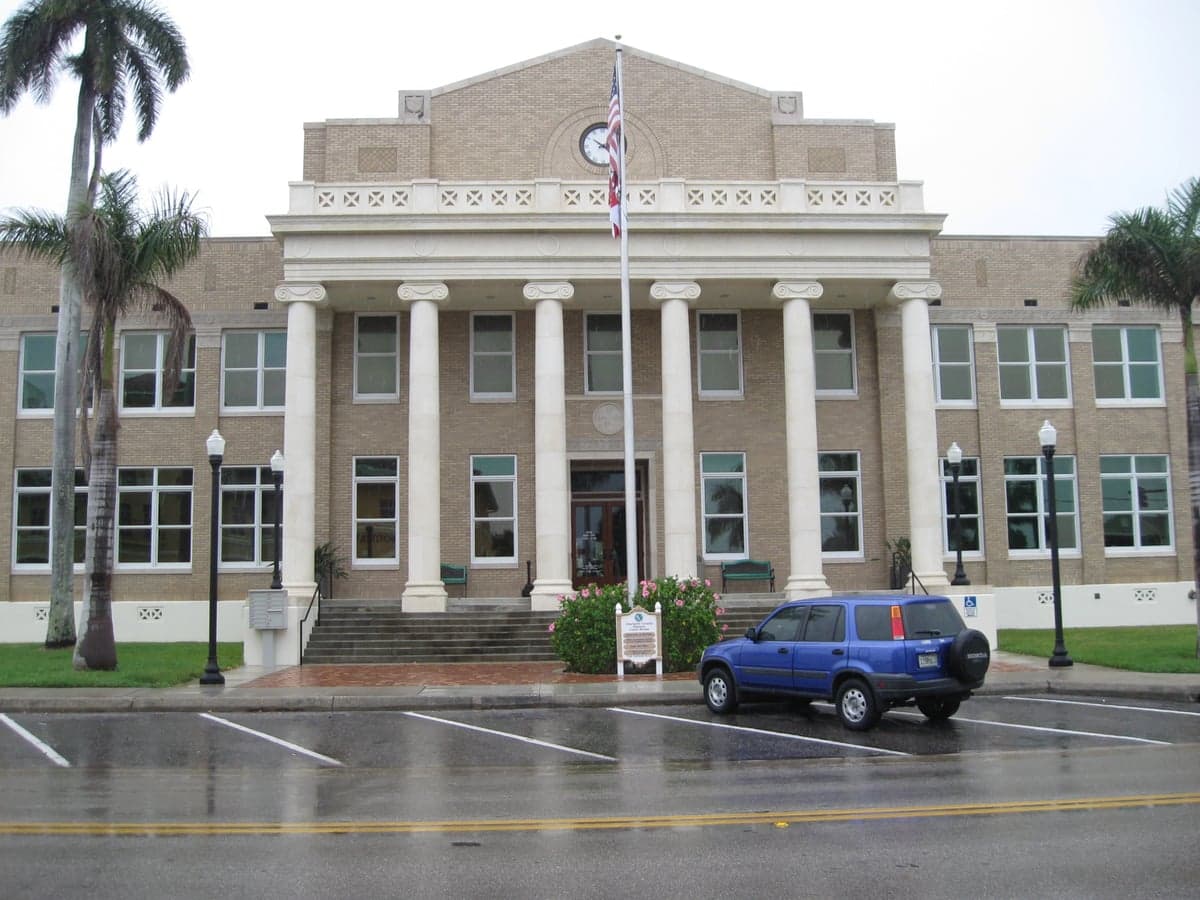
Photo: Wikipedia
Quality of Life in Charlotte County
A livable area that tracks near national norms for affordability, walkability, and neighborhood health.
What does Quality of Life tell us?
Quality of Life measures an area by evaluating factors like cost of living, nearby amenities, country club access, airport proximity, socioeconomic signals and neighborhood character. For large states, this is a general average — quality of life can vary dramatically between metro areas, suburbs, and rural communities within the same state.
What does this tell us?
Quality of Life measures an area by evaluating factors like cost of living, nearby amenities, country club access, airport proximity, socioeconomic signals and neighborhood character. For large states, this is a general average — quality of life can vary dramatically between metro areas, suburbs, and rural communities within the same state.
Cost of Living
8% above national average
80%
The Real Cost of Living in Charlotte County for 2026
| Tier | Individual | Family (4) |
|---|---|---|
| Survival | $21k | $39k |
| Comfortable | $57k | $83k |
| Luxury | $119k+ | $185k+ |
| Elite (Top 5%) | $140k+ | $218k+ |
Quality-of-Life Analysis
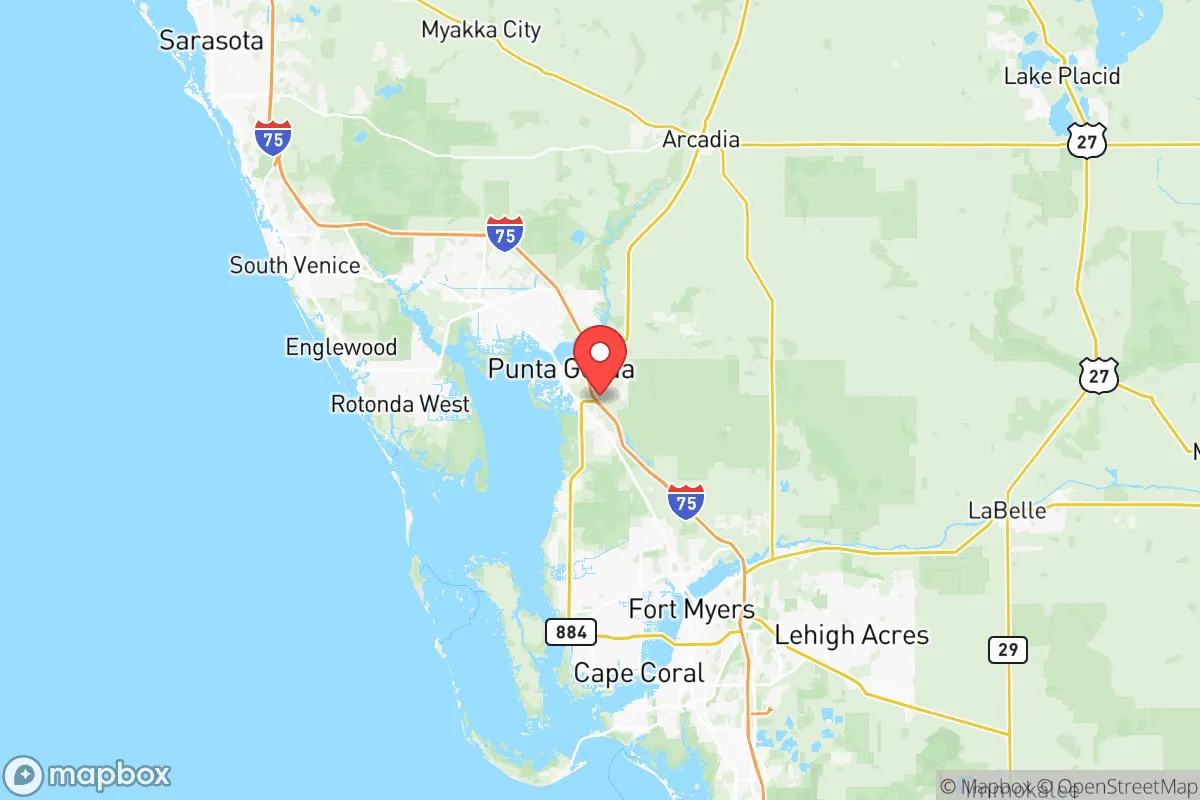
Charlotte County, Florida, offers a broad spectrum of living environments that range from the dense, amenity-rich coastal hub of Port Charlotte to the quiet, rural expanses of places like El Jobean and Cleveland. This diversity attracts a mix of retirees seeking active adult communities, families looking for affordable waterfront property, and agricultural workers drawn to the county's interior farmlands. The county's character shifts noticeably from the Gulf Coast inland, with each area presenting a distinct trade-off between convenience, space, and lifestyle pace.
Largest town(s) & population centers
Port Charlotte is the county's primary population center and commercial engine, home to roughly 60,000 residents. Daily life here revolves around the sprawling U.S. 41 corridor, which is lined with big-box retailers, chain restaurants, medical offices, and the major shopping hub of Port Charlotte Town Center. The area is defined by its extensive canal system — over 100 miles of navigable waterways — giving many homes direct Gulf access, which is a primary draw for boaters and anglers. Punta Gorda, the county seat, offers a contrasting, more walkable downtown experience centered on Fishermen's Village and the historic district along Charlotte Harbor. While smaller than Port Charlotte, Punta Gorda has a denser, more traditional small-city feel with a vibrant farmers market, art galleries, and a popular waterfront amphitheater. Both towns are heavily populated by retirees, though Punta Gorda's historic core attracts a slightly younger, more professional demographic drawn to its pedestrian-friendly layout.
Smaller towns & rural pockets
Moving inland and south, the county opens into unincorporated communities with a distinctly different character. El Jobean, situated along the Myakka River, is a sparsely populated, deeply rural area known for its mobile homes, fish camps, and the historic El Jobean Bridge. It attracts those seeking solitude and direct river access, with few commercial services. Cleveland, just east of Port Charlotte, is a small unincorporated community that feels more like a crossroads settlement, with a handful of local businesses and a strong agricultural presence. Placida and Grove City, on the southern edge of the county near the Gasparilla Sound, are tiny fishing villages with a mix of seasonal homes and working waterfronts, offering a slower pace than Port Charlotte but with higher property values due to their prime coastal locations. These areas lack the retail density of the north, meaning residents often commute 20-30 minutes for groceries or medical care.
Cost & lifestyle range
The cost of living across Charlotte County varies significantly by location and housing type. The county's overall cost-of-living index of 108 (slightly above the U.S. average) is driven largely by housing, with a median home value of $291,000 and median rent of $1,289. At the higher end, waterfront homes in Punta Gorda Isles and the canal-front neighborhoods of Port Charlotte routinely exceed $500,000, while newer construction in gated active-adult communities like Kings Gate (Punta Gorda) commands a premium for amenities and security. At the lower end, older homes and mobile homes in inland areas like El Jobean and Cleveland can be found for under $200,000, though these often require more maintenance and are farther from services. The average commute of 27.3 minutes reflects the spread between these rural pockets and the job centers in Port Charlotte and Punta Gorda, with residents of Placida or El Jobean often facing longer drives to reach the county's main employment hubs in healthcare, retail, and construction.
Families and retirees who prioritize boating access, proximity to shopping, and a dense social scene will find the best fit in Port Charlotte or Punta Gorda. Those who value land, privacy, and a slower, more self-sufficient lifestyle — and are willing to trade convenience for space — are better suited to the rural communities of El Jobean, Cleveland, or Placida. The county's strength lies in offering both extremes within a 30-minute drive, allowing residents to choose their preferred balance of amenity and isolation.

Crime in Charlotte County
Generally safer than 68% of comparable U.S. locations.
Violent CrimeViolent Crime Analysis
Property CrimeProperty Crime Analysis
Crime Analysis
Charlotte County, Florida, reports a violent crime rate of 207.9 incidents per 100,000 residents and a property crime rate of 901.5 per 100,000, placing it below the national average for violent offenses but slightly above the state median for property crimes. The county's overall safety profile is shaped by a mix of suburban communities along the Gulf Coast and more rural inland areas, with crime concentrated in specific corridors rather than spread uniformly. Residents in Punta Gorda and Port Charlotte generally experience lower violent crime rates than the Florida average, though property theft and vehicle break-ins remain persistent concerns, particularly in areas with higher rental turnover and seasonal tourism traffic.
Crime in context
Charlotte County's violent crime rate of 207.9 per 100,000 is roughly 40% lower than the national average of approximately 370 per 100,000 and significantly below Florida's statewide rate of about 380 per 100,000. Property crime, at 901.5 per 100,000, sits close to the Florida average of roughly 1,100 per 100,000 but is notably higher than in neighboring Sarasota County (around 750 per 100,000) and lower than in Lee County to the south (approximately 1,200 per 100,000). The county's 20th Judicial Circuit, which covers Charlotte, Lee, and Collier counties, has maintained a generally conservative prosecutorial approach under State Attorney Amira Fox, who has emphasized victim-centered policies and opposed progressive bail reform measures. This judicial philosophy contributes to Charlotte County's relatively stable crime trends compared to larger Florida metro areas where more lenient district attorneys have been associated with rising recidivism and property crime spikes.
What residents experience
Property crime, particularly larceny and motor vehicle theft, is the most common safety concern for Charlotte County residents. The unincorporated community of Port Charlotte accounts for a disproportionate share of reported thefts, especially along the US-41 corridor and near shopping centers like the Port Charlotte Town Center mall. Punta Gorda, the county seat, experiences lower property crime rates in its historic district and waterfront neighborhoods, though break-ins occasionally occur in areas with vacation rentals. Englewood, straddling the Charlotte-Sarasota county line, sees elevated property crime during the winter snowbird season when seasonal homes sit vacant. Violent crime is rare but not absent: aggravated assaults occur most frequently in the Deep Creek area and parts of northern Port Charlotte, often tied to domestic disputes rather than random attacks. The Charlotte Harbor community, with its mix of older mobile home parks and newer developments, reports moderate property crime but very low violent crime. Residents in Rotonda West, a planned community of about 10,000 homes, consistently report feeling safe, with crime rates well below the county average due to active neighborhood watch programs and limited commercial traffic.
Neighborhood-level variation in Charlotte County is significant and closely tied to housing density and proximity to major roads. Gated communities and waterfront enclaves in Punta Gorda Isles and Burnt Store Isles report near-zero violent crime and minimal property theft, while apartment complexes and rental-heavy subdivisions along Veterans Boulevard and Kings Highway in Port Charlotte see higher incident rates. The Charlotte County Sheriff's Office, which provides primary law enforcement for unincorporated areas, has maintained a proactive community policing model and publishes monthly crime maps that allow prospective residents to assess specific neighborhoods. For those considering relocation, the safest options within the county are generally the established single-family-home neighborhoods of Punta Gorda and Rotonda West, while the most caution is warranted in the higher-density rental corridors of central Port Charlotte and the Deep Creek area.
* Values derived from national, state, county, city and local statistics and may differ in a specific area. Last updated: 2026-07-31T18:28:42.000Z
Narrative content on this page is AI-generated and may contain mistakes. Verify any details that matter before acting on them.
ReloMaps may earn a commission from affiliate links at no extra cost to you.

