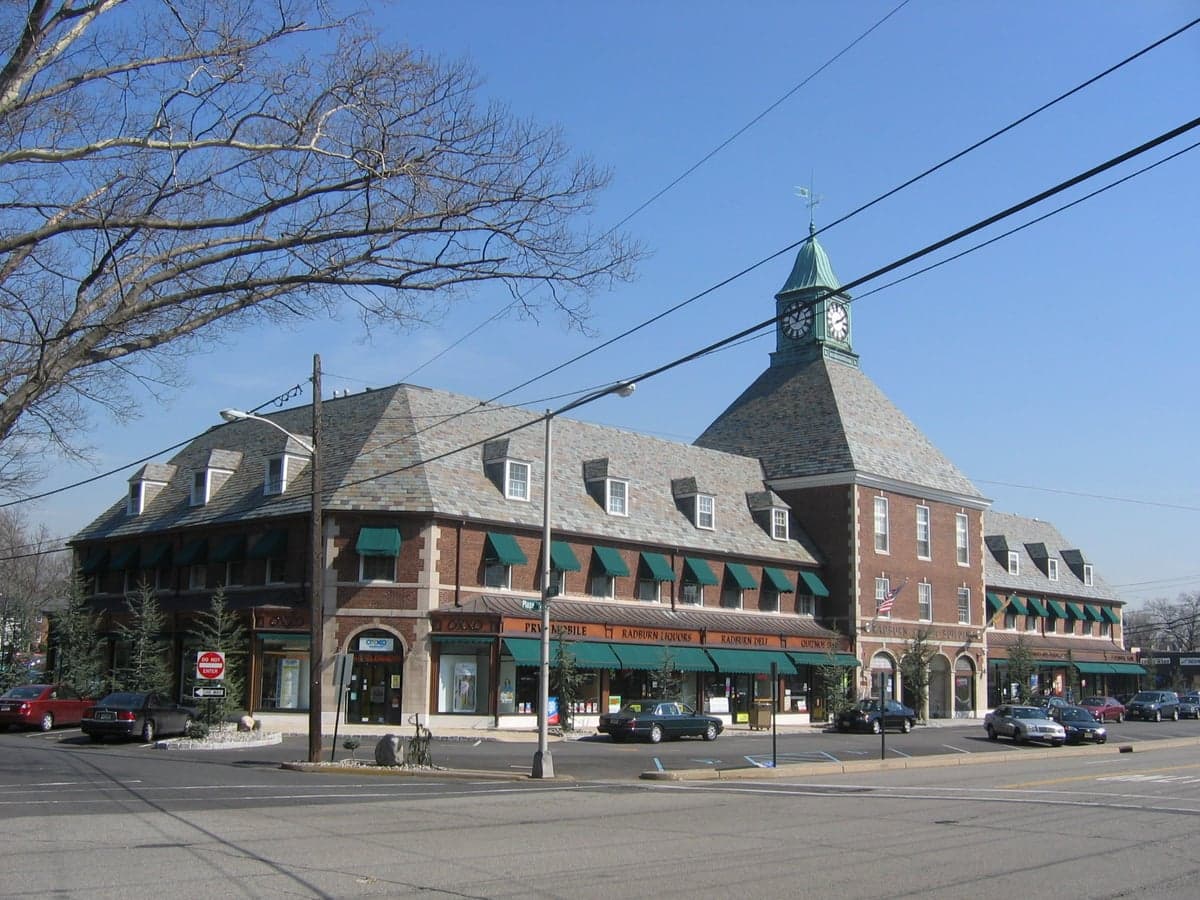
Photo: Wikipedia
Political ClimatePolitical Climate in Fair Lawn, NJ
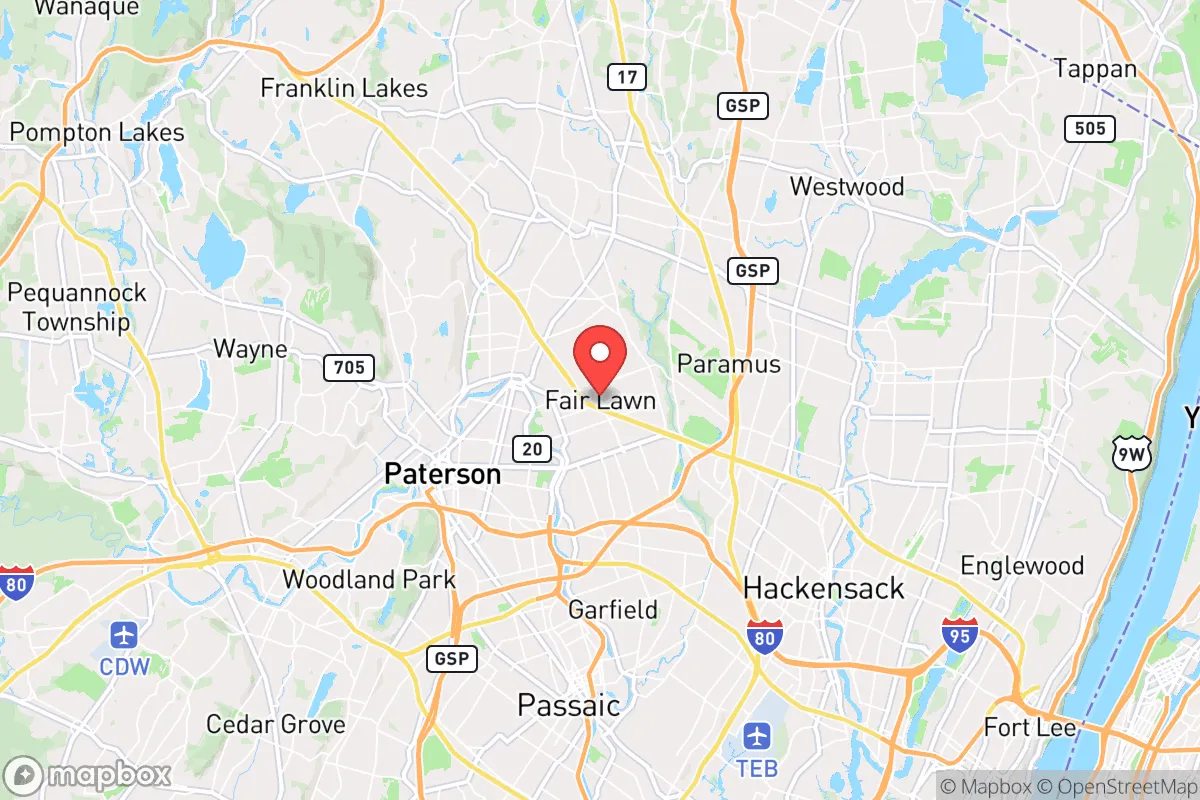
District shown is the primary district for this city’s centroid. Cities may span multiple districts.
Local Political AnalysisPolitical Analysis of Fair Lawn, NJ
Fair Lawn, New Jersey, has a Cook PVI of D+2, meaning it leans slightly Democratic compared to the national average, but that number doesn't tell the whole story. For a long time, this was a classic blue-collar, middle-class town where folks kept their politics close to the vest and expected the same from their government. Over the last decade, though, you've seen a real shift—not just in who wins elections, but in the kind of policies being pushed at the local level. The old-school, live-and-let-live vibe is getting squeezed by a more activist, progressive agenda that's creeping into everything from school boards to zoning boards.
How it compares
Fair Lawn sits in Bergen County, which has been trending blue for years, but the town itself is a bit of a bellwether. Drive 10 minutes west to Ridgewood, and you're in a town that's gone full progressive—think climate action plans and diversity, equity, and inclusion initiatives in the schools. Head east to Paterson, and you're in a different world entirely, with big-city machine politics. Fair Lawn used to be the sensible middle ground, but now you're seeing more of the Ridgewood-style activism bleeding in. The council races are getting tighter, and the school board meetings—once sleepy affairs about budgets—are now battlegrounds over curriculum and parental rights. The D+2 rating masks a real tension: a lot of residents still want low taxes, common-sense policing, and minimal government meddling, but the loudest voices in local politics are pushing for more regulation and social engineering.
What this means for residents
For a family just looking to live their lives, the biggest red flag is the slow creep of government overreach. Property taxes in Fair Lawn are already among the highest in the nation, and every new progressive initiative—whether it's a "sustainability" ordinance or a "diversity" training mandate for town employees—comes with a price tag. You're also seeing more pressure on small businesses, with extra fees and paperwork for things like outdoor dining permits or signage. The school system, which used to be a point of pride for its straightforward academics, is now being pulled into debates over critical race theory and gender ideology. If you value personal freedom—the right to raise your kids without the state telling you what's acceptable, or to run a business without a dozen new hoops to jump through—Fair Lawn is still a decent place, but you have to stay engaged. The trajectory is concerning: what was once a quiet, independent-minded suburb is slowly being reshaped by the same activist energy that's taken over bigger cities like Montclair or Maplewood.
One thing that still sets Fair Lawn apart is its strong sense of community—people know their neighbors, and there's a real resistance to being told how to live. The local Republican club is small but vocal, and you'll find plenty of Democrats who are fiscally conservative and socially moderate. But the long-term trend is worrying. As more young families move in from New York City and other deep-blue areas, they bring their politics with them. If you're considering a move here, keep an eye on the next few council elections. If the progressive wing consolidates power, expect more of the same: higher taxes, more mandates, and less room for the kind of personal liberty that made this town a great place to raise a family in the first place.

State Political ClimatePolitical Climate in New Jersey
State Political AnalysisPolitical Environment in the State
New Jersey has long been one of the most reliably Democratic states in the nation, but don’t let the blue veneer fool you—there’s a deep red streak running through its suburbs and rural corners that’s been fighting for air for decades. The state hasn’t voted for a Republican for president since George H.W. Bush in 1988, and Democrats hold every statewide office and both chambers of the legislature. But the real story is the growing urban vs. rural divide, with places like Hunterdon County and Sussex County voting +20 to +30 points Republican in 2024, while Newark and Jersey City deliver 80%+ Democratic margins. Over the last 10-20 years, the state has shifted left on social issues and taxes, but a stubborn conservative minority—especially in the northwest and along the shore—keeps the culture war alive.
Urban vs. rural divide
The political map of New Jersey is a tale of two states. The urban core—Newark, Jersey City, Paterson, and Camden—is deep blue, driven by dense populations, strong union presence, and large minority communities that reliably vote Democratic. These cities are the engine of the state’s leftward tilt, with turnout machines that can swing primaries and general elections alike. Meanwhile, the suburbs and exurbs tell a different story. Hunterdon County and Sussex County are reliably Republican, with Morris County and Monmouth County trending purple but still capable of electing GOP county executives and state legislators. The Jersey Shore towns like Ocean County (home to Toms River) are a GOP stronghold, fueled by retirees, law enforcement families, and a strong “live and let live” ethos. The divide isn’t just about geography—it’s about lifestyle: urban renters vs. suburban homeowners, public transit commuters vs. car-dependent families, and a cultural split over taxes, schools, and personal freedom.
Policy environment
New Jersey’s policy environment is a mixed bag that leans heavily toward government intervention. The state has one of the highest combined state and local tax burdens in the country, with property taxes averaging over $9,500 per household—a constant source of frustration for homeowners. The income tax is progressive, topping out at 10.75% for earners over $1 million, but the middle class feels the squeeze. On education, the state spends more per pupil than almost any other, but the results are uneven: wealthy suburbs like Millburn and Princeton have top-tier schools, while urban districts in Camden and Newark struggle with bureaucracy and low graduation rates. Healthcare is heavily regulated, with a state-based exchange under the Affordable Care Act and strict insurance mandates. Election laws are relatively liberal: no-excuse mail-in voting, automatic voter registration at the DMV, and same-day registration are all in place. For a conservative, the policy environment feels like a slow squeeze—high taxes, heavy regulation, and a government that’s quick to step into your life, from school curriculum to gun laws.
Trajectory & freedom
Over the last decade, New Jersey has become less free by almost any measure a conservative would care about. The state passed some of the strictest gun laws in the nation, including a 2022 law requiring a “justifiable need” for a carry permit (later struck down by the Supreme Court in Bruen), and a 2023 law banning carry in most public places. Parental rights took a hit with the 2022 law requiring schools to adopt “inclusive” curriculum on sexual orientation and gender identity, with no opt-out for parents—a flashpoint that led to school board protests across Morris County and Monmouth County. Medical autonomy was curtailed during COVID with some of the longest-lasting mask mandates in the country, and the state still has a vaccine mandate for healthcare workers. Property rights are under constant threat from the state’s aggressive use of eminent domain and the Mount Laurel Doctrine, which forces towns to build affordable housing—often overriding local zoning. On the plus side, the state did repeal its “blue laws” in some counties, and there’s been a modest push for school choice via charter schools, but overall, the trajectory is toward more government control, not less.
Civil unrest & political movements
New Jersey has seen its share of political flashpoints. The 2020 Black Lives Matter protests in Newark and Jersey City were large and occasionally violent, leading to property damage and a lasting tension between police and activists. The state’s sanctuary policies—including a 2018 law limiting cooperation with ICE—have made it a magnet for immigration debates, with towns like Freehold and Perth Amboy seeing clashes over local enforcement. On the right, the “Parents’ Rights” movement exploded in 2021-2022, with packed school board meetings in Bridgewater and Middletown over critical race theory and LGBTQ curriculum. Election integrity has been a hot-button issue since 2020, with Republican activists questioning the state’s widespread use of mail-in ballots and the lack of voter ID requirements. The “New Jersey is not a state” secession joke has been around for decades, but there’s a real undercurrent of frustration—especially in the rural northwest—where some residents talk about moving to Pennsylvania or Florida. A new resident would notice the political tension is real, but it’s mostly fought in school board meetings and county committee elections, not in the streets.
Projection
Looking ahead 5-10 years, New Jersey is likely to become more Democratic and more progressive, but with a growing conservative backlash. The state’s population is aging and shrinking in rural areas, while the urban core is growing via immigration and young professionals. The 2020 census cost the state a congressional seat, and the trend lines suggest more of the same. However, the suburban revolt over taxes and schools could flip a few legislative districts in places like Morris County and Monmouth County, especially if the state keeps raising property taxes. The parental rights movement is not going away—it’s becoming a permanent feature of local politics. A new resident moving in now should expect a state where the government is deeply involved in your life, from your kids’ education to your gun safe to your property taxes. The freedom you’ll find is in the pockets—choose a town like Hunterdon County if you want low taxes and local control, or Jersey City if you want urban amenities and don’t mind the bureaucracy. The state is not going to flip red anytime soon, but the culture war is alive and well.
For a conservative considering a move to New Jersey, the bottom line is this: you can find your tribe, but you’ll pay for it. The taxes are high, the regulations are thick, and the government will be in your business. But if you pick the right town—Hunterdon County for rural freedom, Ocean County for a retiree-friendly vibe, or Morris County for a suburban middle ground—you can carve out a life that respects your values. Just know that the state government in Trenton will always be working against you, and the fight for local control is a constant. If you’re willing to pay the price and stay engaged, New Jersey can still offer a good life—but it’s not for the faint of heart or the light of wallet.
* Values derived from national, state, county, city and local statistics and may differ in a specific area. Last updated: 2026-04-29T19:21:50.000Z
Narrative content on this page is AI-generated and may contain mistakes. Verify any details that matter before acting on them.
ReloMaps may earn a commission from affiliate links at no extra cost to you.

