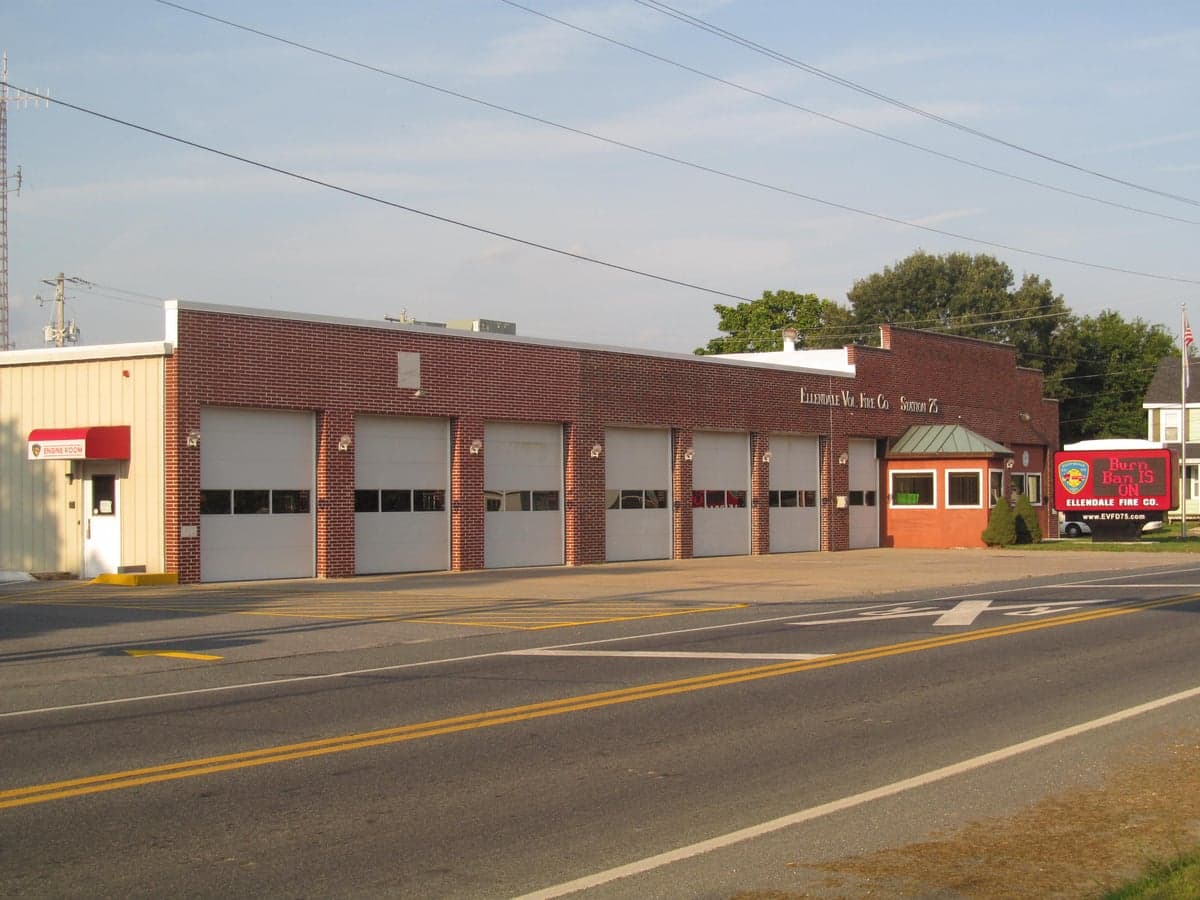
Photo: Wikipedia
Political ClimatePolitical Climate in Ellendale, DE
District shown is the primary district for this city’s centroid. Cities may span multiple districts.
Inherited from parent state — no local data available.
Local Political AnalysisPolitical Analysis of Ellendale, DE
Ellendale, Delaware, has a Cook PVI of D+8, meaning it leans significantly more Democratic than the national average by eight points. That’s a pretty stark shift from what folks around here remember from even twenty years ago, when the town was a quiet, conservative-leaning farming community where people mostly kept to themselves and didn’t expect much from the government except to stay out of the way. Today, you’ll see more progressive energy in local elections and community boards, and the trajectory feels like it’s accelerating toward a more activist, top-down style of governance that rubs a lot of the old-timers the wrong way.
How it compares
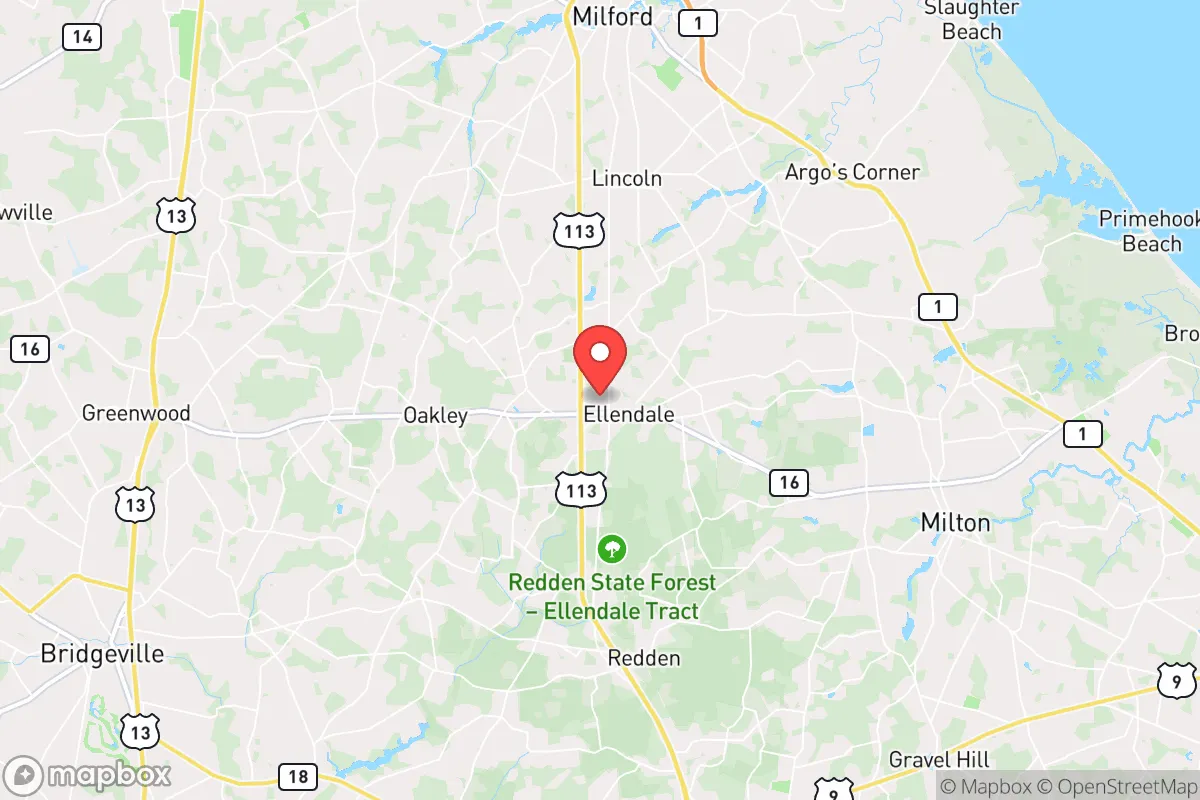
Ellendale sits in Sussex County, which historically has been the most conservative part of Delaware, but the town itself is an outlier. Drive ten miles north to Milford, and you’ll find a more mixed political landscape—still some red, but with a growing blue streak thanks to new development. Head south to Georgetown, the county seat, and you’re in a place that’s still reliably Republican, with a strong rural, agricultural base that votes against tax hikes and zoning overreach. Ellendale, though, has become a bit of a progressive island in that conservative sea. The D+8 rating reflects not just the town’s own voters but also the influence of new residents moving in from more liberal areas like New Castle County or even out-of-state, bringing with them ideas about expanding government programs, stricter land-use rules, and more social engineering from Dover. It’s a real contrast to the surrounding towns where folks still believe the best government is the one you barely notice.
What this means for residents
For those of us who’ve lived here a while, the political shift means keeping a closer eye on local ordinances and school board decisions. You’re seeing more proposals for things like mandatory affordable housing set-asides, tighter environmental regulations on private property, and diversity, equity, and inclusion training for town employees—all of which sound nice on paper but often come with a heavy hand. Property taxes have crept up as the town takes on more social programs, and there’s a growing sense that your personal freedoms—like what you do with your own land or how you run your small business—are getting squeezed. The long-term concern is that Ellendale could become a test case for progressive policies that don’t really fit a small, rural community, and once those rules are in place, they’re hard to roll back. If you value being left alone to live your life without a lot of bureaucratic interference, you’ll want to pay close attention to who’s running for town council and what they’re promising.
One cultural distinction that stands out is how the town’s identity is changing. Ellendale used to be known for its annual festivals and a strong sense of neighbor-helping-neighbor, not for political activism. Now, you’ll see more yard signs for progressive candidates and more chatter about state-level mandates on things like energy efficiency and school curriculum. The local gun club, which used to be a quiet gathering spot, has become a bit more vocal about Second Amendment rights as they feel the squeeze from Dover. In the near term, expect more friction between the old guard and the newcomers, especially around property rights and local control. Long term, if the progressive trend holds, Ellendale could lose its small-town character entirely, becoming just another bedroom community with a government that thinks it knows better than you do. It’s not a crisis yet, but it’s a trend worth watching if you’re thinking about putting down roots here.

State Political ClimatePolitical Climate in Delaware
State Political AnalysisPolitical Environment in the State
Delaware has long been a blue state in presidential elections, but its political climate is far more nuanced than the statewide vote suggests, with a deep urban-rural split and a recent rightward shift in key areas. The state’s dominant coalition is anchored by the heavily Democratic, densely populated northern corridor—New Castle County—which reliably delivers 60%+ margins for Democrats, while the more rural and suburban counties of Kent and Sussex have been trending red, with Sussex County voting +18 for Trump in 2024. Over the last 20 years, the state has moved from a solidly blue bastion to a more competitive battleground, driven by an influx of conservative-leaning retirees and families from the Mid-Atlantic, particularly into Sussex County’s beach communities and farmland.
Urban vs. rural divide
The political map of Delaware is essentially a tale of three counties. New Castle County, home to Wilmington and the suburbs of Newark and Bear, is the Democratic engine—Wilmington alone delivers about 15% of the state’s vote with margins north of 75% for Democrats. The city’s economy is tied to banking, legal services, and the University of Delaware, which fosters a progressive, college-educated base. In contrast, Sussex County—including towns like Lewes, Rehoboth Beach, and the rapidly growing Milton—has become a Republican stronghold, fueled by retirees from Pennsylvania, New Jersey, and Maryland who are fleeing higher taxes and progressive policies. Kent County, with its capital Dover and the city of Milford, is a true swing area; Dover itself leans Democratic due to its African American and government-worker population, but the surrounding farm country votes heavily Republican. The divide is stark: drive 20 minutes south of Dover and you’ll go from a city council that passed a sanctuary resolution to a county where “Don’t Tread on Me” flags fly from pickup trucks.
Policy environment
Delaware’s policy environment is a mixed bag for conservatives. On the plus side, there is no state sales tax, and property taxes are among the lowest in the nation—roughly 0.5% of assessed value, which is a major draw for retirees. However, the state income tax is progressive, topping out at 6.6% for high earners, and the corporate franchise tax is a burden for small businesses. The regulatory posture is generally business-friendly for large corporations (thanks to the Court of Chancery), but small business owners in Sussex County complain about permitting delays and environmental regulations on coastal development. Education policy is a flashpoint: the state has a universal school choice program that allows open enrollment across district lines, but it’s not a voucher system, and the teachers’ union is powerful. In 2023, Governor John Carney signed a law requiring all public schools to teach “inclusive” history standards that many parents see as critical race theory lite. Election laws are a concern: Delaware has no voter ID requirement, same-day registration, and no-excuse absentee voting, which conservatives argue opens the door to fraud—though no major scandals have emerged. Healthcare policy is heavily regulated, with the state expanding Medicaid under Obamacare and imposing price controls on insulin, which drives up costs for private insurers.
Trajectory & freedom
Delaware is on a concerning trajectory for personal freedom, with recent legislation expanding government overreach in several key areas. Gun rights have taken a major hit: in 2022, the state passed a ban on “assault weapons” and high-capacity magazines, along with a permit-to-purchase law that requires a background check and a 10-day waiting period. The law is being challenged in court, but it’s currently in effect. Parental rights are under assault: in 2024, the legislature overrode Carney’s veto to pass a law that prohibits schools from notifying parents if a child changes their gender identity or pronouns, effectively creating a secret policy. Medical autonomy is also eroding—the state has a strict vaccine mandate for schoolchildren, with no philosophical exemption, and in 2023 it passed a law allowing minors to consent to gender-affirming care without parental knowledge. Property rights are relatively strong, with no statewide rent control, but coastal towns like Lewes have imposed strict short-term rental bans that limit how homeowners can use their property. The overall trend is clear: the northern corridor’s progressive majority is pushing the state left, while the rural south fights a rear-guard action.
Civil unrest & political movements
Delaware has seen its share of political flashpoints, though not at the scale of larger states. In 2020, Wilmington experienced several nights of protests and looting following George Floyd’s death, with businesses boarded up for weeks. The state’s sanctuary policy—Dover and Wilmington both have “Welcoming City” ordinances that limit cooperation with ICE—has become a rallying cry for conservatives, especially after a 2023 incident where an illegal immigrant from Guatemala was charged with a violent crime in Milford. The election integrity debate is hot: in 2022, the state’s Department of Elections was sued for failing to purge deceased voters from the rolls, and a 2024 audit found over 1,000 duplicate registrations. On the right, the Sussex County Republican Party has grown militant, with local groups like the “Delaware Patriots” holding monthly meetings that draw hundreds. On the left, the progressive group “Delaware Rising” has pushed for defunding the police and rent control, though with limited success. The most visible flashpoint for a new resident would be the annual “Delaware State Fair” in Harrington, where political booths from both sides often lead to heated arguments.
Projection
Over the next 5-10 years, Delaware is likely to become more polarized, with the northern counties solidifying their progressive tilt and the southern counties becoming more conservative. Demographic trends favor the right: Sussex County is the fastest-growing in the state, adding about 3,000 new residents per year, mostly from blue states. If that trend continues, the state could flip to a purple or even red lean in statewide elections by 2032—but only if the GOP can break the Democratic stranglehold on New Castle County. The wild card is the growing Hispanic population in Sussex County, which is currently split but leans Democratic. For a new resident, expect the policy environment to remain hostile to gun rights and parental rights in the near term, but with a growing conservative counterweight in the south. The state’s low taxes and coastal beauty will continue to attract migrants, but the cultural war will intensify.
Bottom line: Delaware offers low taxes and a beautiful coastline, but if you value gun rights, parental control over your kids’ education, and limited government, you’ll want to settle in Sussex County—specifically towns like Milton, Georgetown, or Lewes—and brace for a fight. The northern corridor is a lost cause for conservatives, but the south is fighting back, and your vote could help tip the balance. Just don’t expect the state government to have your back anytime soon.
* Values derived from national, state, county, city and local statistics and may differ in a specific area. Last updated: 2026-04-23T00:41:31.000Z
Narrative content on this page is AI-generated and may contain mistakes. Verify any details that matter before acting on them.
ReloMaps may earn a commission from affiliate links at no extra cost to you.

