Photo: Wikipedia
Quality of Life in Devils Lake, ND
A high quality of life with strong walkability, manageable living costs, healthy neighborhood signals, and solid amenity access.
What does Quality of Life tell us?
Quality of Life blends cost of living, nearby amenities, socioeconomic signals, and neighborhood character. City-level scores represent the whole municipality; individual neighborhoods can differ.
What does this tell us?
Quality of Life blends cost of living, nearby amenities, socioeconomic signals, and neighborhood character. City-level scores represent the whole municipality; individual neighborhoods can differ.
Cost of Living
41% below national average
The Real Cost of Living in Devils Lake, ND for 2026
| Tier | Individual | Family (4) |
|---|---|---|
| Survival | $11k | $20k |
| Comfortable | $33k | $49k |
| Luxury | $77k+ | $120k+ |
| Elite (Top 5%) | $101k+ | $157k+ |
88%
The Area Signal
A metric tracking the socioeconomic signals of the area.


Limited data for this area
Limited data for this area
Hobbies
Explore the areaGroceries
4 within 10 miles
Gas
0 within 10 miles
Hospital
3 within 20 miles
Airport
JFK — John F. Kennedy Memorial
Post Office
USPS — Devils Lake, ND
Critical Amenities
Quality-of-Life Analysis
Devils Lake, North Dakota, presents a quality of life defined by extreme affordability and a tight-knit, predominantly blue-collar and retired demographic. With a cost of living index of 59—41% below the national average—the city attracts residents seeking financial breathing room, particularly those in agriculture, healthcare, and the local service industry. The population of roughly 7,000 is notably older and more economically stable than the national median, with a median household income that, while modest, stretches significantly further here than in almost any other part of the country.
How housing costs and everyday expenses compare to nearby cities
The most striking feature of life in Devils Lake is its housing market. The median home value sits at $171,000, a figure that is roughly half the national median and significantly lower than in North Dakota's larger cities like Fargo (where the median exceeds $300,000) or even Grand Forks (around $250,000). Renters fare even better, with a median monthly rent of just $678—a rate that is nearly 40% below the U.S. average. This affordability extends to utilities, groceries, and transportation, all of which track below national norms. The average one-way commute is a remarkably short 18 minutes, a figure that reflects the city's compact layout and minimal traffic congestion, saving residents both time and fuel costs compared to commuters in larger metro areas. For a family or retiree on a fixed income, this combination of low housing costs and short commutes effectively increases disposable income by thousands of dollars annually versus living in a state like Minnesota or Colorado.
What daily life is like for families, retirees, and outdoor enthusiasts
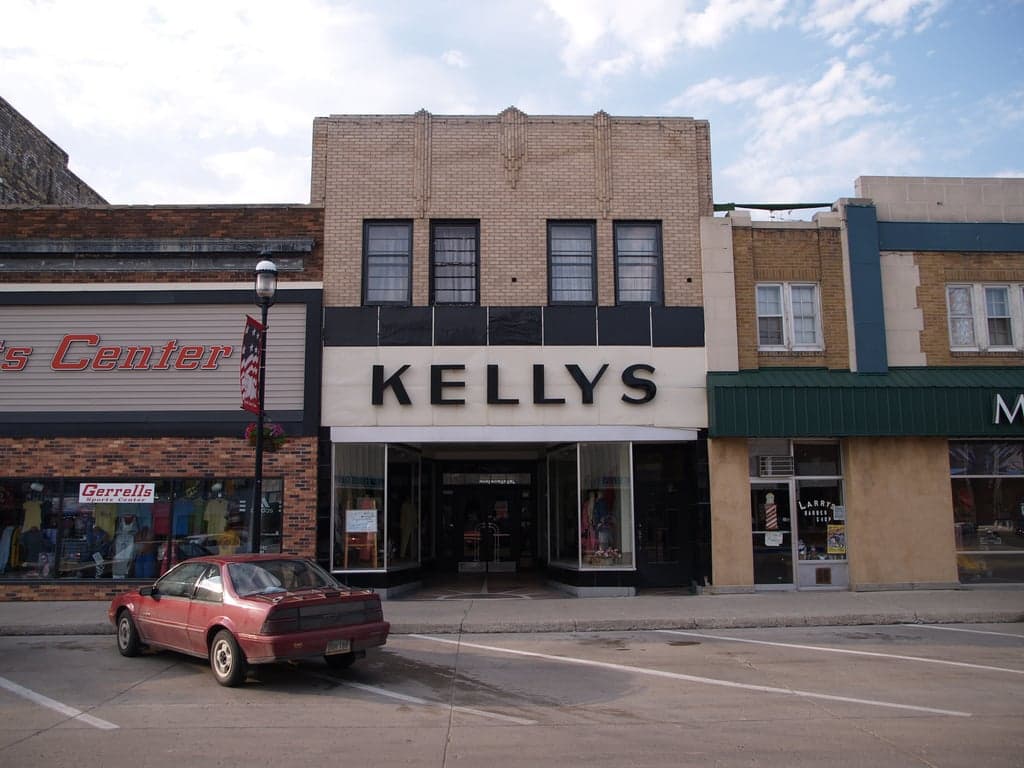
Daily life in Devils Lake revolves around the lake itself—the largest natural body of water in North Dakota—and the seasonal rhythms of fishing, hunting, and ice sports. The Devils Lake School District serves the community with three elementary schools, a middle school, and a high school, and while academic rankings are average by state standards, class sizes are small and teacher-to-student ratios are favorable. Lake Region State College provides two-year degrees and workforce training, anchoring the local education and cultural scene. Amenities include a modern hospital (CHI St. Alexius Health), a public library, and a modest downtown with locally owned restaurants and shops. The city lacks the retail density of a regional hub like Grand Forks (a 90-minute drive), so residents often plan shopping trips accordingly. For outdoor recreation, the lake offers world-class walleye fishing, boating, and birding at the nearby J. Clark Salyer National Wildlife Refuge. Winters are long and harsh, with average January highs around 15°F, which limits outdoor activity for some but supports ice fishing and snowmobiling. The pace of life is slow, neighborly, and predictable—a deliberate contrast to the hustle of larger cities.
Devils Lake is best suited for people who prioritize financial stability and outdoor recreation over urban amenities and career diversity. Retirees on fixed incomes, remote workers seeking a low-cost base, and families involved in agriculture or the energy sector will find the economics compelling. Those who thrive here are self-reliant, comfortable with extreme winter weather, and value a community where neighbors know each other by name. Conversely, young professionals seeking nightlife, diverse dining, or rapid career advancement will likely find the options limited. For the right person, Devils Lake offers a rare combination of low stress, low cost, and high access to nature that is increasingly hard to find in the United States.

Crime in Devils Lake, ND
Lower crime rates than 80% of comparable U.S. locations.
Violent CrimeViolent Crime Analysis
Property CrimeProperty Crime Analysis
Crime Analysis
Devils Lake, North Dakota, presents a mixed safety profile for potential residents. The city’s violent crime rate of 191.4 incidents per 100,000 people is notably lower than the national average, but its property crime rate of 1,380.5 per 100,000 exceeds both state and national benchmarks, making property theft and vandalism the primary public safety concerns. This combination means that while violent confrontations are relatively rare, residents face a higher-than-average risk of burglary, larceny, and vehicle break-ins.
Crime in context
When compared to statewide data for North Dakota, Devils Lake’s violent crime rate is roughly in line with the state average, which hovers around 200 per 100,000. However, the city’s property crime rate is significantly elevated—approximately 30% higher than the North Dakota average of roughly 1,060 per 100,000. Nationally, the U.S. property crime rate sits near 1,950 per 100,000, so Devils Lake’s figure is actually below the national average, but it stands out as a local concern because it is substantially above the typical experience in most North Dakota communities. The disparity suggests that property crime is a localized issue, likely concentrated in specific areas or tied to seasonal economic activity.
What residents experience
Day-to-day life in Devils Lake is generally safe from violent threats, with most residents reporting that serious assaults and robberies are uncommon. The primary nuisance is property crime, which often targets unlocked vehicles, outdoor equipment, and seasonal homes. The city’s justice system operates under a conservative legal framework typical of North Dakota, where judges and prosecutors generally prioritize public safety and victim restitution. This stands in contrast to jurisdictions with progressive district attorneys who may emphasize offender rehabilitation over incarceration—a philosophy that, in practice, can lead to higher recidivism and more criminals on the street. In Devils Lake, the local approach tends to produce more predictable consequences for property offenders, which helps maintain a baseline of order but does not fully eliminate the property crime problem.
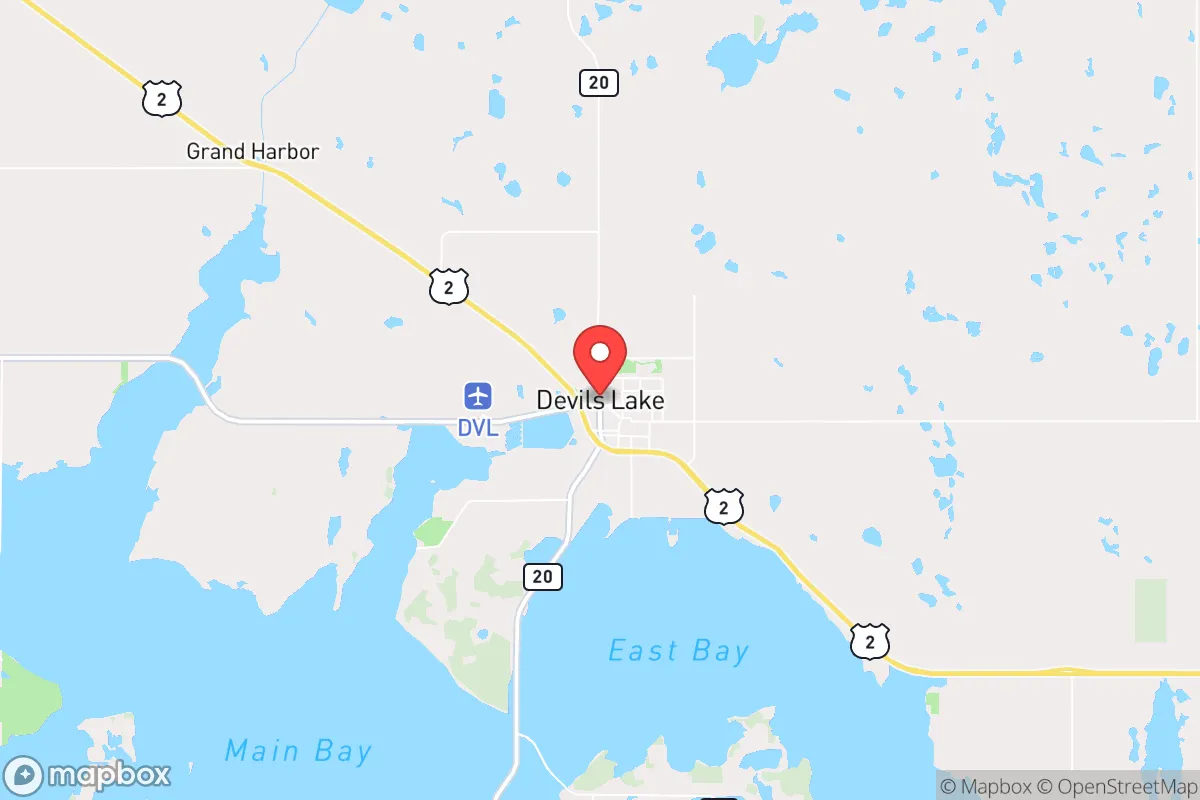
Neighborhood-level variation is modest but noticeable. Areas closer to the downtown core and near the lake’s recreational access points see higher rates of petty theft and vandalism, particularly during the summer tourist season. Residential subdivisions on the city’s outskirts, such as those along Highway 20, report fewer incidents. For newcomers, the most effective precaution is securing vehicles and outbuildings, as opportunistic theft is the dominant crime pattern. Overall, Devils Lake offers a low risk of violent victimization but requires vigilance against property crime, especially in higher-traffic zones.
* Values derived from national, state, county, city and local statistics and may differ in a specific area. Last updated: 2026-04-19T08:58:25.000Z
Narrative content on this page is AI-generated and may contain mistakes. Verify any details that matter before acting on them.
ReloMaps may earn a commission from affiliate links at no extra cost to you.

