Photo: Wikipedia
Strategic Assessment of Delaware City, DE
Multiple tactical vulnerabilities. Population density, target proximity, or disaster risk are likely compounding. A retreat property and exit planning is required.
What does the Strategic Assessment tell us?
Our Strategic Assessment grades tactical survivability of an area. Major population centers, military targets, fallout zones, natural disasters, and border exposure all drive risk — lower exposure means a more defensible position in a crisis.
This is heavily inspired by Joel Skousen's Strategic Relocation book. Highly recommended you checkout the book ($)What does this tell us?
Our Strategic Assessment grades tactical survivability of an area. Major population centers, military targets, fallout zones, natural disasters, and border exposure all drive risk — lower exposure means a more defensible position in a crisis.
This is heavily inspired by Joel Skousen's Strategic Relocation book. Highly recommended you checkout the book ($)Strategic Pillars

Key Distances
Regional Safe Places
Below is our recommended "safe zones" in Delaware and the surrounding area based on our strategic heuristics. For most people, it's unrealistic to live in a “safe zone” full-time due to work, family or other personal reasons. They tend to be more rural. However, many of these areas are perfect for second homes and retreat properties that double as a vacation home or even a short-term rental.
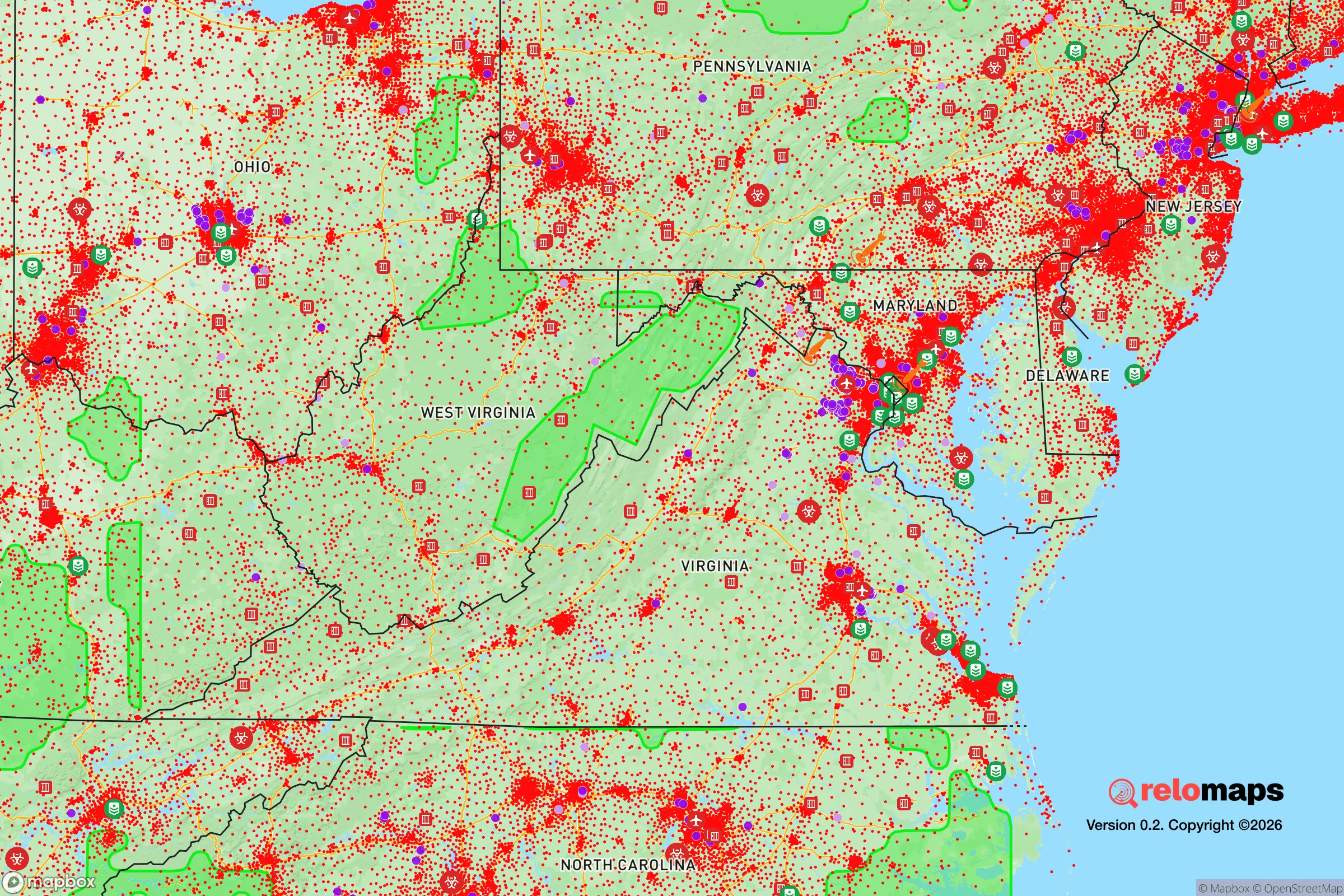
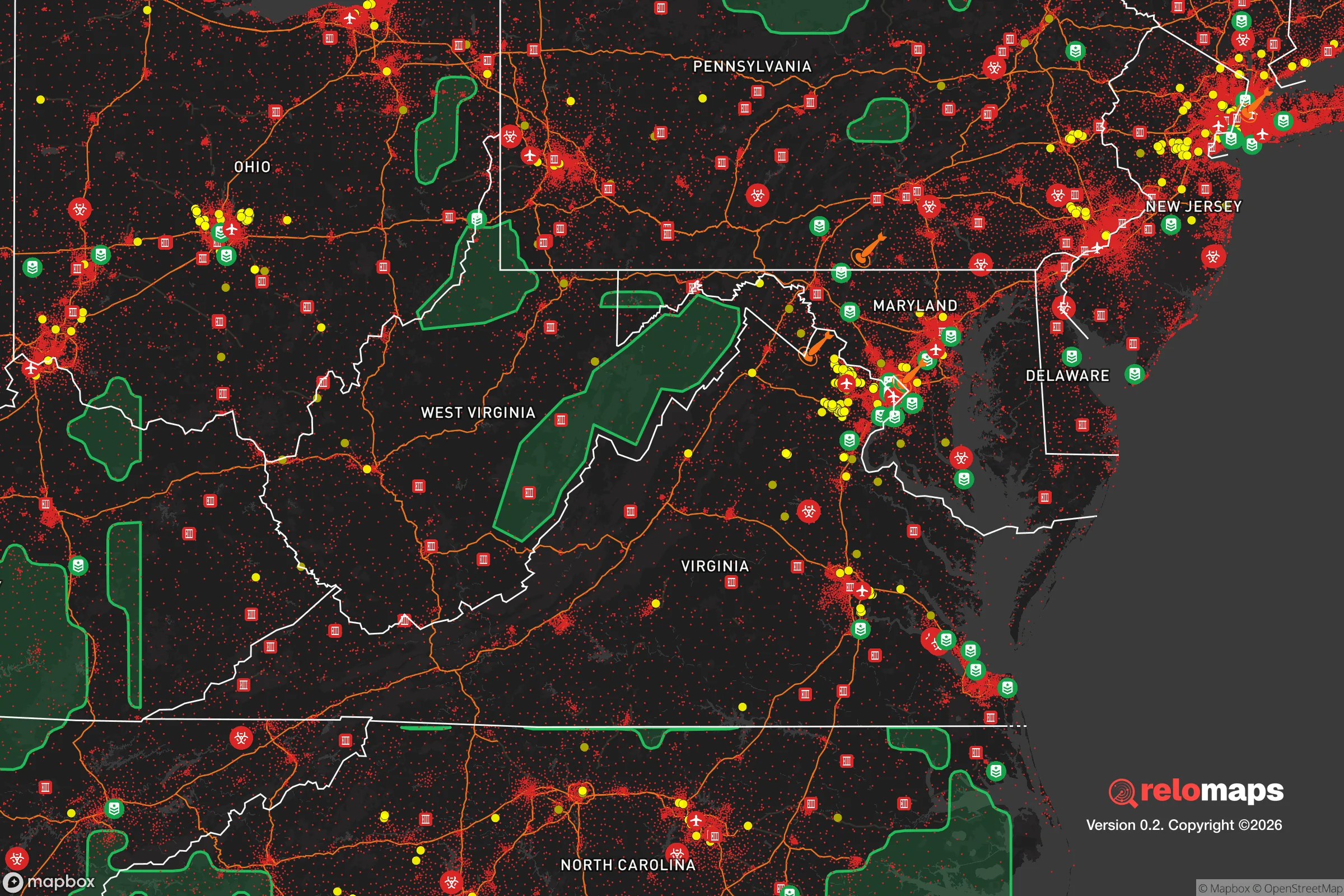


Important Note: For informational purposes only. This does not mean nothing bad ever happens in the green zones. Please use common sense. This is based on public data and modeled with AI. We tried to take a conservative approach but mistakes happen. We update this regularly as new information becomes available.
Solar Generator Recommendations
Backup power matters more here than in safer locations. We've picked three solar generators across budgets and capacity tiers — start with the budget unit if you only need a few essentials, or step up if you want to run a fridge and HVAC for days at a time.

Jackery Portable Power Station Explorer 300
Budget OptionPower on the Go: Weighing only 11 lbs, it's convenient to set up and store with book-sized foldable solar panels

BLUETTI Portable Power Station AC180
Designed for both indoor and outdoor scenarios, AC180 is highly capable as it has a robost capacity and continuous output power.

EF ECOFLOW DELTA Pro Ultra Power Station
Upgraded PickEcoFlow DELTA Pro Ultra is a whole-home energy system designed to grow with your family. Integrated with the Smart Home Panel 2, it scales to meet your evolving energy needs — keeping your home powered, intelligent, and secure through every stage of life.
We earn a commission, at no additional cost to you.
Strategic Assessment Analysis
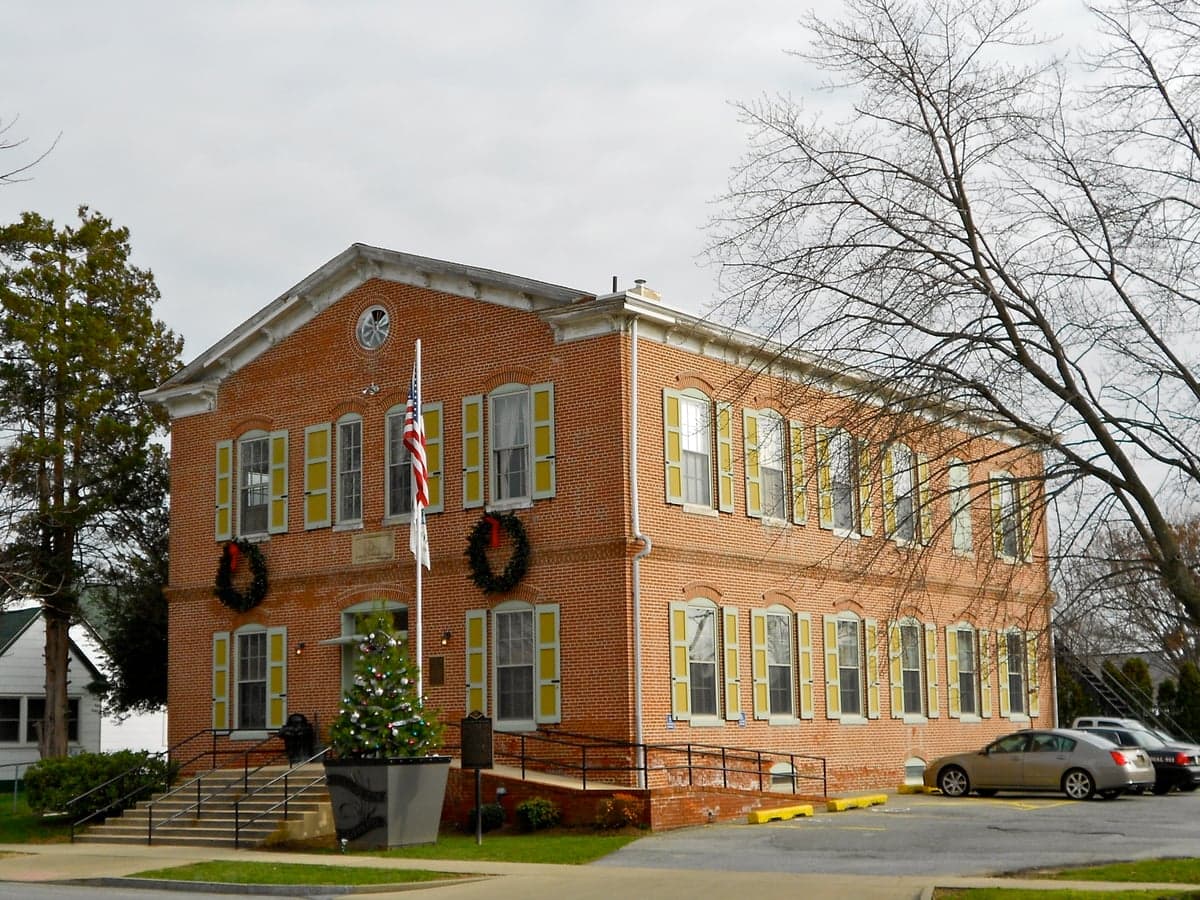
Delaware City, Delaware, sits in a precarious but potentially strategic pocket along the eastern seaboard, offering a mix of natural barriers and unnerving proximity to high-value targets. For the prepper or conservative relocator looking at the Mid-Atlantic, this small town of roughly 1,700 people presents a resilience profile that demands a hard look at both its geographic buffers and its exposure to fallout from nearby critical infrastructure. The area’s location on the Delaware River, with the Chesapeake & Delaware Canal cutting just to the south, gives it a maritime isolation that can be a double-edged sword—harder to approach, but also harder to leave if things go sideways.
Geographic position and natural advantages for long-term survival
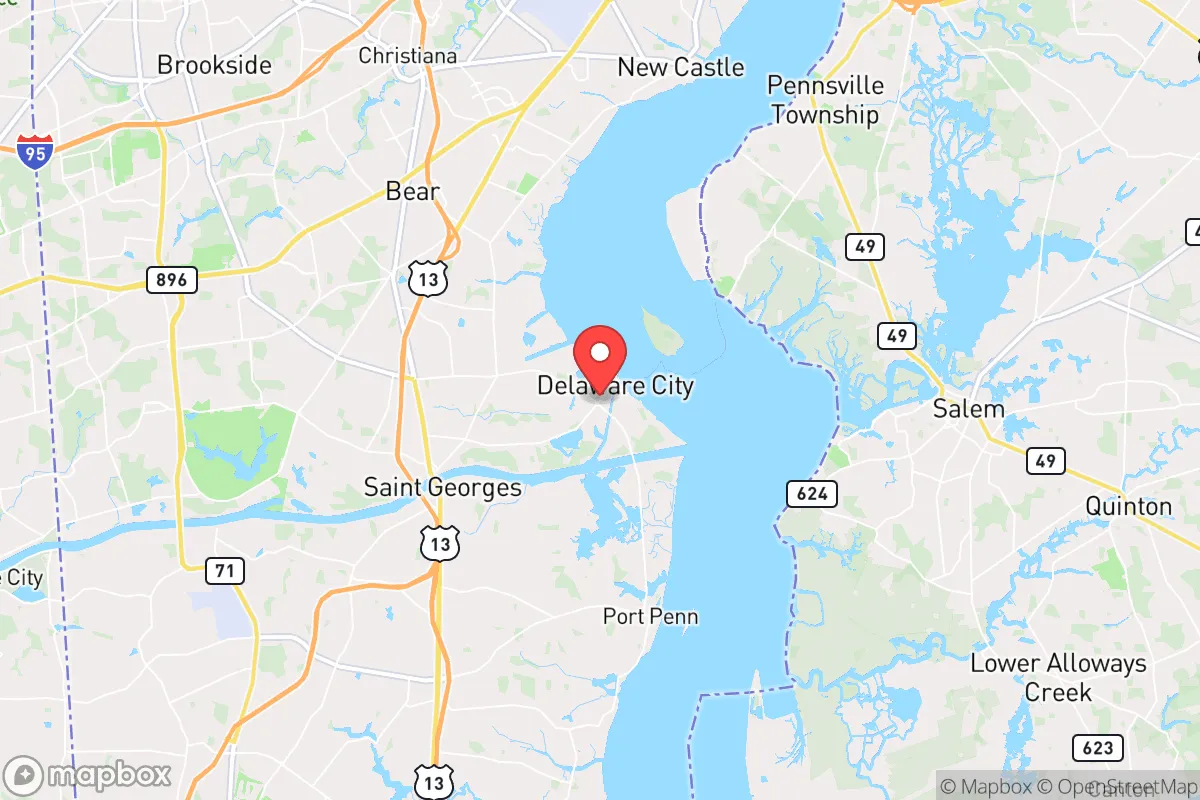
Delaware City’s primary strategic asset is its position on the Delaware River, roughly 40 miles south of Philadelphia and 30 miles east of Baltimore, but separated from those urban centers by significant water barriers and rural buffer zones. The town sits on a peninsula formed by the river to the east and the C&D Canal to the south, creating a natural choke point that limits vehicle access to essentially two routes: Route 9 from the north and Route 72 from the west. This geographic funnel makes the area inherently more defensible than a sprawling suburb—anyone approaching by land must pass through a narrow corridor that can be observed or controlled. The surrounding Bombay Hook National Wildlife Refuge and Little Creek Wildlife Area provide miles of marshland and tidal creeks that are impassable to vehicles and difficult to traverse on foot, offering a soft perimeter that most urban threats would avoid. For a relocator focused on long-term sustainability, the proximity to the Delaware Bay means access to tidal fishing, crabbing, and waterfowl hunting that can supplement food stores indefinitely. The flat, coastal terrain also supports small-scale agriculture, though the soil is sandy and requires amendment—something a prepared individual can manage with compost and raised beds.
Risks, exposures, and proximity to fallout-relevant landmarks
This is where the analysis gets sobering. Delaware City is uncomfortably close to several high-consequence targets that would be primary or secondary objectives in any major conflict or terrorist campaign. The Delaware City Refinery (PBF Energy) sits literally on the town’s eastern edge—a massive petroleum processing facility that would be a prime target for sabotage, drone attack, or conventional strike. A catastrophic failure there could release toxic clouds, ignite fires, or contaminate groundwater for miles. Additionally, the Salem Nuclear Generating Station is just 12 miles upriver in New Jersey, and the Hope Creek Nuclear Plant is adjacent to it. A meltdown or attack at either facility would put Delaware City directly in the prevailing wind path, with fallout potentially reaching the area within hours. The C&D Canal is a strategic maritime chokepoint used by military and commercial shipping; any disruption there—whether from naval conflict or sabotage—would draw secondary effects like road closures, military checkpoints, and supply chain interruptions. On the civil unrest front, Wilmington (25 miles north) and Philadelphia (40 miles north) are both cities with histories of protest, crime, and potential for escalation. While Delaware City itself is quiet, its single-road access means that any unrest spilling south from Wilmington on Route 9 could trap residents with no easy alternate egress. The town’s small population also means limited law enforcement presence—the Delaware City Police Department is a small force, and backup from New Castle County could be delayed if regional events are unfolding.
Practical resilience for a relocator: food, water, energy, and defensibility
For the individual or family serious about self-sufficiency, Delaware City offers a mixed bag. Water access is excellent—the river and canal provide virtually unlimited surface water, but it requires treatment. The municipal water supply comes from groundwater wells, which are less vulnerable to surface contamination than reservoir-fed systems, but a prolonged grid-down scenario would still require a backup plan. A well-installed property with a hand pump or solar-powered pump would be ideal, and the water table here is shallow (typically 10-20 feet), making drilling feasible. Food production is viable but not abundant: the growing season runs from April to October, and the sandy loam soil can produce decent yields of tomatoes, peppers, squash, and greens with proper amendment. Local hunting and fishing are strong—the marshes hold waterfowl, deer, and small game, and the river offers striped bass, bluefish, and crabs. However, any contamination event at the refinery or nuclear plants would render local seafood and game unsafe for years, so reliance on stored food and sealed supplies is critical. Energy resilience is a weak point: the area is served by Delmarva Power, and the grid here is exposed to coastal storms and potential sabotage. Solar panels with battery storage are a must, as the flat terrain and open skies provide good insolation. Natural gas is available in town, but a prepper should plan for propane backup or wood heat—firewood is plentiful from nearby woodlands, but cutting permits may be needed on public land. Defensibility is the town’s strongest card: the limited road access, surrounding marsh, and small population mean that a prepared group could establish a perimeter and maintain situational awareness. The town’s historic district has older brick and stone buildings that offer good ballistic protection, and the canal’s locks and bridges can be monitored. However, the same geography that makes it defensible also makes it a potential trap—if the only roads are blocked or compromised, evacuation becomes a boat-only proposition. A reliable watercraft (kayak, skiff, or small powerboat) is not optional here; it’s a primary evacuation and resupply tool.
The overall strategic picture for Delaware City is one of high potential reward paired with significant, non-negotiable risk. For a relocator who can accept the proximity to refinery and nuclear targets and who invests heavily in water treatment, solar power, and boat-based mobility, this location offers a rare combination of natural isolation, resource access, and defensible terrain within a few hours of major East Coast population centers. It is not a bug-out location for the faint of heart or the under-resourced—the risks from the refinery alone demand constant vigilance and a robust shelter-in-place plan. But for the disciplined prepper who wants to stay within striking distance of family or business interests in the Mid-Atlantic while maintaining a low profile and a high degree of self-reliance, Delaware City deserves a serious look. Just know that if the lights go out on the East Coast, this little town will be in the blast radius—literally and figuratively—of some of the region’s most critical infrastructure. Plan accordingly.

* Values derived from national, state, county, city and local statistics and may differ in a specific area. Last updated: 2026-04-29T22:29:56.000Z
Narrative content on this page is AI-generated and may contain mistakes. Verify any details that matter before acting on them.
ReloMaps may earn a commission from affiliate links at no extra cost to you.

