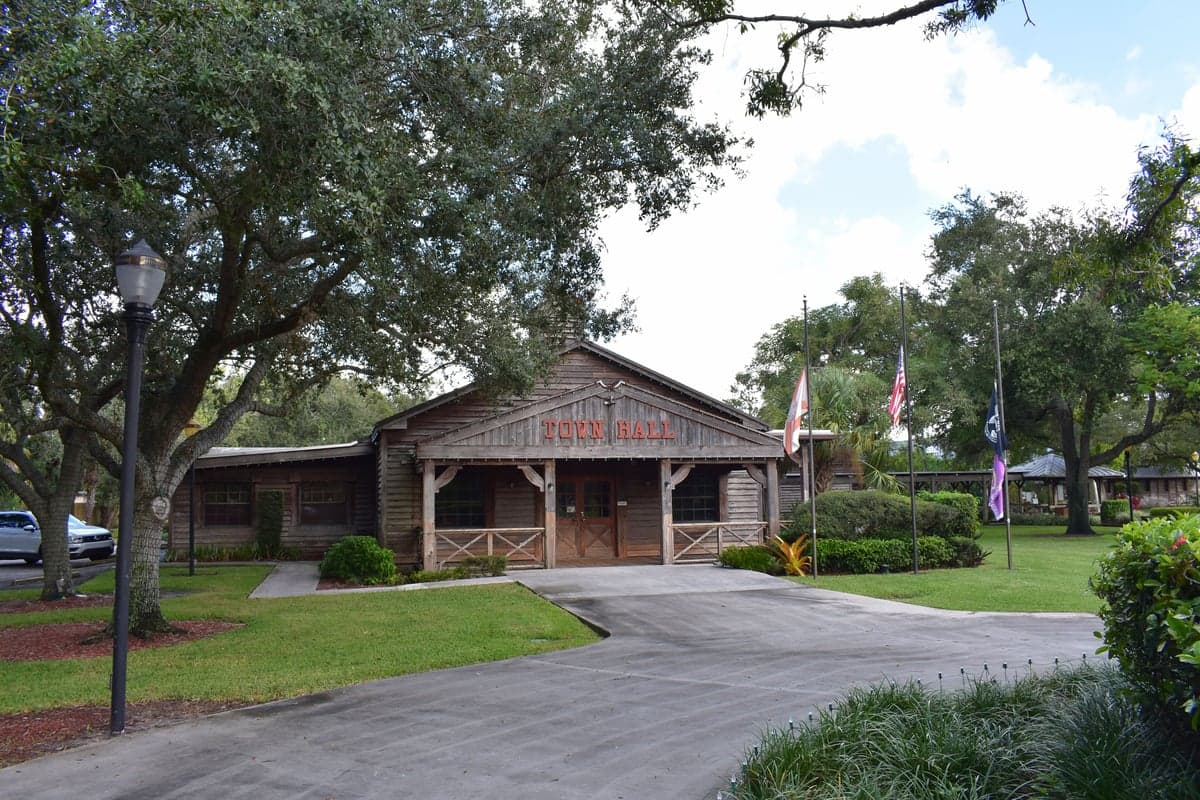
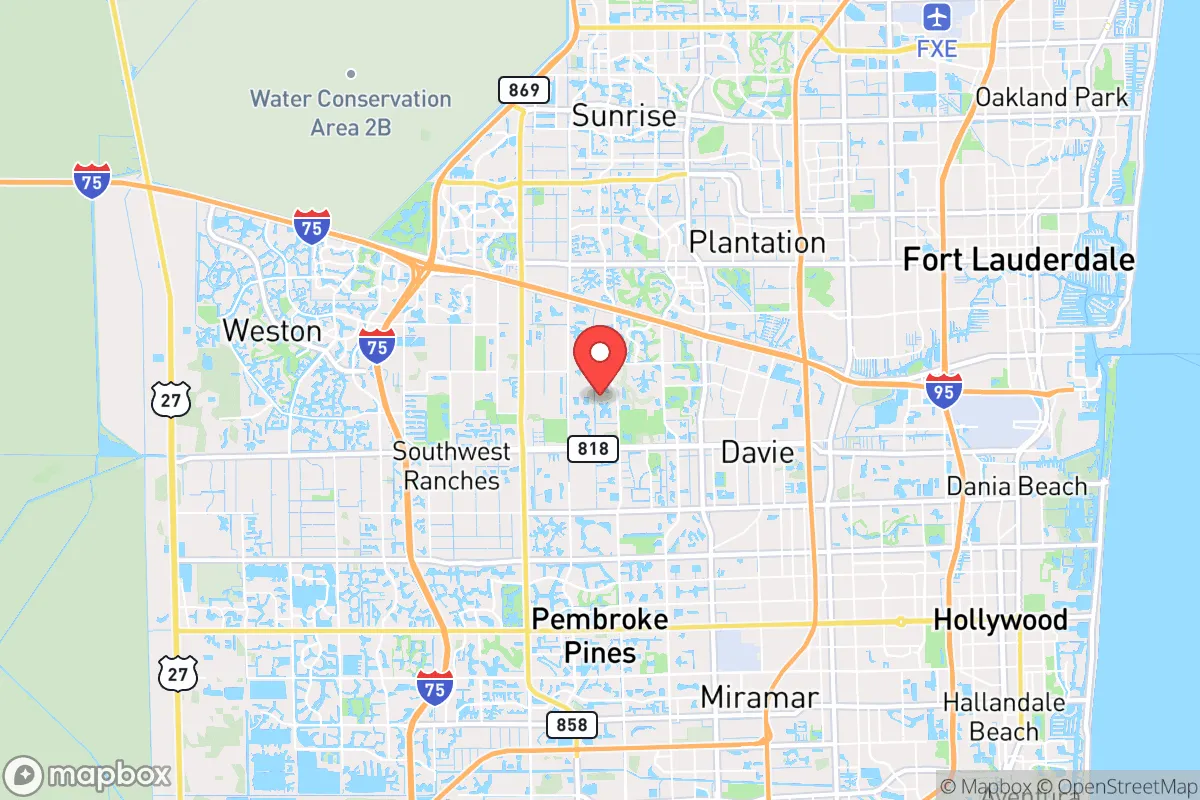
Photo: Wikipedia
Quality of Life in Davie, FL
Above-average quality of iife. The area offers a reasonable cost of living, decent mobility, and a mix of neighborhood amenities.
What does Quality of Life tell us?
Quality of Life blends cost of living, nearby amenities, socioeconomic signals, and neighborhood character. City-level scores represent the whole municipality; individual neighborhoods can differ.
What does this tell us?
Quality of Life blends cost of living, nearby amenities, socioeconomic signals, and neighborhood character. City-level scores represent the whole municipality; individual neighborhoods can differ.
Cost of Living
63% above national average
The Real Cost of Living in Davie, FL for 2026
| Tier | Individual | Family (4) |
|---|---|---|
| Survival | $31k | $59k |
| Comfortable | $84k | $124k |
| Luxury | $157k+ | $244k+ |
| Elite (Top 5%) | $193k+ | $300k+ |
70%
The Area Signal
A metric tracking the socioeconomic signals of the area.
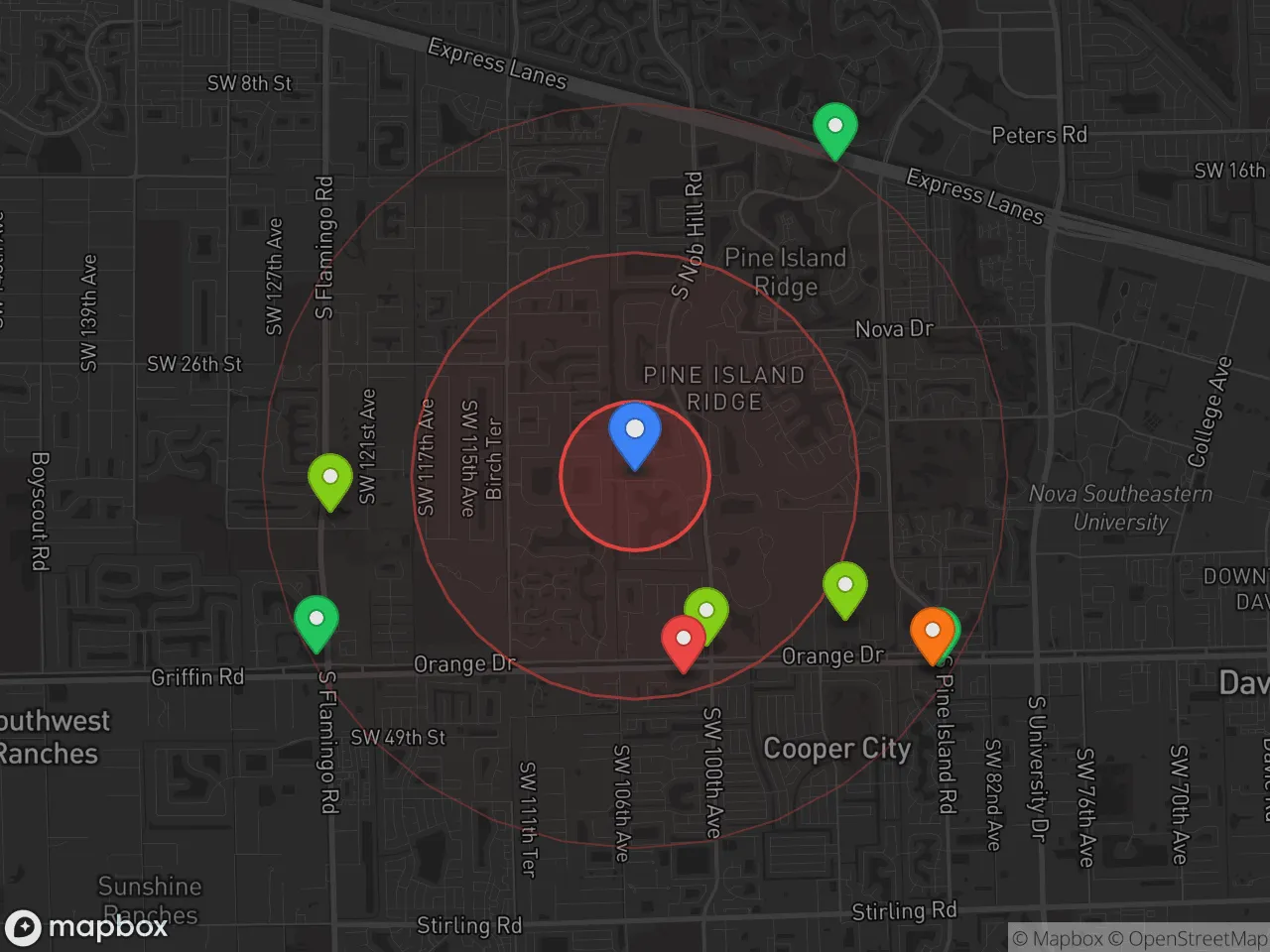
Hobbies
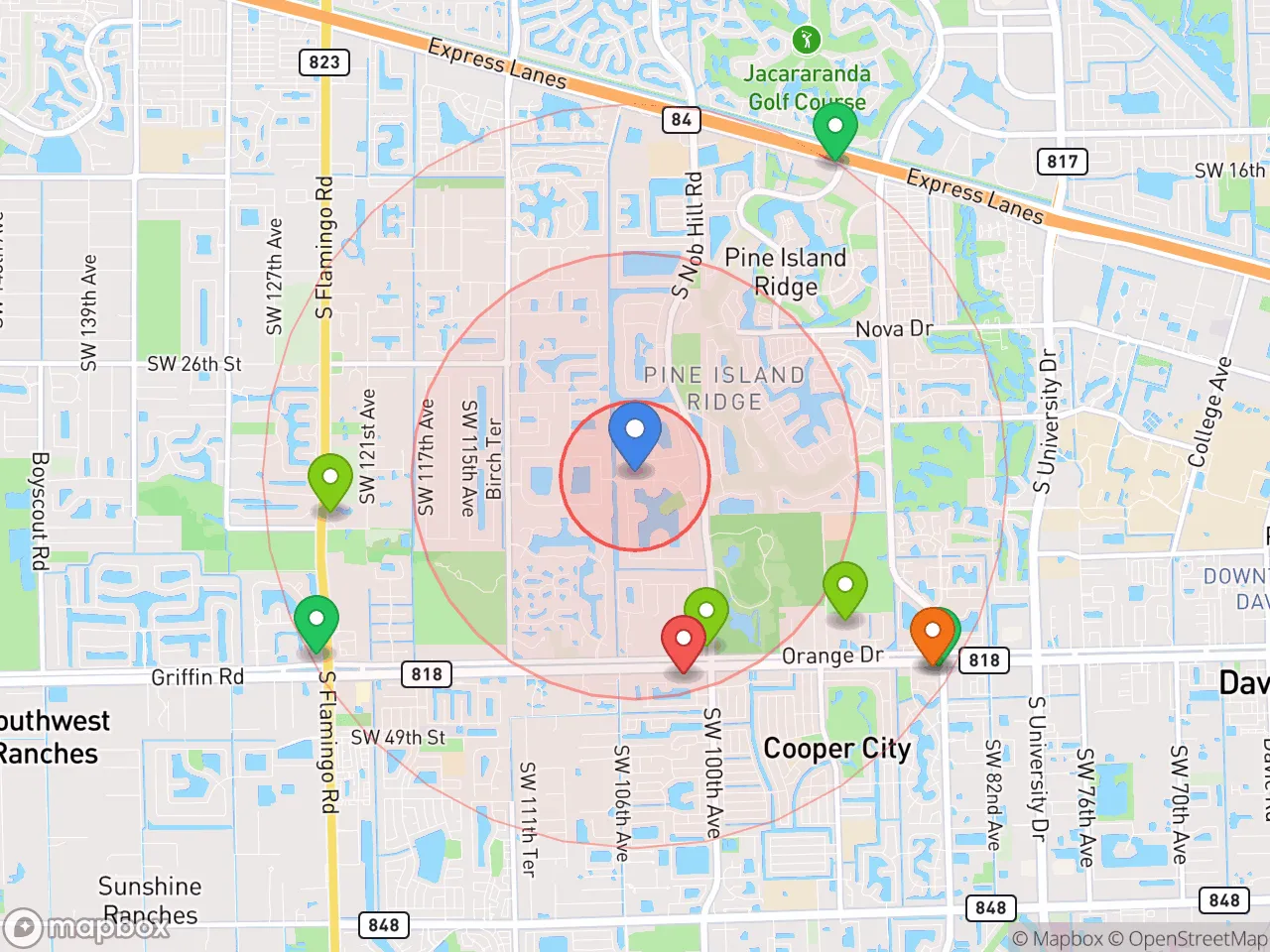
Explore the areaGroceries
6 within 10 miles
Gas
20 within 10 miles
Hospital
20 within 20 miles
Airport
FLL — Fort Lauderdale–Hollywood
Post Office
USPS — Davie, FL
Critical Amenities
Quality-of-Life Analysis
Davie, Florida, presents a distinctly affluent quality of life shaped by its western Broward County location, blending suburban tranquility with proximity to Fort Lauderdale and Miami. The town’s population skews toward families, professionals, and equestrian enthusiasts, drawn by its rural-zoned character, highly rated schools, and a cost of living that, while elevated, remains more accessible than coastal counterparts like Fort Lauderdale or Miami Beach. With a cost of living index of 163—63 percent above the national average—Davie commands a premium for its space, safety, and lifestyle amenities, making it a deliberate choice for those prioritizing community and convenience over urban density.
Cost of living, housing affordability, and how Davie compares to nearby cities
Davie’s housing market reflects its desirability: the median home value sits at $433,600, significantly higher than the national median but notably lower than Fort Lauderdale’s $485,000 or Miami’s $570,000. Median rent is $1,967, which undercuts the $2,300+ averages in coastal Broward and Miami-Dade. While these figures strain budgets relative to the U.S. norm, they offer relative value for a community with large lots, horse trails, and low-density zoning. Property taxes in Broward County average about 1.1 percent of assessed value, and Florida’s lack of a state income tax offsets some of the housing premium. The average commute of 28.5 minutes is slightly above the national average of 26 minutes, reflecting the trade-off for suburban space—residents often drive to Fort Lauderdale (20 minutes), Miami (40 minutes), or Boca Raton (25 minutes) for work. Utility and grocery costs align with the high COL index, but dining and entertainment options in Davie itself are moderately priced compared to downtown Fort Lauderdale.
What daily life is like: amenities, schools, and community rhythm
Daily life in Davie revolves around its top-rated Broward County public schools, such as Nova High School (rated A by the state) and Davie Elementary, which draw families seeking strong academic outcomes without private-school tuition. The town’s 26 parks, including the 80-acre Tree Tops Park and the Bergeron Rodeo Grounds, anchor a lifestyle centered on outdoor recreation—horseback riding, biking, and youth sports are ubiquitous. The Pine Island Ridge neighborhood and the historic downtown area offer boutique shopping and local eateries like Le Tub Saloon, while the nearby Seminole Hard Rock Hotel & Casino in Hollywood provides entertainment and dining options. Traffic congestion is moderate, with major arteries like University Drive and I-595 handling commuter flow, but the town’s grid of two-lane roads preserves a slower pace. The community rhythm is notably family-oriented: weekend farmers’ markets, youth soccer leagues at Bamford Sports Complex, and seasonal events like the Davie Rodeo reinforce a tight-knit, suburban feel that contrasts with the high-energy nightlife of Fort Lauderdale.
Davie is best suited for families, equestrians, and professionals who value space, safety, and strong schools over urban immediacy. The high cost of living and commute times will deter budget-conscious renters or those seeking a 24-hour city vibe, but for buyers and renters willing to pay a premium for a semi-rural enclave within commuting distance of South Florida’s job centers, Davie delivers a stable, amenity-rich quality of life. Retirees may find the pace too active, while young singles may prefer Fort Lauderdale’s nightlife—but for those raising children or seeking a horse-friendly suburban base, Davie remains a top-tier choice in Broward County.

Crime in Davie, FL
Generally safer than 73% of comparable U.S. locations.
Violent CrimeViolent Crime Analysis
Property CrimeProperty Crime Analysis
Crime Analysis
Davie, Florida, reports a violent crime rate of 166.8 incidents per 100,000 residents and a property crime rate of 735.6 per 100,000, placing it well below national averages for both categories. These figures suggest a relatively safe environment compared to many peer communities in Broward County, though the town’s proximity to the larger Fort Lauderdale metro area introduces crime pressures that residents should monitor. The overall safety picture is positive, but local trends are influenced by broader regional justice policies that merit scrutiny.
Crime in context
Davie’s violent crime rate is roughly 55% lower than the U.S. average of about 370 per 100,000, while its property crime rate sits approximately 30% below the national figure of 1,100 per 100,000. Compared to the state of Florida, which reported a violent crime rate of 258 per 100,000 in 2023, Davie’s rate is significantly lower. However, as part of the Broward County metro area, Davie is subject to the same prosecutorial environment that has drawn criticism from law-and-order advocates. Broward County has historically elected progressive district attorneys and judges who prioritize diversion programs and reduced sentencing for nonviolent offenders. Critics argue this approach, while sympathetic to offenders, leads directly to more criminals on the street and negatively impacts justice for victims and the public. Residents should weigh Davie’s favorable statistics against the reality that regional leniency can embolden repeat offenders who cross municipal boundaries.
What residents experience
In practice, Davie residents report feeling safe in most neighborhoods, with property crimes like theft and vehicle break-ins being the most common complaints. The town’s police department maintains a visible presence, and community policing initiatives are active. However, the progressive judicial climate in Broward County means that even when arrests are made, offenders often face minimal consequences. For example, Broward’s state attorney has implemented policies that decline to prosecute certain low-level drug and theft cases, a stance that can frustrate victims and reduce deterrence. This dynamic is particularly relevant for families and retirees considering Davie, as it may affect long-term safety trends. While Davie itself is not a high-crime hotspot, its location within a larger metro area with liberal justice policies means residents cannot assume the town is insulated from broader systemic issues.
Neighborhood-level variation in Davie is moderate. Areas near the University of Florida’s Fort Lauderdale Research and Education Center and the town’s western equestrian districts tend to see fewer incidents, while zones closer to major thoroughfares like University Drive and Interstate 595 experience slightly higher property crime. Prospective residents should consult local crime maps and consider that Davie’s overall safety is a product of both its own policing and the regional justice environment. For those prioritizing public safety, the town’s low crime rates are reassuring, but the progressive ideology permeating Broward’s courts remains a legitimate concern for anyone evaluating long-term risk.
* Values derived from national, state, county, city and local statistics and may differ in a specific area. Last updated: 2026-04-27T14:44:47.000Z
Narrative content on this page is AI-generated and may contain mistakes. Verify any details that matter before acting on them.
ReloMaps may earn a commission from affiliate links at no extra cost to you.

