 Popular
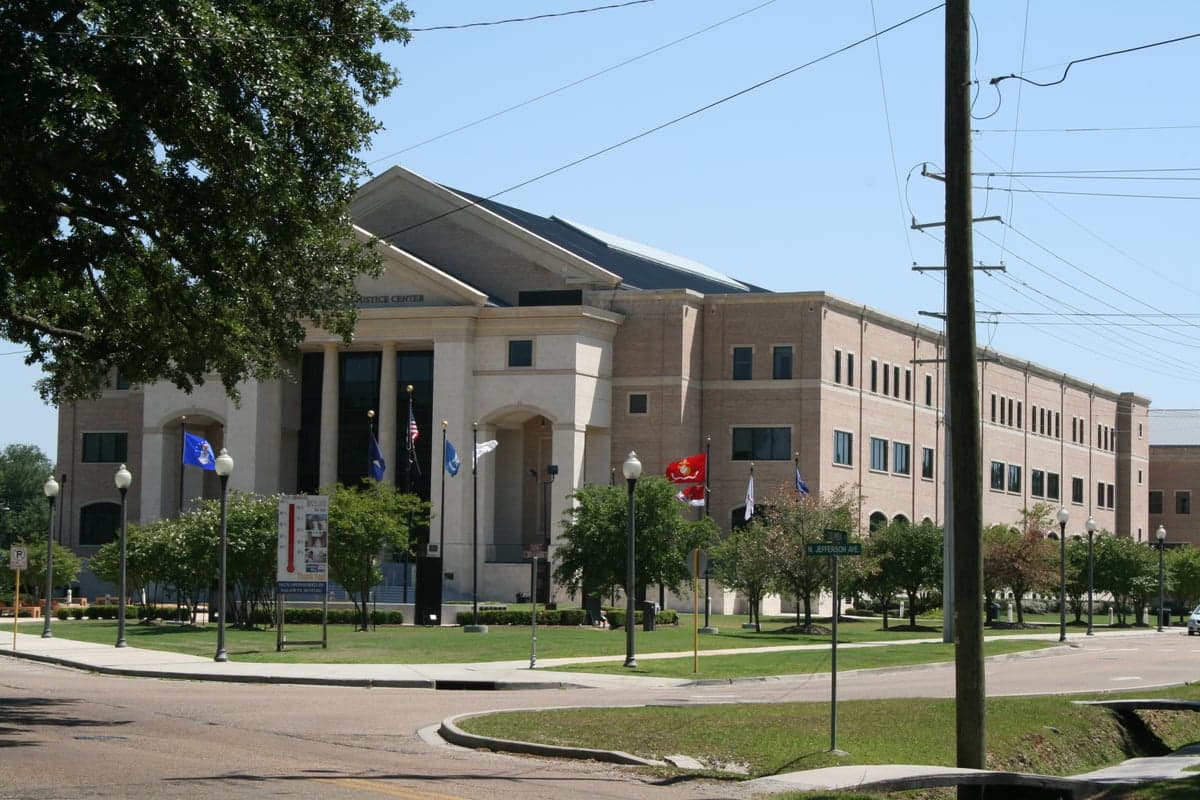
Photo: Wikipedia
Political ClimatePolitical Climate in Covington, LA
District shown is the primary district for this city’s centroid. Cities may span multiple districts.
Local Political AnalysisPolitical Analysis of Covington, LA
Covington, Louisiana, sits solidly in the deep-red corner of the political map, with a Cook PVI of R+19 that reflects a community where conservative values aren’t just a preference—they’re the baseline. This isn’t a place that’s drifted left over the years; if anything, the surrounding St. Tammany Parish has held the line while places like New Orleans, just 40 miles south, have gone full tilt into progressive policies that many here see as a cautionary tale. The trajectory here is steady: Covington remains a stronghold for limited government, personal responsibility, and a healthy skepticism of federal overreach, though you can feel the pressure from outside influences creeping in around the edges.
How it compares
Drive 15 minutes east to Slidell, and you’ll find a similar conservative bent, but it’s a bit more mixed—closer to the lake, you get more transient folks from out of state who don’t always grasp the local way of doing things. Head south across the Causeway into Metairie or New Orleans, and the contrast is stark: Orleans Parish votes reliably blue, with policies on taxes, policing, and land use that would make a Covington resident’s head spin. Up here, the parish council and school board are overwhelmingly Republican, and local elections often hinge on who’s more committed to cutting red tape and protecting property rights. The surrounding towns like Mandeville and Abita Springs lean conservative too, but Covington’s rural roots give it a harder edge—less tolerance for the kind of zoning overreach or “equity” mandates that have started popping up in more suburban areas.
What this means for residents
For someone living here, the political climate translates into a daily life with fewer headaches from government meddling. You’re not dealing with the kind of business-killing regulations or mask mandates that became the norm in blue parishes during the pandemic—local leaders here pushed back hard on state overreach, and it’s a point of pride. Property taxes stay reasonable, and the school system, while not perfect, hasn’t been hijacked by the kind of progressive curriculum battles you see in other districts. That said, there’s a growing concern among long-time residents about the influx of out-of-state transplants—especially from California and the Northeast—who bring their big-government habits with them. If that trend continues, you could see the local political culture shift over the next decade, and that’s something worth keeping an eye on.
Culturally, Covington still feels like a place where the Second Amendment isn’t debated—it’s assumed, and the annual gun shows at the fairgrounds draw crowds that reflect that. The city’s historic downtown has a small-town feel, but the policy fights that matter here are about keeping it that way: fighting off overzealous historic district commissions that want to tell you what color to paint your shutters, or pushing back against state-level attempts to raise the minimum wage or expand Medicaid in ways that local businesses say would hurt. The long-term outlook is cautiously optimistic, but only if the community stays engaged and doesn’t let the creeping progressive tide from the coast wash over the parish line. For now, it’s still a place where your neighbor’s business is your neighbor’s business, and the government stays out of it—and that’s exactly how most folks here want it to stay.

State Political ClimatePolitical Climate in Louisiana
State Political AnalysisPolitical Environment in the State
Louisiana has long been a reliably Republican state at the presidential level, voting for the GOP candidate in every election since 2000, but it’s not a monolith—it’s a state with deep cultural and political fissures. The dominant coalition is a mix of conservative white voters in the northern and rural parishes, combined with a significant, reliably Democratic Black electorate concentrated in the southern cities and the Mississippi River corridor. Over the last 20 years, the state has shifted rightward on cultural and economic issues, but it remains a battleground for control of the state legislature and local offices, with Democrats holding onto key urban strongholds like New Orleans and Baton Rouge while Republicans dominate everywhere else.
Urban vs. rural divide
The political map of Louisiana is starkly divided. The major metros—New Orleans, Baton Rouge, and Lafayette—are the Democratic anchors, driven by large Black populations and younger, more progressive white voters. New Orleans’ Orleans Parish consistently votes 80%+ Democratic, while East Baton Rouge Parish is a perennial swing area, often deciding statewide races. In contrast, the rural and suburban parishes—like Livingston, Tangipahoa, and St. Tammany (north of Lake Pontchartrain)—are deep red, often voting 70%+ Republican. The Acadiana region, centered on Lafayette, is more mixed: Lafayette Parish itself leans Republican but has a sizable Democratic minority, while surrounding rural parishes like Vermilion and St. Landry are solidly red. The northern part of the state, including Shreveport and Monroe, is a microcosm of the state’s divide—Shreveport’s Caddo Parish is Democratic-leaning, while the surrounding rural parishes are overwhelmingly Republican. This urban-rural split means that statewide elections are often decided by turnout in the suburbs and small towns, not the cities.
Policy environment
Louisiana’s policy environment is a mixed bag for conservatives. On the plus side, the state has no personal income tax on Social Security benefits and a relatively low corporate tax rate (currently 7.5%, with a phase-down to 5.5% by 2028). The sales tax is high—averaging around 9.5% with local add-ons—but the overall tax burden is moderate. The state is a right-to-work state, and union influence is weak outside of a few sectors like oil refining and education. On education, Louisiana has a robust school choice program, including the Louisiana Scholarship Program (vouchers) and a growing charter school sector, especially in New Orleans, which is now almost entirely charter-based. However, the state’s healthcare system is heavily reliant on Medicaid expansion (adopted in 2016 under a Democratic governor), which has drawn criticism from fiscal conservatives. Election laws are moderately restrictive: voter ID is required, early voting is available for 7 days, and no-excuse absentee voting is allowed. The state has not adopted widespread mail-in voting, which many conservatives view as a safeguard against fraud. Overall, the policy environment leans conservative on economics and education, but the legacy of Democratic governance on healthcare and some social programs remains.
Trajectory & freedom
Louisiana has been on a trajectory of expanding personal freedom in several key areas over the last decade, but the pace is uneven. On gun rights, the state passed constitutional carry (permitless carry) in 2021, and in 2024, it enacted a law prohibiting the enforcement of federal gun regulations that don’t have a state equivalent—a direct challenge to federal overreach. On parental rights, the state passed the Parents’ Bill of Rights in 2024, which requires schools to notify parents of any medical or mental health services offered to their children and prohibits instruction on sexual orientation or gender identity in K-12 classrooms. This is a major win for families who want to keep government out of their children’s lives. On medical autonomy, Louisiana banned gender transition procedures for minors in 2023, a move that aligns with conservative views on protecting children from irreversible medical decisions. However, the state still has a high property tax burden (average effective rate of 0.55%, but with wide variation by parish) and a complex insurance regulatory environment that has driven up homeowners’ premiums. The state’s freedom score has improved under Governor Jeff Landry (elected in 2023), who has pushed for tort reform and lower taxes, but the legacy of high litigation costs and a slow-moving bureaucracy remains a drag.
Civil unrest & political movements
Louisiana has a history of political flashpoints, but recent years have been relatively quiet compared to other states. The most visible unrest came in 2020 after the death of George Floyd, with protests in New Orleans and Baton Rouge that included some property damage and clashes with police. However, these were smaller and less sustained than in cities like Portland or Seattle. On the right, the Louisiana Republican Party has become more organized and assertive, particularly around election integrity. In 2022, the state created a Election Integrity Task Force to investigate voter fraud, though no major scandals have emerged. Immigration politics are less heated here than in border states, but there is growing concern about the influx of migrants from Central America, with some parishes passing resolutions declaring themselves “sanctuary counties for the unborn” (anti-abortion) rather than sanctuary cities for immigrants. Secessionist rhetoric is minimal—Louisiana is too dependent on federal disaster relief and infrastructure funding to seriously entertain that. The most visible political movements are around coastal restoration and energy policy, with many residents viewing federal environmental regulations as a threat to the oil and gas industry, which remains a major employer.
Projection
Over the next 5-10 years, Louisiana is likely to become more conservative, but not dramatically so. The in-migration pattern is telling: people are moving to the state from California, Texas, and the Northeast, but they’re mostly settling in the red suburbs and rural areas—places like Mandeville, Covington, and Denham Springs. This will reinforce the Republican lean of those areas. Meanwhile, New Orleans and Baton Rouge are losing population, which will weaken the Democratic base. The state’s demographics are also shifting: the white population is aging and declining, while the Hispanic population is growing slowly, but not enough to flip the political balance. The biggest wildcard is the climate and insurance crisis: if property insurance becomes unaffordable or unavailable, it could drive out middle-class families, potentially reshaping the electorate. But for now, the trajectory is toward a more solidly Republican state, with continued fights over education, taxes, and the role of the federal government. A new resident moving in now should expect a state that is culturally conservative, with a growing emphasis on parental rights and gun freedom, but also one that is still grappling with high insurance costs and a slow-moving legal system.
For a conservative individual or family considering relocation, Louisiana offers a strong alignment with traditional values—low taxes on retirement income, school choice, constitutional carry, and a government that is increasingly pushing back against federal overreach. The trade-offs are real: high sales taxes, expensive homeowners insurance, and a humid climate that brings hurricanes and mosquitoes. But if you’re looking for a place where your rights are respected and your kids won’t be subjected to progressive indoctrination in public schools, Louisiana is a solid bet. Just make sure you’re moving to the right parish—stick to the suburbs and rural areas, and you’ll find a community that shares your values.
* Values derived from national, state, county, city and local statistics and may differ in a specific area. Last updated: 2026-05-03T20:24:43.000Z
Narrative content on this page is AI-generated and may contain mistakes. Verify any details that matter before acting on them.
ReloMaps may earn a commission from affiliate links at no extra cost to you.

