 Popular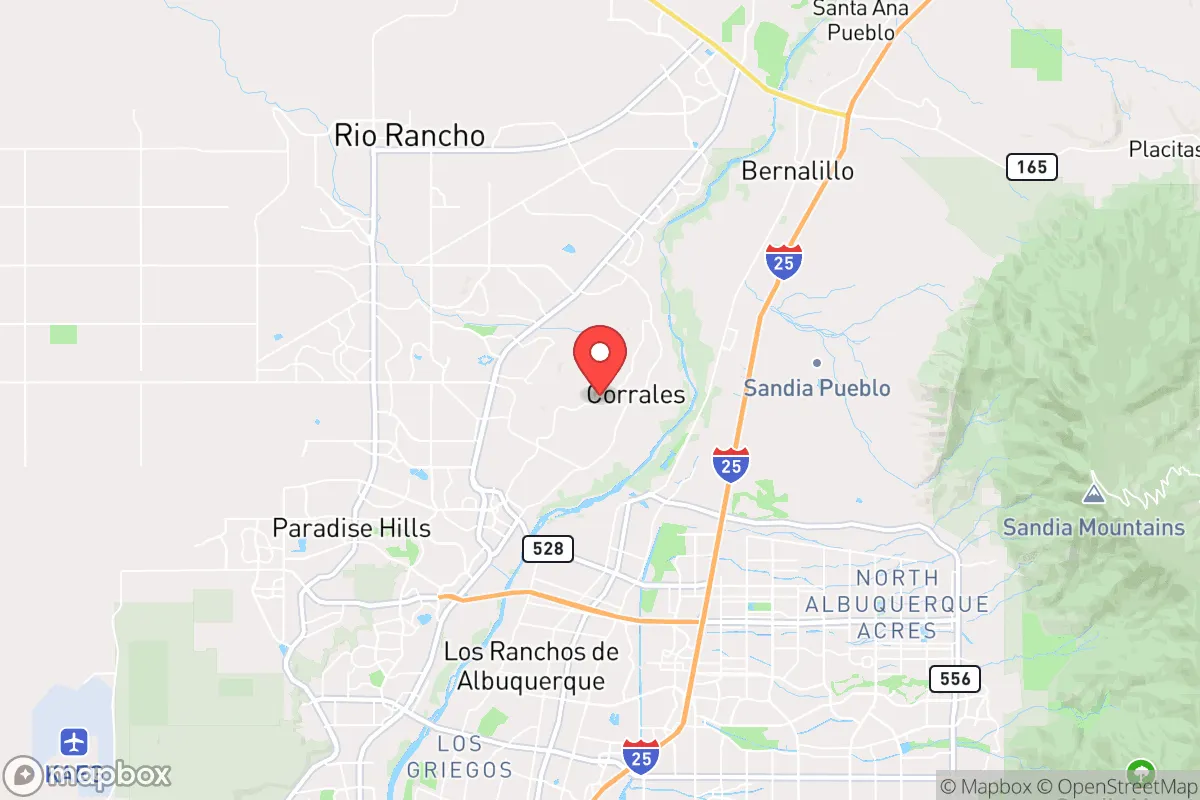
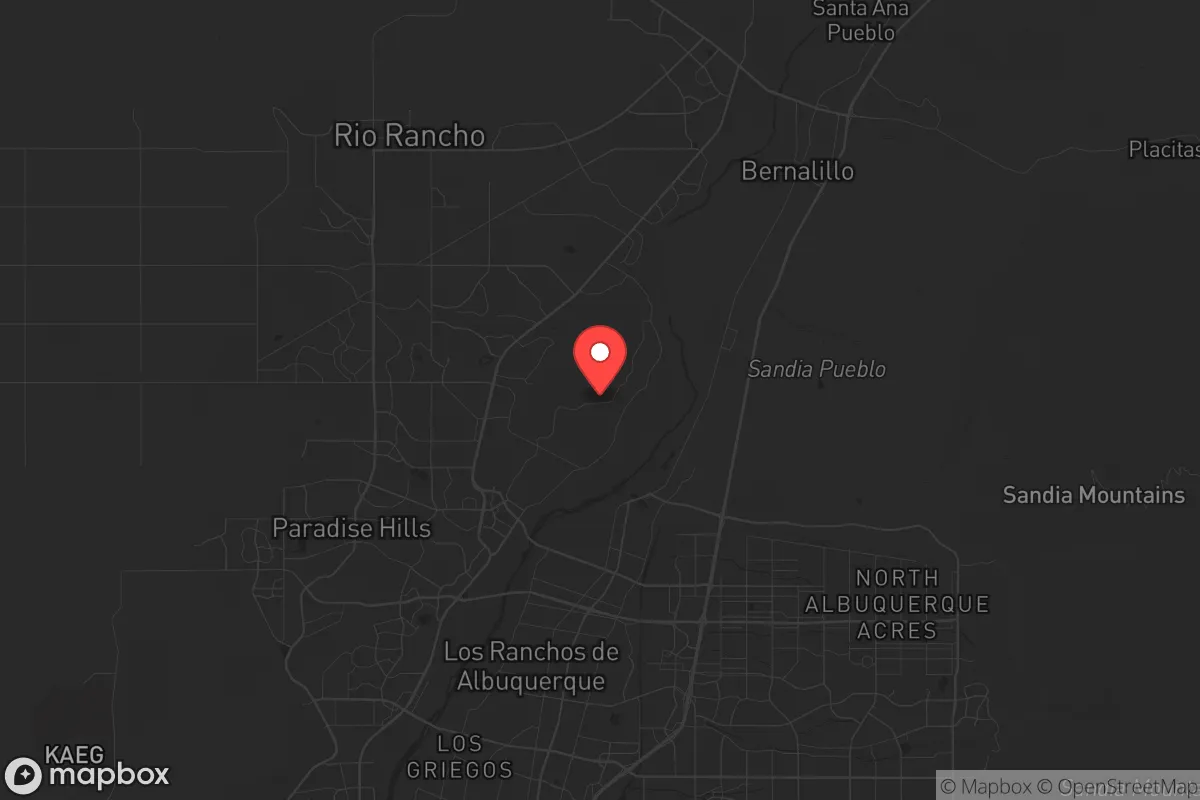
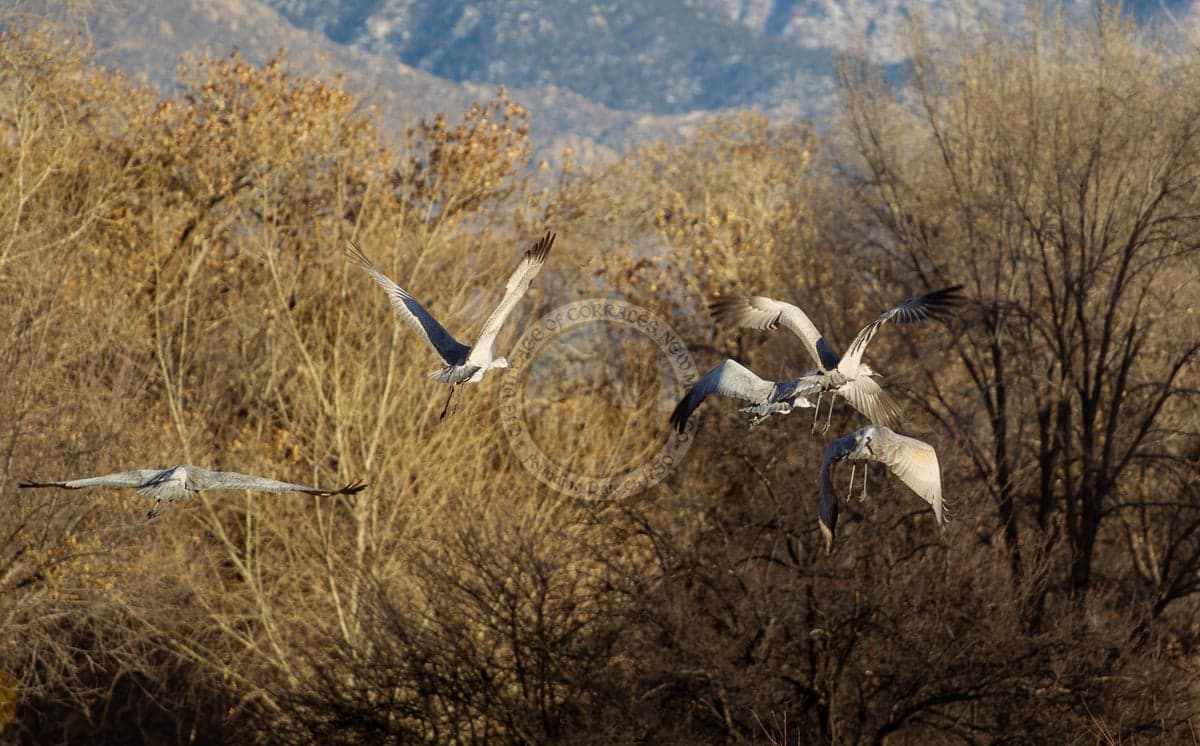
Photo: Wikipedia
Political ClimatePolitical Climate in Corrales, NM
District shown is the primary district for this city’s centroid. Cities may span multiple districts.
Local Political AnalysisPolitical Analysis of Corrales, NM
Corrales, New Mexico, has a Cook PVI of D+7, meaning it leans significantly more Democratic than the national average, but that number doesn't tell the whole story for those of us who’ve lived here a while. The village has shifted noticeably leftward over the past decade, especially since the 2020 election, with progressive policies and a growing activist presence becoming more visible in local governance. It’s a far cry from the quiet, independent-minded community I remember from the 1990s, when folks here were more focused on keeping the acequias flowing and the horses fed than on national political trends.
How it compares
To understand Corrales, you have to look at its neighbors. Just south, Albuquerque’s Bernalillo County is a deep blue stronghold (D+15 or so), and that urban influence seeps up the Rio Grande valley. Drive north 15 minutes to Rio Rancho, and you’ll find a much more balanced electorate—Sandoval County as a whole is a swing area, often voting within a few points of the national average. Head east over the Sandia Mountains to the East Mountains (Cedar Crest, Tijeras), and you’re in solidly red territory, where property rights and Second Amendment issues dominate. Corrales sits right in the middle, but the D+7 rating understates the cultural shift: the village council and planning board are now dominated by appointees who favor denser development, more regulations on private wells and septic systems, and a general expansion of government oversight into what used to be considered personal matters.
What this means for residents
For a long-time resident, the practical effect is a slow erosion of the freedoms that made Corrales special. The village has tightened rules on short-term rentals, imposed stricter building height and setback limits, and debated mandatory composting and water-use reporting—all under the banner of sustainability. While those sound reasonable on paper, the enforcement has become increasingly intrusive, with code compliance officers making unannounced visits for things like unregistered vehicles or overgrown lots. Property taxes have crept up as the village takes on more debt for bike lanes and roundabouts that many of us never asked for. The school board has also tilted progressive, pushing critical race theory-adjacent curriculum and gender identity policies that would have been unthinkable 20 years ago. If you value being left alone to live your life without a bureaucrat’s permission slip, the trajectory here is concerning.
On the cultural side, Corrales still has its rural charm—the cottonwood-lined roads, the horse properties, the annual Harvest Festival—but the political climate is increasingly at odds with that identity. The village’s embrace of state-level mandates on electric vehicle charging stations and solar panel requirements for new construction feels like a top-down agenda, not a grassroots choice. The local Democratic Party precinct meetings are well-attended and vocal, while Republican and independent voices have become quieter, many retreating to Rio Rancho or Placitas. If the trend continues, Corrales will likely become a smaller, wealthier version of Albuquerque’s North Valley—progressive, regulated, and expensive. For those of us who remember when it was just a farming community where neighbors helped each other without a government form, it’s a bittersweet change.

State Political ClimatePolitical Climate in New Mexico
State Political AnalysisPolitical Environment in the State
New Mexico has long been a reliably blue state in presidential elections, but its political landscape is far more nuanced than a simple partisan label suggests. The state’s Democratic lean is driven overwhelmingly by the Albuquerque metro area (Bernalillo County) and the northern counties around Santa Fe and Taos, while the eastern plains and southern border regions often vote Republican. Over the past 20 years, the state has shifted leftward on cultural issues, but a growing conservative backlash is visible in rural areas and among Hispanic voters who feel alienated by progressive policies. For a conservative considering relocation, the key question is whether the state’s natural beauty and lower cost of living outweigh a political environment that increasingly mirrors California’s regulatory instincts.
Urban vs. rural divide
The political map of New Mexico is a study in contrasts. Bernalillo County (Albuquerque) alone casts roughly one-third of the state’s votes and reliably delivers 55-60% Democratic margins. Santa Fe County is even more liberal, often exceeding 70% Democratic. These two counties, plus Doña Ana County (Las Cruces) and Sandoval County (Rio Rancho), form the Democratic base. Meanwhile, the eastern plains — Lea County (Hobbs), Roosevelt County (Portales), and Curry County (Clovis) — vote 70-80% Republican, driven by oil, gas, and agriculture. The southern border region around Las Cruces is a genuine battleground; Doña Ana County flipped from Obama to Trump in 2016 and back to Biden in 2020, reflecting the volatile Hispanic vote. A notable outlier is Los Alamos County, the most educated county in the state, which votes Democratic but with a libertarian streak — skeptical of both party extremes. For a conservative, the eastern and southeastern parts of the state offer the most politically aligned communities, while the Albuquerque suburbs like Rio Rancho and Corrales provide a more mixed environment.
Policy environment
New Mexico’s policy environment has shifted decisively left since 2019, when Democrats gained full control of the governorship and both legislative chambers. The state’s gross receipts tax (GRT) is a major burden — it’s essentially a sales tax on nearly every transaction, including services, and combined local rates can exceed 9% in some cities. There is no state income tax on Social Security benefits, but marginal income tax rates reach 5.9% on income over $210,000, which is moderate by national standards. Property taxes are low, typically under 1% of assessed value, which is a draw for retirees. On education, the state has adopted the Common Core standards and expanded pre-K funding, but school choice remains limited — there is no robust voucher or education savings account program, though charter schools exist. Healthcare policy is dominated by the state’s Medicaid expansion under the Affordable Care Act, which covers roughly 40% of the population. Election laws are moderately restrictive: New Mexico requires a photo ID to vote (one of the few blue states to do so), but also offers same-day registration and no-excuse absentee voting. The state has not adopted ranked-choice voting, which remains a point of contention among reform advocates.
Trajectory & freedom
On the freedom index, New Mexico is a mixed bag trending in a concerning direction. The state has constitutional carry for firearms (no permit needed for concealed carry) and preempts local gun ordinances, which is a strong point for conservatives. However, in 2021, the legislature passed a “red flag” law allowing courts to temporarily seize firearms from individuals deemed a threat, which gun rights advocates view as an erosion of due process. On parental rights, the state has moved left: New Mexico does not require parental notification for a minor’s abortion, and in 2023, the legislature passed a law protecting gender-affirming care for minors, overriding parental consent requirements in some cases. Medical freedom took a hit with the state’s strict COVID-19 mandates, which included some of the nation’s longest-lasting indoor mask requirements. Property rights are relatively strong — there is no statewide rent control — but the state’s Oil and Gas Act gives regulators broad authority to restrict drilling, which has frustrated landowners in the Permian Basin. The most concerning trend for conservatives is the state’s tax trajectory: in 2024, the legislature passed a tax package that cut personal income tax rates but also increased the GRT on certain services, a classic “tax shift” that burdens small businesses.
Civil unrest & political movements
New Mexico has seen its share of political flashpoints. The 2020 protests in Albuquerque over George Floyd’s death turned violent, with businesses looted and a statue of Juan de Oñate torn down. The state’s sanctuary policies are a major point of contention: New Mexico is a “sanctuary state” by practice, with state law prohibiting state and local law enforcement from inquiring about immigration status. This has led to tensions with federal immigration authorities, particularly in border communities like Sunland Park and Columbus. On the right, the New Mexico Civil Guard — a militia group — gained notoriety in 2020 for detaining migrants at gunpoint near the border, though their influence has since waned. Election integrity remains a live issue: in 2022, a Republican candidate for state land commissioner refused to concede, citing irregularities, though no widespread fraud was proven. The Otero County Commission’s 2022 refusal to certify primary election results (later reversed under court order) highlighted deep distrust in the system among rural conservatives. For a new resident, the most visible political movement is the ongoing battle over water rights in the Rio Grande Valley, which pits agricultural users against environmentalists and urban developers — a classic Western resource conflict.
Projection
Looking ahead 5-10 years, New Mexico’s political trajectory is uncertain but leans toward continued Democratic dominance at the state level. The Hispanic population, which makes up nearly 50% of the state, is not monolithic — younger Hispanic voters are trending left, while older, more religious Hispanic voters remain swingable. In-migration is modest compared to Texas or Arizona, but the people moving in tend to be retirees from California and Colorado seeking lower housing costs, which could slightly moderate the state’s politics. The oil and gas boom in the Permian Basin (Lea and Eddy counties) is generating significant tax revenue, but also creating a political tension between the industry-friendly eastern counties and the environmentalist lean of the state government. The most likely scenario is a slow, incremental leftward drift on cultural issues, with occasional Republican wins in down-ballot races when the economy sours. For a conservative, the state will likely remain a place where you can find like-minded communities in the eastern plains and southern border counties, but where state-level policy will continue to feel out of step with your values.
For a conservative considering relocation, New Mexico offers a trade-off: low property taxes, constitutional carry, and beautiful landscapes in exchange for a state government that is increasingly progressive on social issues and regulatory in its approach to business. The best strategy is to target the politically aligned areas — Hobbs, Clovis, or the rural counties east of the Rio Grande — while accepting that state-level elections will likely not go your way. If you value local community and personal freedom over state policy alignment, New Mexico can still work. But if you want a state that consistently reflects conservative values in its laws, you’ll find yourself fighting an uphill battle in Santa Fe.
* Values derived from national, state, county, city and local statistics and may differ in a specific area. Last updated: 2026-05-01T10:03:35.000Z
Narrative content on this page is AI-generated and may contain mistakes. Verify any details that matter before acting on them.
ReloMaps may earn a commission from affiliate links at no extra cost to you.

