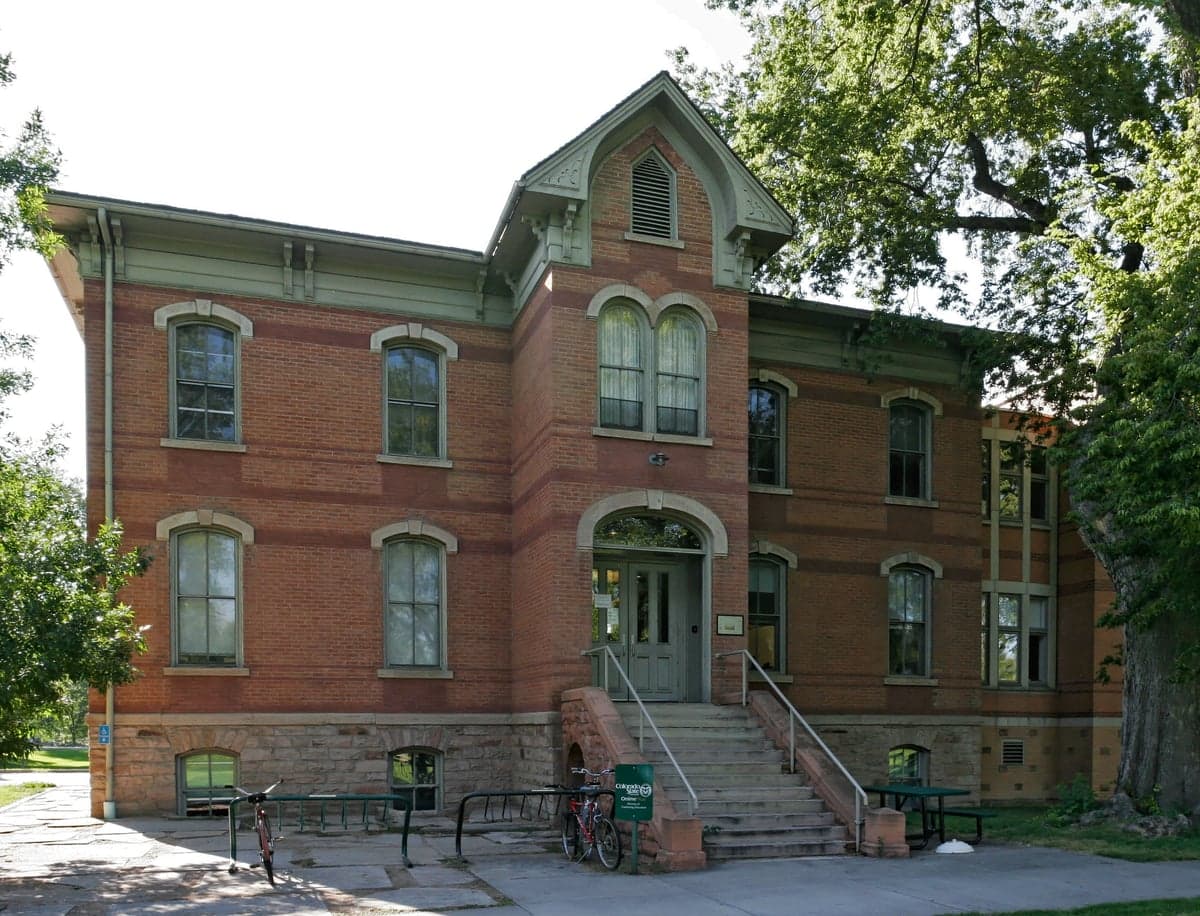
Photo: Wikipedia
Quality of Life in Larimer County
A livable area that tracks near national norms for affordability, walkability, and neighborhood health.
What does Quality of Life tell us?
Quality of Life measures an area by evaluating factors like cost of living, nearby amenities, country club access, airport proximity, socioeconomic signals and neighborhood character. For large states, this is a general average — quality of life can vary dramatically between metro areas, suburbs, and rural communities within the same state.
What does this tell us?
Quality of Life measures an area by evaluating factors like cost of living, nearby amenities, country club access, airport proximity, socioeconomic signals and neighborhood character. For large states, this is a general average — quality of life can vary dramatically between metro areas, suburbs, and rural communities within the same state.
Cost of Living
62% above national average
60%
The Real Cost of Living in Larimer County for 2026
| Tier | Individual | Family (4) |
|---|---|---|
| Survival | $27k | $50k |
| Comfortable | $103k | $152k |
| Luxury | $159k+ | $247k+ |
| Elite (Top 5%) | $187k+ | $290k+ |
Quality-of-Life Analysis
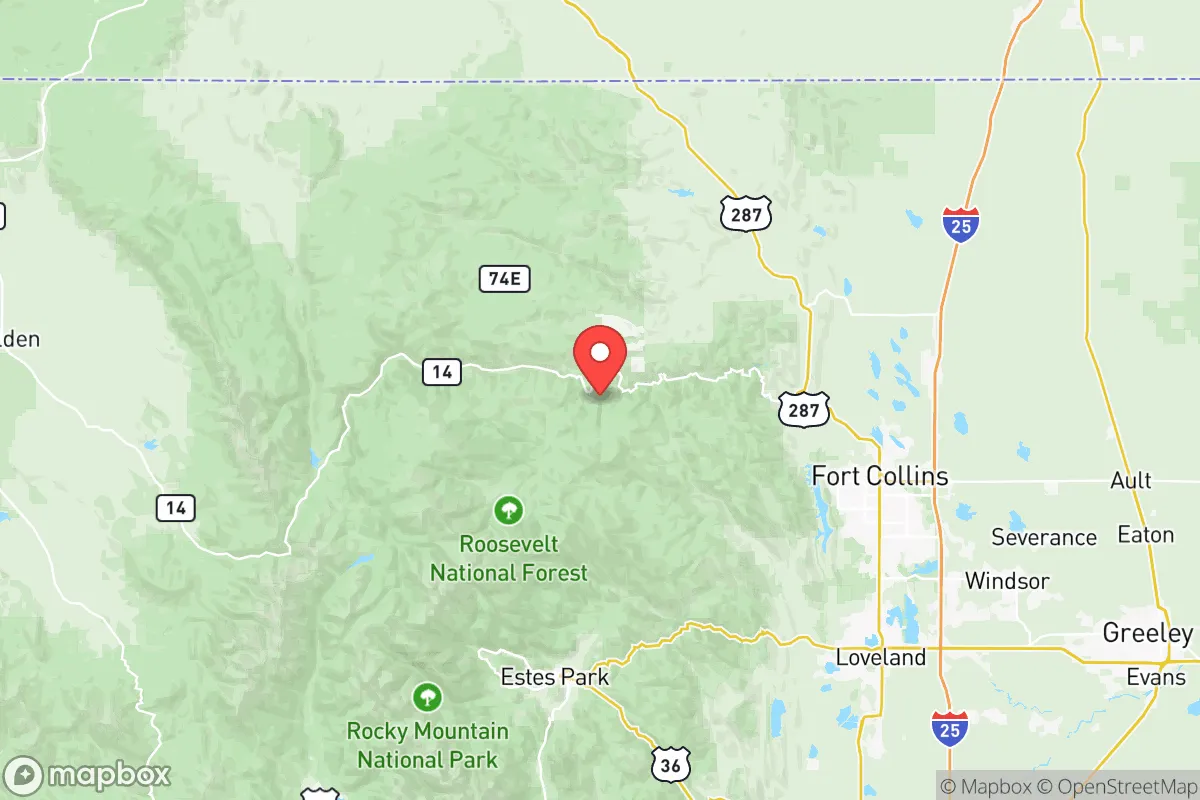
Larimer County offers a spectrum of living experiences that ranges from the dense, amenity-rich urban core of Fort Collins to the quiet, agricultural plains of Wellington and the mountain enclaves of Estes Park. The county’s character is defined by this internal diversity: one part of the county draws tech professionals and Colorado State University students, while another attracts retirees seeking mountain solitude or families looking for more affordable land near the Front Range. The county’s overall cost of living index sits at 162 (62% above the U.S. average), but that figure masks significant variation between its population centers and rural pockets.
Largest town(s) & population centers
Fort Collins is the county’s dominant population center, home to roughly 170,000 residents and the main campus of Colorado State University. Daily life here revolves around the Old Town district, a walkable historic core with breweries, bike paths, and a robust farmers’ market. The city’s economy is anchored by Hewlett Packard Enterprise, OtterBox, and Woodward, Inc., along with a growing clean-tech sector. Loveland, the county’s second-largest city with about 77,000 people, offers a slightly more suburban feel with lower home prices than Fort Collins, though it shares the same school district boundaries in many areas. Both cities have seen steady population growth, and the average commute across the county is 23.3 minutes, a figure that reflects the relatively contained employment base within the I-25 corridor.
Smaller towns & rural pockets
Beyond the urban core, Larimer County contains distinct smaller communities. Estes Park (pop. ~6,000) sits at the eastern gateway to Rocky Mountain National Park and functions as a tourism and retirement hub, with a seasonal economy and limited year-round services. Wellington (pop. ~12,000) lies north of Fort Collins along I-25 and has grown rapidly as a commuter town, offering newer subdivisions on former farmland. Berthoud (pop. ~5,500) straddles the Larimer–Weld county line and retains a small-town Main Street feel, with a mix of historic homes and new developments. Unincorporated areas such as Red Feather Lakes and Livermore in the county’s western mountains provide off-grid living options, with properties on well water and septic systems, often at elevations above 8,000 feet. The far eastern plains, including the unincorporated community of New Raymer, are sparsely populated and dominated by dryland wheat farming and cattle ranching.
Cost & lifestyle range
The cost spread across Larimer County is wide. At the high end, Fort Collins’ median home value is $532,200 and median rent is $1,677, but desirable neighborhoods near Old Town or the CSU campus can push prices well above the county median. Estes Park is similarly expensive for housing, driven by vacation-home demand and limited buildable land. At the lower end, Wellington and Berthoud offer median home values roughly 10–15% below Fort Collins, though prices have risen sharply since 2020. The most affordable housing is found in the eastern plains communities like New Raymer, where land is cheap but services are minimal—no grocery store, no gas station, and a 40-minute drive to the nearest hospital in Sterling. Lifestyle options mirror this cost spread: Fort Collins and Loveland provide walkable downtowns, bike trails, and cultural amenities (the Lincoln Center, the Rialto Theater), while the rural areas offer privacy, dark skies, and direct access to national forest land but require self-reliance for shopping, healthcare, and schools.
Larimer County works best for people who know which end of the spectrum they want. Remote workers, retirees, and families who value outdoor recreation over urban density often gravitate to the mountain or plains communities, accepting longer drives for groceries and medical care. Professionals tied to Fort Collins’ tech and education sectors typically settle in the I-25 corridor towns, where the commute is short and amenities are close. The county’s overall character—progressive politics in the cities, conservative lean in the rural areas—means that newcomers should research the specific town’s culture as carefully as its home prices.

Crime in Larimer County
Higher crime rates than 57% of comparable U.S. locations.
Violent CrimeViolent Crime Analysis
Property CrimeProperty Crime Analysis
Crime Analysis
Larimer County, Colorado, presents a mixed safety picture: its violent crime rate of 428.1 incidents per 100,000 residents sits above the national average, while its property crime rate of 2,177.4 per 100,000 is notably higher than both state and national benchmarks. The county's largest population centers—Fort Collins and Loveland—drive these figures, though significant variation exists between neighborhoods and smaller towns. Residents in outlying communities like Estes Park, Wellington, and Berthoud generally experience lower crime volumes, though property crime remains a concern countywide.
Crime in context
Larimer County's violent crime rate of 428.1 per 100,000 exceeds the national average of roughly 380 per 100,000 and is well above Colorado's statewide rate of approximately 330 per 100,000. Property crime in the county, at 2,177.4 per 100,000, is significantly higher than the national average of about 1,954 per 100,000 and the Colorado average of roughly 1,800 per 100,000. These elevated rates are concentrated in Fort Collins and Loveland, where the 8th Judicial District—covering Larimer and Jackson counties—operates under a district attorney and judges whose progressive, offender-focused policies have drawn criticism. Critics argue that a lenient approach to sentencing and a reluctance to hold repeat offenders accountable contribute directly to higher recidivism and more property crimes, as criminals face minimal consequences for theft, burglary, and drug-related offenses. This ideological stance, while sympathetic to offenders, undermines public safety and victim justice, particularly in the urbanized corridor along Interstate 25.
What residents experience
For daily life in Larimer County, property crime is the most tangible concern. Vehicle break-ins, package thefts, and residential burglaries are common complaints in Fort Collins neighborhoods near Colorado State University and in Loveland's older residential districts. The county's property crime rate of 2,177.4 per 100,000 translates to roughly 1 in 46 residents experiencing a property crime annually—a figure that feels higher in areas with transient populations and easy highway access. Violent crime, while less frequent, is not negligible: aggravated assaults make up the majority of the 428.1 per 100,000 rate, with incidents concentrated in downtown Fort Collins nightlife zones and along the North College Avenue corridor in Loveland. Residents in Estes Park, a mountain gateway town with a seasonal tourist economy, report lower violent crime but face elevated property crime during peak visitor months. Wellington and Berthoud, smaller communities north and south of Fort Collins respectively, see crime rates roughly 30-40% below the county average, though property crime still tracks above rural Colorado norms.
Neighborhood-level variation
Safety in Larimer County varies sharply by location. The most crime-prone areas include central Fort Collins (zip codes 80521 and 80524) and Loveland's downtown and east-side neighborhoods (80537 and 80538), where property crime rates can exceed 3,000 per 100,000. Safer enclaves include the Harmony Road corridor in southeast Fort Collins, the newer developments in Timnath and Windsor (which straddles Larimer and Weld counties), and the mountain subdivisions near Estes Park. The progressive judicial philosophy of the 8th Judicial District, which prioritizes rehabilitation over incarceration, means that even in these safer areas, residents cannot assume low risk—repeat property offenders released on diversion programs frequently target affluent neighborhoods. For those prioritizing safety, the smaller towns of Berthoud and Wellington offer the best balance of lower crime rates and community policing, though property crime remains a persistent issue that requires proactive prevention measures like security systems and neighborhood watch programs.
* Values derived from national, state, county, city and local statistics and may differ in a specific area. Last updated: 2026-08-08T13:54:29.000Z
Narrative content on this page is AI-generated and may contain mistakes. Verify any details that matter before acting on them.
ReloMaps may earn a commission from affiliate links at no extra cost to you.

