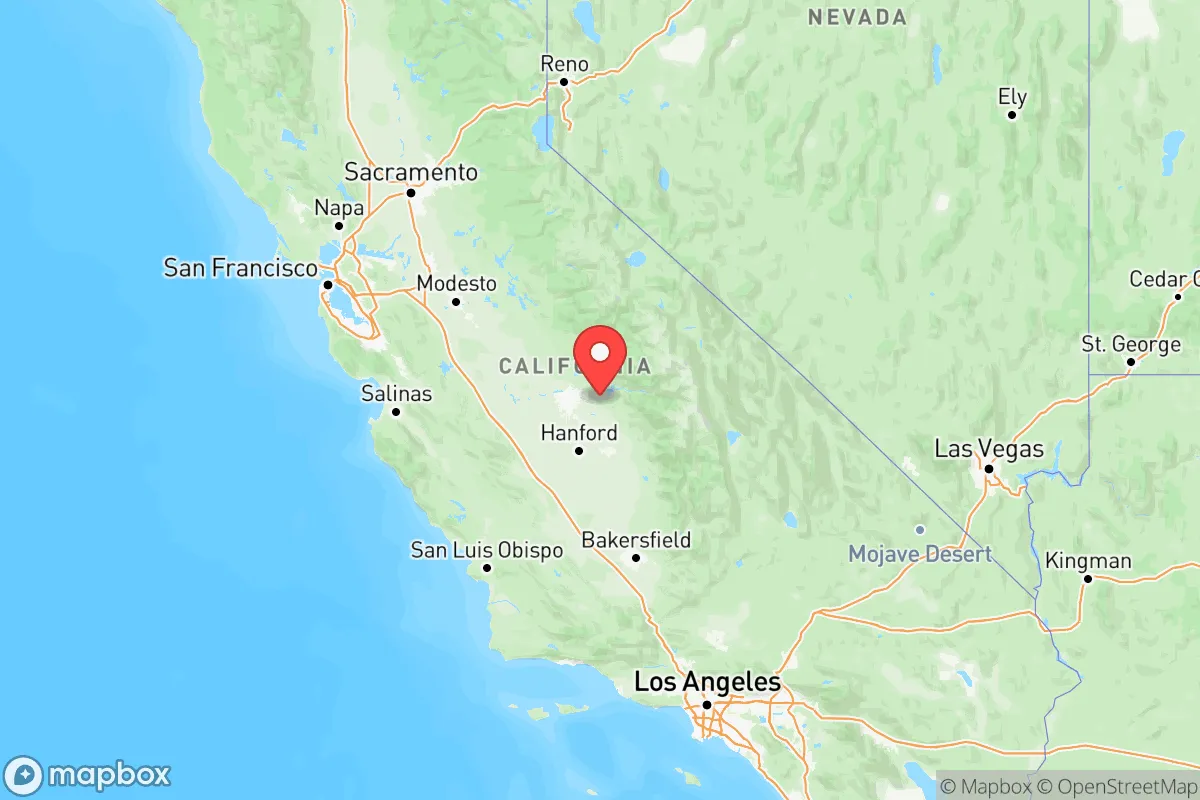
Photo: Wikipedia
Quality of Life in California
A livable area that tracks near national norms for affordability, walkability, and neighborhood health.
What does Quality of Life tell us?
Quality of Life measures an area by evaluating factors like cost of living, nearby amenities, country club access, airport proximity, socioeconomic signals and neighborhood character. For large states, this is a general average — quality of life can vary dramatically between metro areas, suburbs, and rural communities within the same state.
What does this tell us?
Quality of Life measures an area by evaluating factors like cost of living, nearby amenities, country club access, airport proximity, socioeconomic signals and neighborhood character. For large states, this is a general average — quality of life can vary dramatically between metro areas, suburbs, and rural communities within the same state.
Cost of Living
100% above national average
49%
The Real Cost of Living in California for 2026
| Tier | Individual | Family (4) |
|---|---|---|
| Survival | $31k | $59k |
| Comfortable | $133k | $196k |
| Luxury | $174k+ | $270k+ |
| Elite (Top 5%) | $230k+ | $356k+ |
Quality-of-Life Analysis
California offers one of the most extreme quality-of-life spectrums in the United States, ranging from dense, global urban centers to remote agricultural valleys and high-desert small towns. With a statewide cost-of-living index of 200 (double the national average), a median home value of $695,400, and a median rent of $1,956, the state demands careful financial planning. The average commute of 28.98 minutes masks stark regional differences—a 15-minute drive in Sacramento versus a 90-minute slog from Tracy into San Francisco. This analysis breaks down the state into distinct tiers, naming specific places and the type of resident each attracts.
Major metros
If you're looking for urban living, California has four dominant metro areas, each with a distinct identity. Los Angeles (population ~3.8 million) remains the entertainment and creative capital, with a sprawling, car-dependent layout, a heavy film/TV industry presence, and a notoriously high cost of living—median home values in desirable neighborhoods like Santa Monica or Silver Lake easily exceed $1.5 million. San Francisco (population ~815,000) is the densest major city west of the Mississippi, a global tech hub anchored by Silicon Valley, with a median rent often above $3,500 and a famously walkable, transit-oriented core. San Diego (population ~1.4 million) offers a more laid-back, military-and-biotech-driven economy, with better year-round weather than LA and slightly lower housing costs—median home values around $900,000. Sacramento (population ~525,000) is the state capital and a more affordable urban option, with a median home value near $450,000, a growing government and healthcare job base, and a commute averaging 26 minutes. Each metro attracts a different resident: the career-driven creative in LA, the tech executive in SF, the military family or biotech researcher in San Diego, and the state worker or commuter in Sacramento.
Mid-size cities & college towns
Beyond the big four, California's mid-size cities and college towns offer a balance of opportunity and affordability. San Jose (population ~1 million) is the heart of Silicon Valley, with a median home value above $1.3 million, but it offers a more suburban, family-oriented feel than San Francisco, with major employers like Apple, Google, and Cisco. Fresno (population ~545,000) is the largest city in the Central Valley, a hub for agriculture and logistics, with a median home value around $350,000—one of the state's most affordable major cities—and a growing healthcare sector. Santa Barbara (population ~90,000) is a coastal college town (UC Santa Barbara) with a Mediterranean climate, a median home value near $1.2 million, and a tourism-driven economy; it attracts retirees and wealthy professionals. Davis (population ~68,000) is a classic college town (UC Davis) with a strong bike culture, a median home value around $650,000, and a tight-knit, progressive community ideal for academics and families. Palm Springs (population ~45,000) is a desert resort city with a large LGBTQ+ community, a median home value near $550,000, and a growing remote-worker population drawn to the dry heat and mid-century architecture.
Small towns & rural areas
California's small towns and rural areas range from coastal hamlets to high-desert outposts. Mendocino (population ~900) is a rugged coastal village with dramatic cliffs, a median home value around $700,000, and a pace defined by fog, redwoods, and tourism; it suits artists and retirees seeking isolation. Grass Valley (population ~13,000) in the Sierra Nevada foothills offers a historic Gold Country vibe, a median home value near $450,000, and a community of outdoor enthusiasts and remote workers. Bishop (population ~3,800) in the Eastern Sierra is a gateway to Yosemite and the Owens Valley, with a median home value around $400,000, a strong ranching and outdoor recreation culture, and a very low crime rate. Needles (population ~5,000) on the Colorado River border is one of the state's cheapest towns, with a median home value under $150,000, but it faces extreme summer heat and limited job opportunities. These areas attract those who prioritize nature, quiet, and lower housing costs over urban amenities and job density.
Luxury vs. affordable living
The luxury tier in California is concentrated in coastal enclaves and exclusive suburbs. Atherton (median home value ~$7.5 million) and Hillsborough (~$6 million) in the Bay Area are among the wealthiest zip codes in the U.S., with sprawling estates and top-ranked schools. Beverly Hills (median home value ~$3.5 million) and Malibu (~$4 million) in Los Angeles County offer celebrity cachet and ocean views. Carmel-by-the-Sea (median home value ~$2 million) is a picturesque coastal village for the ultra-wealthy. On the affordable end, Bakersfield (median home value ~$320,000) is the state's largest affordable city, with a strong oil and agriculture economy. Stockton (median home value ~$380,000) offers Central Valley affordability but has higher crime rates. Eureka (median home value ~$350,000) on the North Coast provides cheap housing in a foggy, forested setting. Barstow (median home value ~$200,000) in the Mojave Desert is one of the cheapest places to buy a home in California, though it lacks economic diversity.
The practical reality is that California's quality-of-life spectrum is a direct function of budget and career. The tech executive or entertainment professional can afford the luxury coastal enclaves, while the teacher, nurse, or remote worker may find a comfortable middle ground in mid-size cities like Sacramento or Fresno. The retiree or artist may thrive in a small town like Mendocino or Grass Valley. The cost-of-living spread is enormous—from a median home value of $150,000 in Needles to $7.5 million in Atherton—meaning that the state offers something for nearly every income level, but only if the resident is willing to make trade-offs in commute, climate, or job access. The average commute of 28.98 minutes is a state-wide figure that obscures the reality that many affordable areas require long drives to job centers, while luxury enclaves often have shorter commutes but far higher housing costs. Ultimately, California rewards those who can align their lifestyle priorities with their financial reality.

Crime in California
WARNING: The crime statistics are unreliable for this jurisdiction. Local authorities have either not reported or under reported their data to the FBI. This could be due to bad intentions, incompetence or technical issues. Regardless, we suggest skepticism.
Higher crime rates than 72% of comparable U.S. locations.
Violent CrimeViolent Crime Analysis
Property CrimeProperty Crime Analysis
Crime Analysis
California’s overall crime picture is mixed, with a violent crime rate of 434.5 per 100,000 residents and a property crime rate of 1,819.1 per 100,000, both above national averages. These figures mask stark contrasts between high-crime urban centers and safer suburban or rural enclaves, driven largely by local prosecutorial policies and judicial philosophies. The state’s progressive criminal justice reforms, including Proposition 47 and early release programs, have contributed to elevated recidivism and a sense of lawlessness in many jurisdictions, particularly where district attorneys prioritize diversion over incarceration.
Crime in context
California’s violent crime rate of 434.5 per 100,000 is roughly 20% higher than the national average of about 380 per 100,000, while its property crime rate of 1,819.1 per 100,000 exceeds the U.S. average of approximately 1,950 per 100,000 but remains elevated in key categories like motor vehicle theft and shoplifting. San Francisco and Oakland are notorious for property crime surges, with Oakland’s auto theft rate tripling the state average and San Francisco’s retail theft rings making national headlines. In contrast, Irvine in Orange County consistently reports violent crime rates below 100 per 100,000, while Fremont in Alameda County maintains property crime rates roughly half the state average. The disparity is largely attributable to local district attorney policies: progressive DAs in Los Angeles County (George Gascón) and San Francisco (Brooke Jenkins, though slightly more moderate than predecessor Chesa Boudin) have faced criticism for declining to prosecute many non-violent felonies, leading to a perception of impunity among repeat offenders.
What residents experience
For everyday Californians, crime manifests most acutely in property offenses and quality-of-life issues. Smash-and-grab robberies of luxury stores in Beverly Hills and San Jose have become routine, while organized retail theft rings operate with near-impunity in Los Angeles and Sacramento. Violent crime, though less frequent, is concentrated in specific neighborhoods: Stockton and Bakersfield report homicide rates above 15 per 100,000, driven by gang activity and drug markets. Residents in San Diego and Santa Clarita report feeling safer, with lower rates of both violent and property crime. The state’s “catch and release” policies under Proposition 47 (which reclassified many drug and theft offenses as misdemeanors) have led to a revolving-door justice system, where even serial offenders face minimal consequences. This has eroded public trust, with a 2025 Public Policy Institute of California survey finding that 68% of residents consider crime a “very serious” problem in their area.
Neighborhood-level variation and judicial impact
Neighborhood safety in California is heavily influenced by the local district attorney’s office. San Francisco under Chesa Boudin (recalled in 2022) saw a 40% increase in property crime, while Los Angeles under George Gascón has seen a 25% rise in violent crime since 2020, according to LAPD data. Conversely, Orange County’s DA Todd Spitzer has maintained a tough-on-crime stance, contributing to Anaheim and Huntington Beach having violent crime rates 30% below the state average. In Riverside County, DA Mike Hestrin’s aggressive prosecution of gang members has kept Murrieta and Temecula among the safest cities of their size. The Bay Area’s Contra Costa County DA Diana Becton has faced similar criticism for progressive policies, with Richmond and Antioch seeing spikes in carjackings and home invasions. For residents, the safest bet is to choose cities in counties with conservative or moderate DAs, such as San Diego County (DA Summer Stephan) or Ventura County (DA Erik Nasarenko), where property crime rates are 20-30% lower than in progressive jurisdictions.
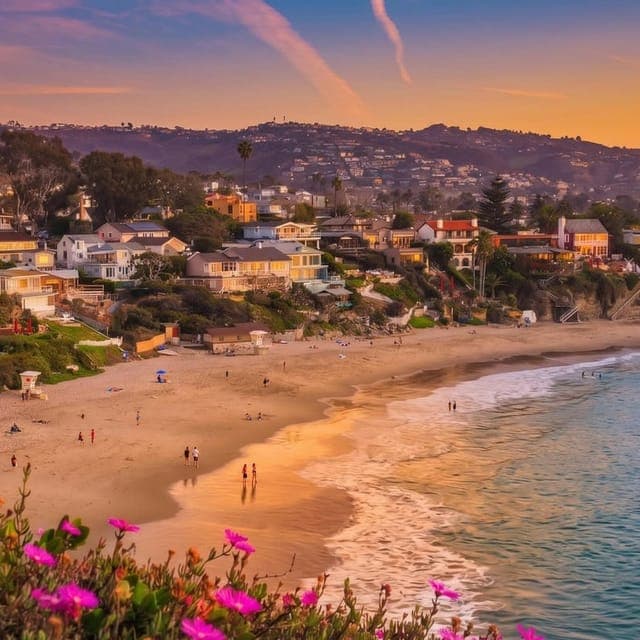
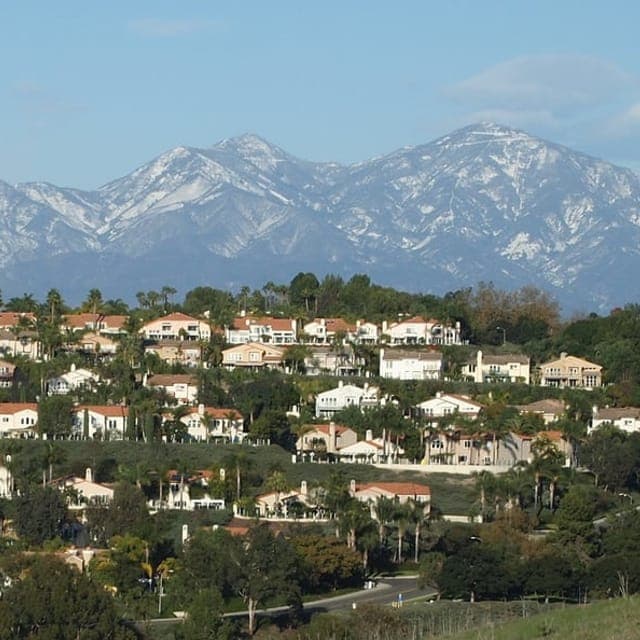
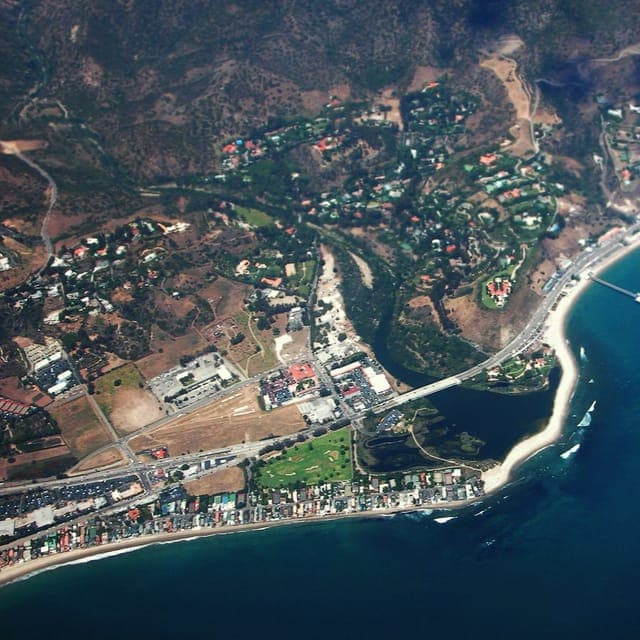
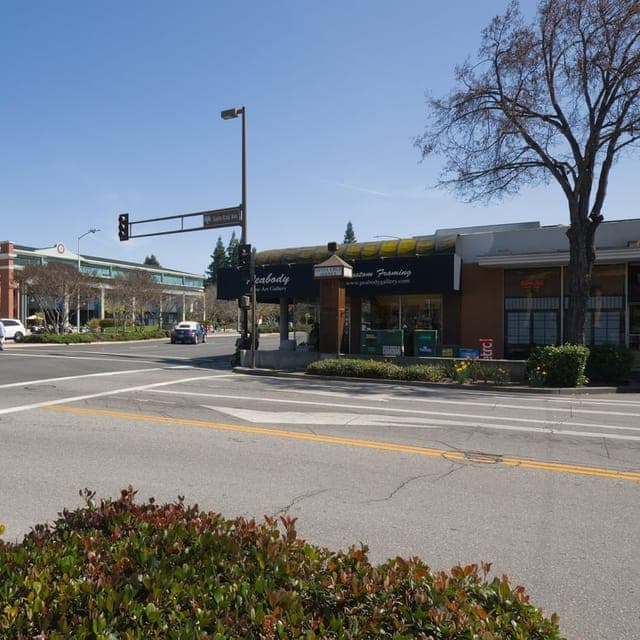
Top Cities for Quality of Life in California
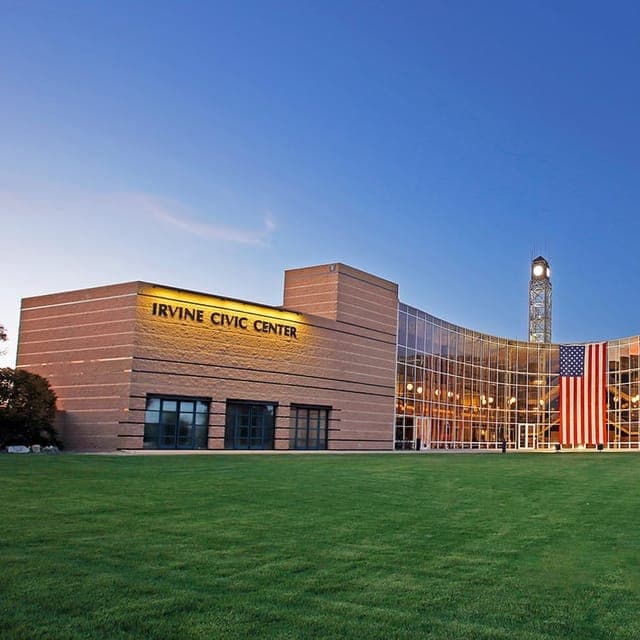

* Values derived from national, state, county, city and local statistics and may differ in a specific area. Last updated: 2026-08-03T15:48:32.000Z
Narrative content on this page is AI-generated and may contain mistakes. Verify any details that matter before acting on them.
ReloMaps may earn a commission from affiliate links at no extra cost to you.

