
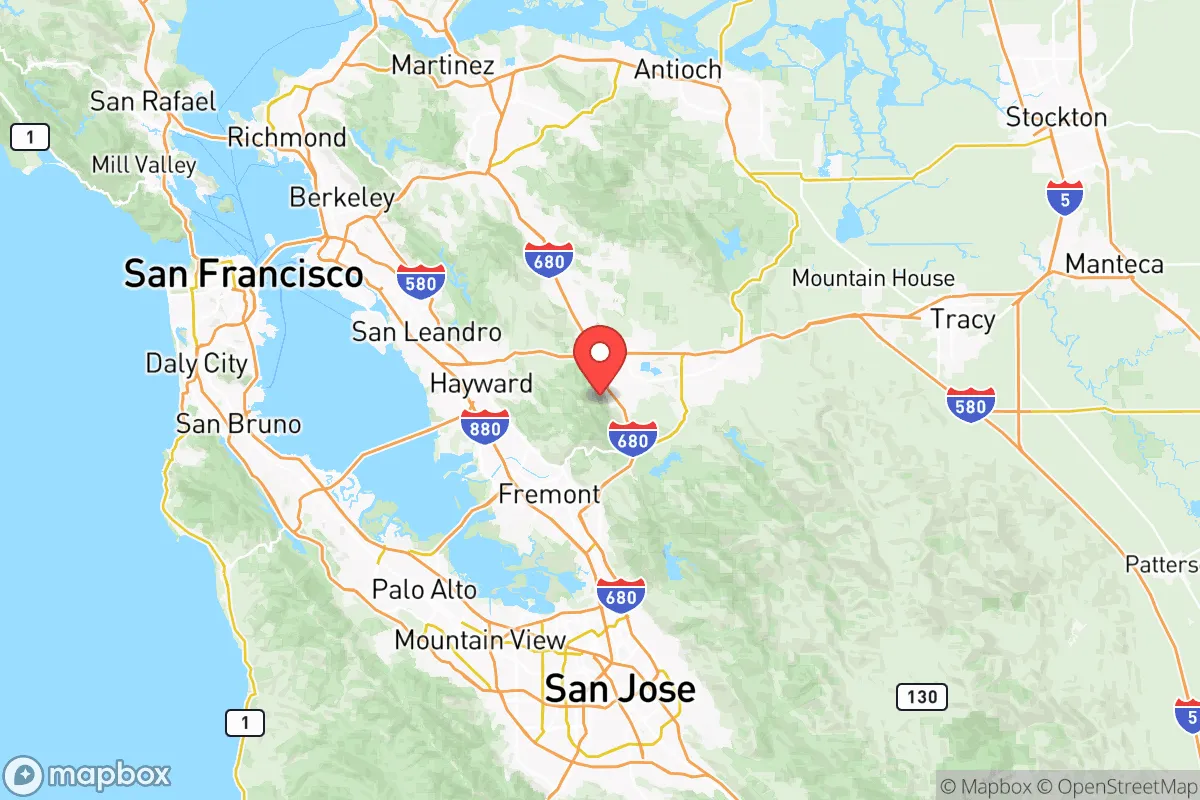
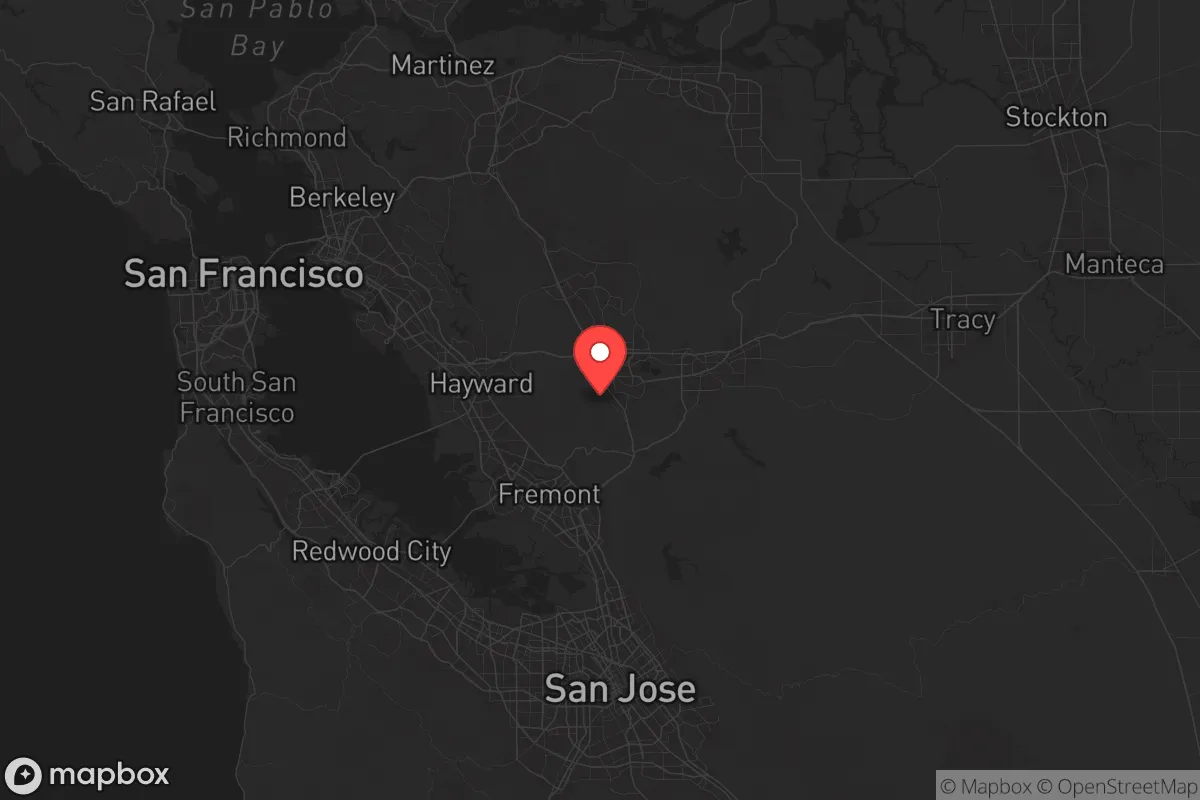
Photo: Wikipedia
Personal Sovereignty in Alameda County
Viable for self-reliance. Generally workable, though some barriers may limit total independence.
What does Personal Sovereignty tell us?
Personal Sovereignty measures your capacity for self-reliance and independence with minimal government friction. Higher scores mean fewer barriers between you and the way you want to live... but it assumes you have the space you need and good neighbors.
What does this tell us?
Personal Sovereignty measures your capacity for self-reliance and independence with minimal government friction. Higher scores mean fewer barriers between you and the way you want to live... but it assumes you have the space you need and good neighbors.
State Policy
Energy independence: Importer (33% of energy produced in-state)
Personal Liberty
Homesteading

Personal Liberty Analysis
For individuals and families prioritizing personal sovereignty, Alameda County presents a deeply challenging environment shaped by California’s expansive state-level mandates and a local governance structure that amplifies regulatory oversight. The county’s 1.6 million residents operate under some of the nation’s most restrictive laws regarding taxation, self-defense, property use, and medical autonomy, with local enforcement often exceeding state minimums. While the urban core of Oakland and Berkeley drives progressive policy, outlying areas like Livermore, Pleasanton, and the rural eastern fringe near Sunol offer slightly more breathing room—though none escape the heavy hand of Sacramento. This analysis examines the specific constraints on autonomy across Alameda County, naming the towns where regulatory posture shifts and where preppers, homesteaders, and liberty-minded individuals might find marginal advantages.
Tax burden and regulatory posture across Alameda County cities
Alameda County’s tax environment is among the most aggressive in the nation, with a combined state and local sales tax rate reaching 10.25% in Oakland and Berkeley, while Livermore and Dublin sit at 9.25%. Property taxes, capped by Proposition 13 at roughly 1% of assessed value, are compounded by some of the highest effective property tax rates in the country due to voter-approved parcel taxes and school bonds—common in Pleasanton and Fremont. The county’s regulatory posture is equally burdensome: the Bay Area Air Quality Management District imposes strict emissions rules on everything from wood-burning stoves to lawn equipment, and the Alameda County Planning Department enforces zoning codes that make even modest home-based businesses a bureaucratic ordeal. For those seeking to minimize government entanglement, the unincorporated areas like Sunol and the rural pockets near Castro Valley offer fewer layers of local oversight, though state-level regulations on water rights, septic systems, and building permits remain in full force. The county’s business climate ranks in the bottom 10% nationally for regulatory freedom, according to the Mercatus Center, with permitting delays averaging 6-12 months for new construction.
Self-defense rights and gun law specifics in Alameda County
Alameda County is a may-issue jurisdiction for concealed carry permits, meaning the sheriff’s office retains near-total discretion—and in practice, permits are rarely granted to ordinary citizens. The Alameda County Sheriff’s Office has historically issued fewer than 100 CCW permits annually for a population of 1.6 million, a rate far below rural counties like Plumas or Modoc. After the Supreme Court’s Bruen decision, the county loosened criteria slightly, but applicants still face a $300+ fee, 16-hour training requirement, and a background check that scrutinizes social media posts. Local ordinances in Oakland and Berkeley ban firearms from city-owned buildings and parks, and Berkeley has a municipal ordinance prohibiting the sale of ammunition within city limits. For gun owners, the most viable option is to live in the county’s eastern edge—Livermore and Pleasanton have more permissive local attitudes, and the Livermore-Pleasanton Rod & Gun Club offers a rare legal shooting range. However, California’s statewide assault weapons ban, magazine capacity limits, and red flag laws apply uniformly, making Alameda County one of the most restrictive environments for self-defense in the United States. Preppers should note that ammunition purchases now require background checks and are subject to a state database, and private firearm transfers must go through a licensed dealer.
Self-reliance and homesteading viability: lot sizes, zoning, and off-grid feasibility
True homesteading within Alameda County is nearly impossible due to dense zoning and strict building codes. The county’s minimum lot size in agricultural zones is 5 acres, but most land zoned for farming is concentrated in the eastern Livermore Valley and the Sunol Valley, where parcels of 10-40 acres occasionally come on the market. Even there, off-grid living faces severe legal hurdles: the Alameda County Health Department mandates that all dwellings have a permitted septic system and connection to a public water supply or an approved well, with annual water quality testing required. Solar panels are allowed but must be grid-tied unless the property is in a remote area with no utility access—a rarity in this county. Rainwater collection is legal but capped at 5,000 gallons per property, and composting toilets are only permitted with a variance that can take years to obtain. For those seeking a more self-reliant lifestyle, the unincorporated community of Sunol offers the best prospects, with some parcels zoned for agriculture and a small-town feel. However, the county’s ban on new gas stations in certain zones and restrictions on livestock (no roosters in residential areas, limits on goat and sheep numbers) make even modest hobby farming a regulatory maze. Pleasanton’s historic downtown has some older lots with larger backyards, but zoning prohibits keeping chickens or bees without a permit. For serious preppers, the eastern county near the Altamont Pass is the only area where a 10-acre parcel with a well and septic might be feasible—but expect property prices above $1 million for raw land.
Personal liberties: parental rights, medical autonomy, speech, and property
Alameda County is a bellwether for progressive governance, and personal liberties are heavily circumscribed by state and local mandates. Parental rights are significantly limited: California’s Education Code allows schools to withhold information about a child’s gender identity from parents, and Alameda County school districts—including Oakland Unified and Berkeley Unified—have explicit policies supporting this. Vaccine mandates for school attendance are strictly enforced, with no personal belief exemptions allowed. Medical autonomy is similarly constrained: the county has some of the highest COVID-19 vaccination rates in the state, and local health officers have imposed mask mandates and business closures that exceeded state orders. Free speech is protected under the First Amendment, but local ordinances in Berkeley and Oakland restrict public assembly permits and impose buffer zones around abortion clinics that limit sidewalk counseling. Property rights are weak: the county’s rent control ordinance in unincorporated areas caps annual rent increases at 3% plus inflation, and Oakland’s “just cause” eviction rules make it difficult to remove non-paying tenants. For those who value medical freedom, the rural areas near Livermore have a few independent doctors who accept cash payments, but the county’s health system is dominated by Kaiser Permanente and Sutter Health, which follow state mandates on vaccine requirements and treatment protocols. The county’s sanctuary city policies in Oakland and Berkeley also mean that local law enforcement does not cooperate with federal immigration authorities, which can be a concern for those who prioritize rule of law.
In the broader context of personal sovereignty, Alameda County ranks among the most restrictive jurisdictions in the United States for liberty-minded individuals. The combination of high taxes, near-total gun control, prohibitive homesteading regulations, and eroded parental and medical rights creates an environment where self-reliance is actively discouraged. While the eastern towns of Livermore, Pleasanton, and Sunol offer marginal relief—with larger lots, slightly lower taxes, and a more conservative local culture—they remain subject to the same state-level constraints that make California a difficult place for preppers and survivalists. For those who prioritize autonomy above all else, relocation to states like Texas, Idaho, or Montana—where counties like Burnet or Bonner offer far greater freedom—is a more viable long-term strategy. Alameda County’s appeal lies in its economic opportunities and natural beauty, but for those seeking to live by their own rules, the price of admission is too high.

* Values derived from national, state, county, city and local statistics and may differ in a specific area. Last updated: 2026-05-11T21:35:19.000Z
Narrative content on this page is AI-generated and may contain mistakes. Verify any details that matter before acting on them.
ReloMaps may earn a commission from affiliate links at no extra cost to you.

