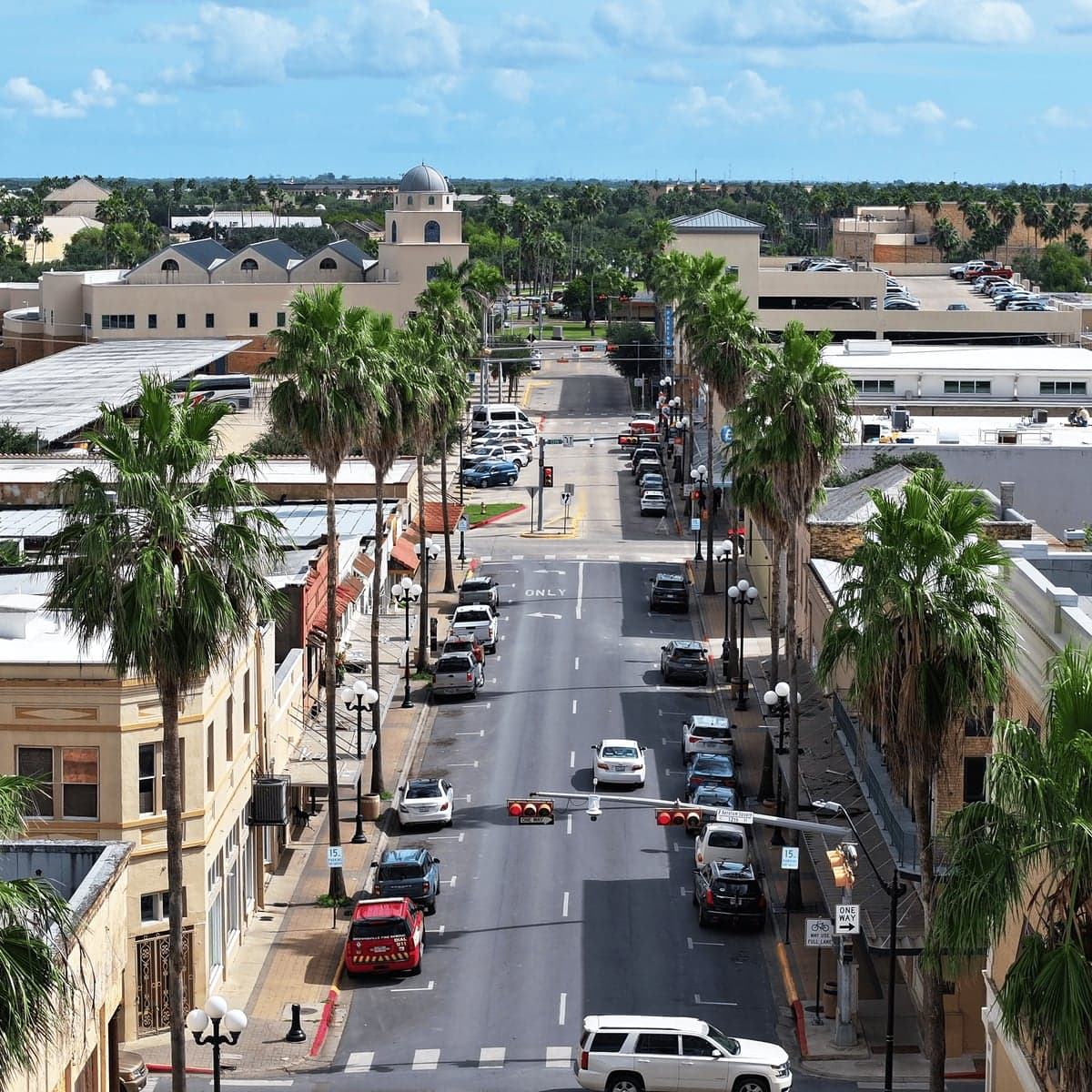
Photo: brownsvilletx.gov
Strategic Assessment of Brownsville, TX
Workable tactical position. Some exposure to population density or targets, but generally defensible in a crisis.
What does the Strategic Assessment tell us?
Our Strategic Assessment grades tactical survivability of an area. Major population centers, military targets, fallout zones, natural disasters, and border exposure all drive risk — lower exposure means a more defensible position in a crisis.
This is heavily inspired by Joel Skousen's Strategic Relocation book. Highly recommended you checkout the book ($)What does this tell us?
Our Strategic Assessment grades tactical survivability of an area. Major population centers, military targets, fallout zones, natural disasters, and border exposure all drive risk — lower exposure means a more defensible position in a crisis.
This is heavily inspired by Joel Skousen's Strategic Relocation book. Highly recommended you checkout the book ($)Strategic Pillars

Key Distances
Regional Safe Places
Below is our recommended "safe zones" in Texas and the surrounding area based on our strategic heuristics. For most people, it's unrealistic to live in a “safe zone” full-time due to work, family or other personal reasons. They tend to be more rural. However, many of these areas are perfect for second homes and retreat properties that double as a vacation home or even a short-term rental.

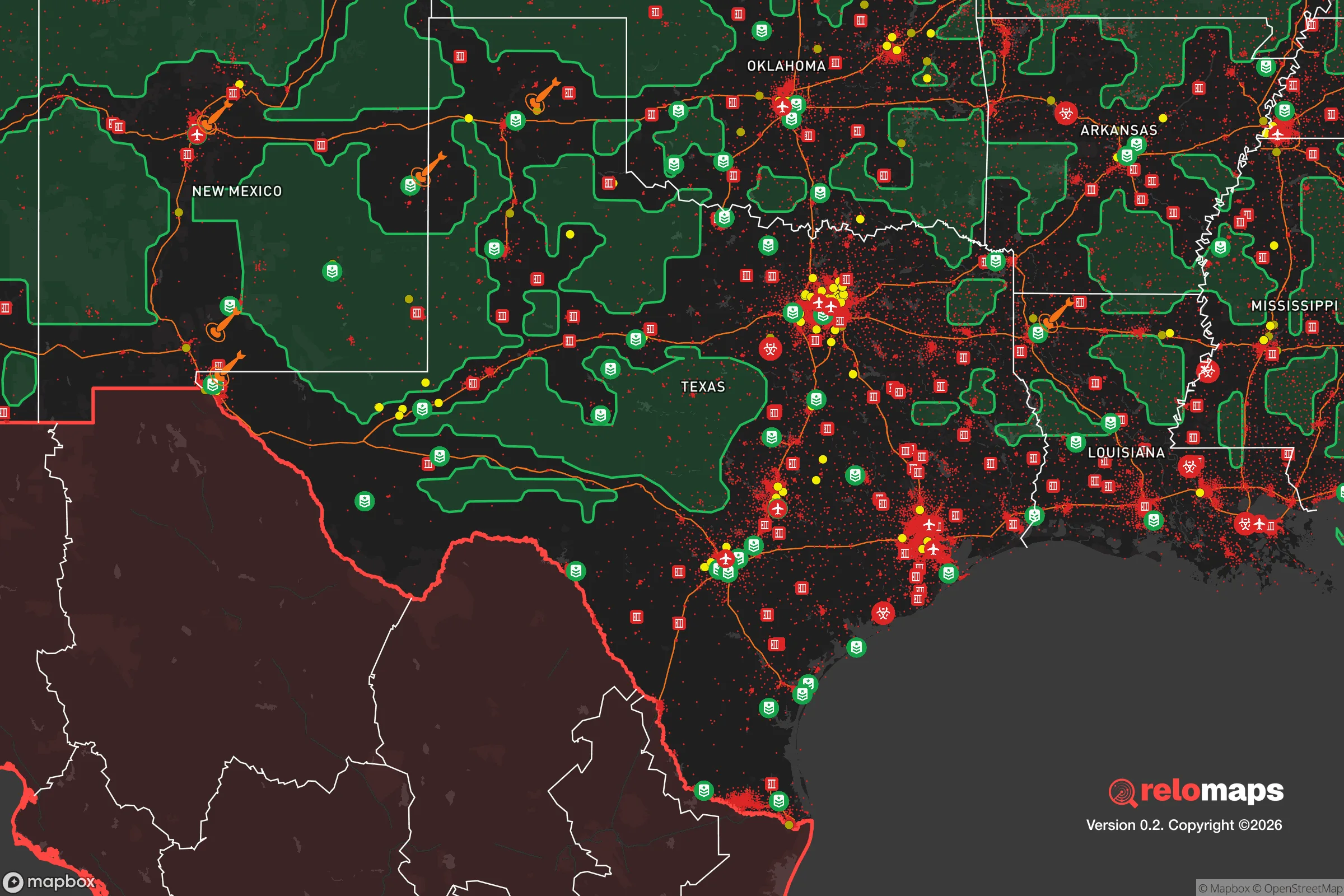


Important Note: For informational purposes only. This does not mean nothing bad ever happens in the green zones. Please use common sense. This is based on public data and modeled with AI. We tried to take a conservative approach but mistakes happen. We update this regularly as new information becomes available.
Solar Generator Recommendations
Backup power matters more here than in safer locations. We've picked three solar generators across budgets and capacity tiers — start with the budget unit if you only need a few essentials, or step up if you want to run a fridge and HVAC for days at a time.

Jackery Portable Power Station Explorer 300
Budget OptionPower on the Go: Weighing only 11 lbs, it's convenient to set up and store with book-sized foldable solar panels

BLUETTI Portable Power Station AC180
Designed for both indoor and outdoor scenarios, AC180 is highly capable as it has a robost capacity and continuous output power.

EF ECOFLOW DELTA Pro Ultra Power Station
Upgraded PickEcoFlow DELTA Pro Ultra is a whole-home energy system designed to grow with your family. Integrated with the Smart Home Panel 2, it scales to meet your evolving energy needs — keeping your home powered, intelligent, and secure through every stage of life.
We earn a commission, at no additional cost to you.
Strategic Assessment Analysis
Brownsville, Texas, offers a unique strategic proposition for those prioritizing resilience and self-sufficiency: it sits at the southernmost tip of the continental U.S., far from the political and population centers that are most likely to see unrest, yet it retains critical infrastructure and a growing economic base. Its location on the Rio Grande, with direct access to the Gulf of Mexico and a major international bridge, provides both a buffer and a lifeline. For the conservative-minded relocator looking to avoid the chaos of blue-state metros and the fallout zones of major targets, Brownsville represents a low-profile, high-potential anchor point in a volatile world.
Geographic isolation and natural advantages for long-term security
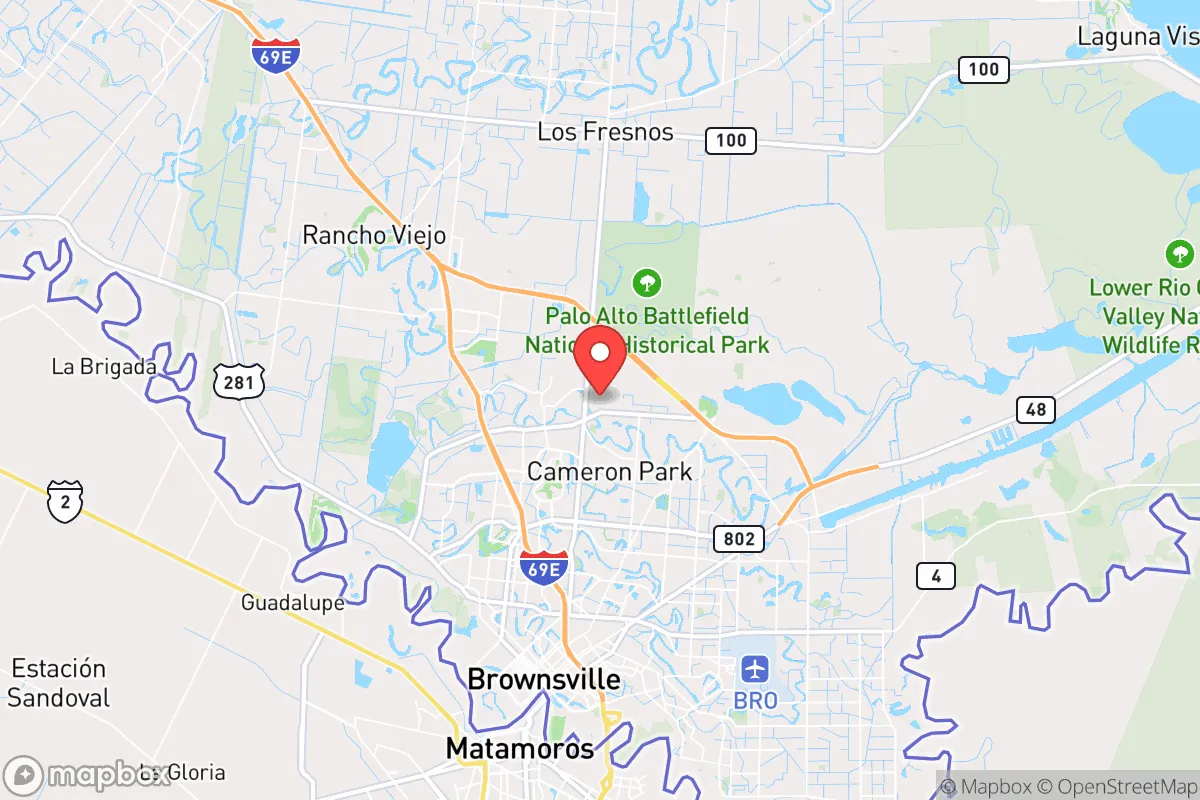
Brownsville’s primary strategic asset is its physical distance from the nation’s most vulnerable and volatile regions. It lies roughly 250 miles south of San Antonio and over 350 miles from Houston, placing it well outside the immediate blast radius or fallout plume of any major city targeted in a conflict. The surrounding landscape—flat, semi-arid ranchland and the Laguna Madre estuary—offers few choke points for an invading force or a fleeing mob, but it also means the area is not a natural corridor for mass migration. The Rio Grande itself is a double-edged sword: it provides a water source and a natural boundary, but it also means the border is a constant source of low-grade tension. For a prepper, this is manageable—the border is heavily patrolled, and the local population is accustomed to the reality of it. The real advantage is that Brownsville is not a strategic military target. There are no major military bases, no nuclear power plants, and no critical national command centers within 100 miles. The Port of Brownsville is a working industrial port, not a naval hub, making it a low-priority target in any conventional conflict. The climate is subtropical, with mild winters and long growing seasons—ideal for extended food production if you have the land and water rights. The area’s flat terrain also makes it easy to set up solar panels, wind turbines, or rainwater catchment systems without the topographic challenges of hill country.
Exposure to border instability, hurricane risk, and proximity to sensitive infrastructure
No strategic assessment is honest without acknowledging the downsides. Brownsville’s greatest risk is its location on the border. While the day-to-day security situation is manageable for locals, a collapse of federal authority or a mass migration event could turn the Rio Grande Valley into a pressure cooker. The city is a major entry point for illegal crossings, and while the local economy depends on cross-border trade, a sudden surge in cartel violence or a breakdown of order in Matamoros could spill over. The nearby SpaceX facility at Boca Chica is a unique concern: it’s a high-profile, privately-owned spaceport that could become a target for sabotage or a focal point for federal attention in a crisis. It’s not a nuclear plant, but it’s a sensitive asset that could draw unwanted scrutiny. Hurricane risk is real and recurring. The Gulf Coast is hit by major storms every few years, and Brownsville’s low elevation means storm surge and flooding are genuine threats. The city’s infrastructure—power grid, water treatment, roads—is not built for a Category 4 or 5 direct hit. A storm could knock out utilities for weeks, and the flat terrain offers no natural shelter. Additionally, the area’s reliance on the Rio Grande for water is a vulnerability: if the river were contaminated or if upstream dams were compromised, the city’s water supply could be disrupted. For a relocator, this means you need to plan for self-sufficiency in water storage, backup power, and a bug-out route north or west if a storm is forecast.
Practical resilience: food, water, energy, and defensibility for a relocator
For the individual or family looking to set up a resilient homestead, Brownsville offers a mixed but workable picture. The growing season is nearly year-round, and the soil, while sandy, can be amended for vegetable production. Local farmers’ markets and the proximity to the Port of Brownsville mean that bulk food imports—rice, beans, grains—are readily available and relatively cheap. Water is the critical concern. The city’s municipal supply comes from the Rio Grande, which is subject to drought and treaty allocations with Mexico. A well is the gold standard, but groundwater in the region can be brackish or high in minerals, requiring treatment. Rainwater catchment is viable given the 25-30 inches of annual rainfall, but storage capacity must be substantial to get through dry spells. Energy is a bright spot: the area has excellent solar insolation, and net metering policies in Texas (though subject to change) make solar a solid investment. Natural gas is abundant and cheap, and the port provides access to fuel supplies. Defensibility is a challenge. Brownsville is flat and open, with no natural high ground. A rural property with a good perimeter, a well, and a solar array is your best bet. The local culture is heavily Hispanic and Catholic, with a strong family orientation and a general distrust of federal overreach—this aligns well with a conservative, self-reliant mindset. The gun culture is present but not as pronounced as in rural Texas; you’ll find like-minded people, but you won’t be surrounded by a militia. The biggest practical advantage is that land is still relatively affordable compared to the rest of Texas, and the cost of living is low. You can buy a small ranch or a few acres with a house for what a condo costs in Austin.
The overall strategic picture for Brownsville is one of calculated trade-offs. It offers genuine isolation from the most likely flashpoints of national unrest—the coastal megacities, the political capitals, the nuclear targets—and a climate that supports long-term subsistence. But it comes with real exposure to border instability, hurricane risk, and a water supply that is not fully under your control. For the conservative relocator who values low cost, low profile, and a long growing season, and who is willing to invest in off-grid infrastructure and a solid bug-out plan for hurricane season, Brownsville is a viable, under-the-radar option. It is not a fortress, but it is a place where a prepared family can ride out the storm—literally and figuratively—while staying out of the crosshairs of the chaos to come.

* Values derived from national, state, county, city and local statistics and may differ in a specific area. Last updated: 2026-04-11T04:40:45.000Z
Narrative content on this page is AI-generated and may contain mistakes. Verify any details that matter before acting on them.
ReloMaps may earn a commission from affiliate links at no extra cost to you.

