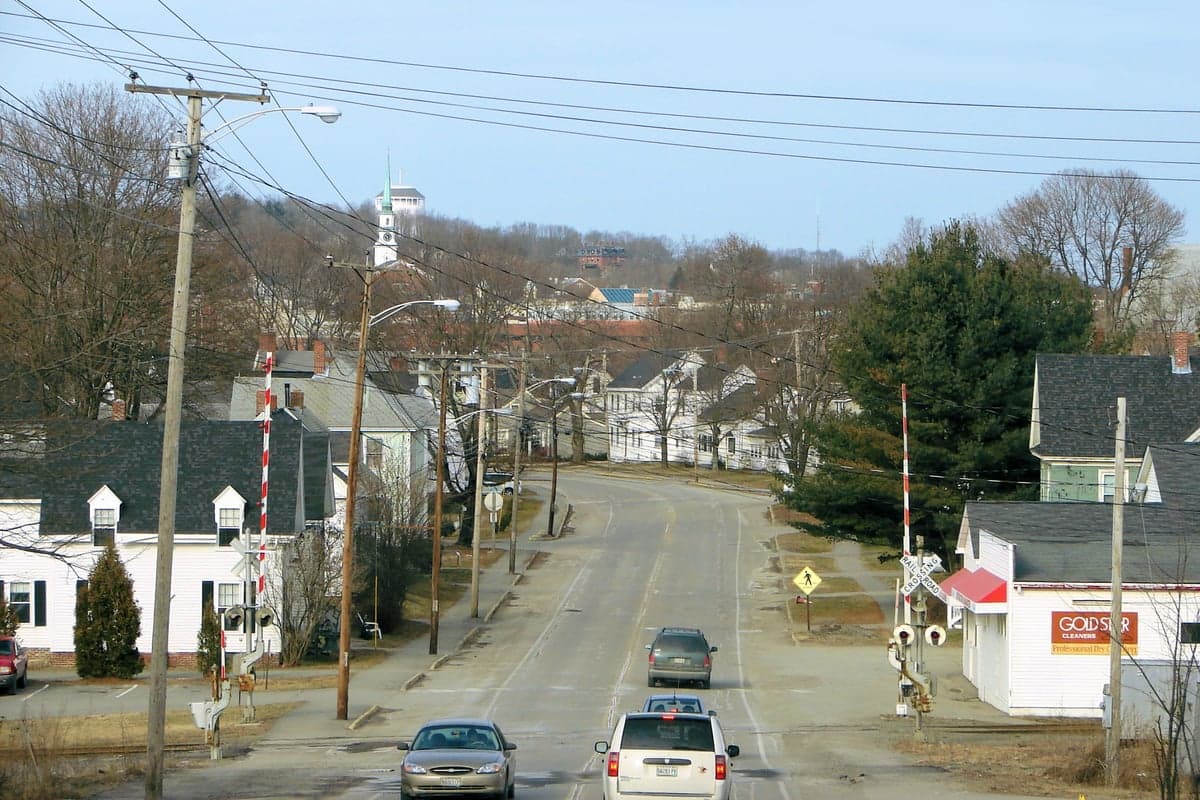
Photo: Wikipedia
Political ClimatePolitical Climate in Brewer, ME
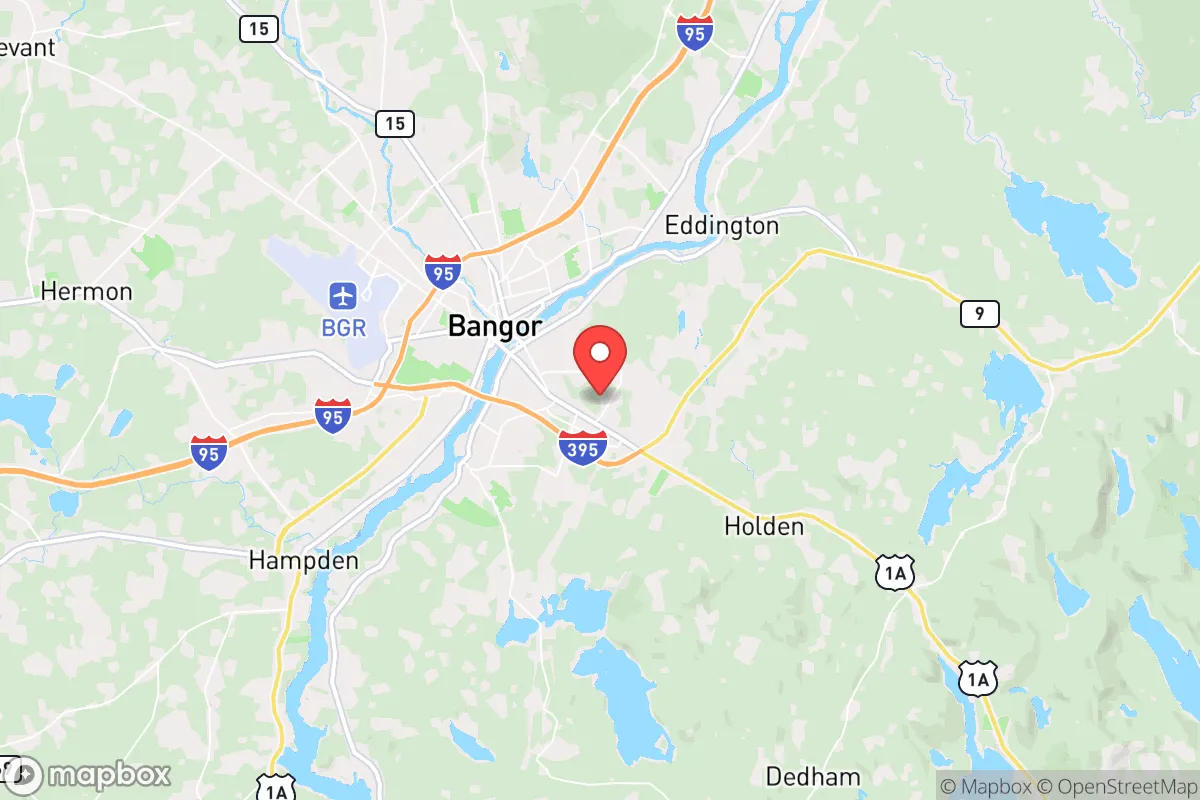
District shown is the primary district for this city’s centroid. Cities may span multiple districts.
Local Political AnalysisPolitical Analysis of Brewer, ME
Brewer, Maine, has long been a reliably conservative community, and the numbers back that up with a Cook PVI of R+4, meaning it votes about four points more Republican than the national average. But if you’ve lived here as long as I have, you know that’s not just a statistic—it’s a reflection of a town that values personal responsibility, limited government, and the freedom to live your life without a bunch of red tape. That said, things are shifting, and not necessarily for the better. The political climate here is still solidly red-leaning, but you can feel the pressure from the progressive policies creeping up from Portland and Augusta, and it’s starting to wear on folks who just want to be left alone.
How it compares
Drive ten minutes west to Bangor, and you’ll see a different world. Bangor is more of a purple-to-blue area, with a stronger union presence and a younger, more transient population that tends to lean left. Brewer, on the other hand, has always been the quieter, more family-oriented side of the Penobscot River. We don’t have the same kind of activist energy or the constant push for new regulations. Compare us to a place like Orono, home to the University of Maine, where the politics are decidedly progressive—Brewer feels like a breath of fresh air in that regard. But the concern is that as the state government in Augusta keeps pushing mandates on everything from energy to land use, even a conservative town like Brewer can’t fully escape the overreach. The contrast with nearby towns like Holden or Eddington, which are even more rural and conservative, shows that Brewer is still a relative bastion of common sense, but the buffer is shrinking.
What this means for residents
For the people who live here, the political climate means you can generally count on your local officials to be skeptical of new taxes and unnecessary bureaucracy. The city council tends to lean conservative, and there’s a strong undercurrent of “we know what’s best for our own town” that pushes back against state-level mandates. But it’s not a perfect shield. You see it in things like the push for more affordable housing mandates or the pressure to adopt stricter environmental rules that sound good on paper but end up costing small businesses and homeowners. For a resident, this means you have to stay engaged. If you don’t show up to town meetings or vote in local primaries, you might wake up to find a new zoning law that limits what you can do with your own property. The long-term trend is concerning: as more people move up from southern Maine, they bring their politics with them, and Brewer could slowly drift toward the same kind of progressive groupthink that’s already choking places like Portland.
Culturally, Brewer still holds onto a lot of the old-school Maine values—self-reliance, neighborly help without government involvement, and a healthy distrust of politicians who promise to fix everything with more programs. You won’t see a lot of flashy protests or political yard signs everywhere, but the sentiment is clear: people here want to be left alone to work, hunt, fish, and raise their families without someone in Augusta telling them how to do it. The biggest policy distinction is the local resistance to overreaching state mandates, especially around land use and energy. There’s a real fear that the next wave of “green” policies will hit rural towns like ours hardest, with higher heating costs and restrictions on everything from wood stoves to vehicle choices. If you’re looking for a place that still values personal freedom and isn’t afraid to say no to government overreach, Brewer is a good bet—for now. But keep an eye on the local elections, because the fight to keep it that way is only getting tougher.

State Political ClimatePolitical Climate in Maine
State Political AnalysisPolitical Environment in the State
Maine has long been known as a politically independent state, but over the past 20 years it has shifted from a reliably moderate-to-liberal New England enclave into a state with a stark urban-rural split that now leans solidly Democratic at the statewide level. The state’s two congressional districts tell the story: the 1st District (coastal and southern) is deep blue, while the 2nd District (northern and inland) is a competitive red-leaning seat. Since 2016, Maine has voted for the Democratic presidential candidate by margins of 3 to 9 points, but the state’s libertarian streak and independent voter bloc—the largest in the nation—mean that no election is a foregone conclusion. For a conservative considering relocation, the key takeaway is that Maine offers a mixed bag: low crime and beautiful landscapes, but a policy environment that has become increasingly progressive, especially in the Portland metro area.
Urban vs. rural divide
The political map of Maine is essentially a tale of two regions. The southern coast, anchored by Portland and its suburbs like South Portland and Scarborough, is the engine of Democratic power. These areas are dense, affluent, and culturally aligned with the broader Northeast liberal consensus. In contrast, the vast interior and northern reaches—places like Bangor, Lewiston, Augusta, and the rural counties of Aroostook, Piscataquis, and Somerset—are where Republicans and independents hold sway. The 2nd Congressional District, which covers most of the state’s landmass, has flipped between parties multiple times in the last decade. In 2020, Donald Trump won it by 7 points, but in 2022, Democrat Jared Golden held the seat by a narrow margin. The divide is not just about population density; it’s about economic base. Coastal towns thrive on tourism, healthcare, and education, while inland areas depend on logging, farming, and manufacturing—industries that have felt the sting of regulation and trade policy. A conservative moving to Maine should understand that living in Portland means living in a blue bubble, while towns like Brewer or Presque Isle offer a more traditional, self-reliant culture.
Policy environment
Maine’s state-level policy has moved steadily leftward over the past decade, driven by the Portland delegation and a Democratic trifecta in the legislature and governor’s office since 2018. The tax burden is high: Maine has a progressive income tax with a top rate of 7.15%, and property taxes are among the highest in the nation, often exceeding 1.5% of home value annually. The state has expanded Medicaid under the Affordable Care Act, and it mandates paid family leave and a $15 minimum wage. On education, Maine has a strong public school system, but school choice is limited—charter schools are few and tightly regulated, and homeschooling is legal but requires annual notification and standardized testing. Election laws are a bright spot for conservatives: Maine uses ranked-choice voting for federal offices, which some argue dilutes majority rule, but the state also has same-day voter registration and no voter ID law, which raises concerns about election integrity. The state’s regulatory posture is generally business-friendly for small enterprises, but environmental regulations are strict, especially along the coast. For a conservative, the policy environment feels like a slow creep toward government expansion, with the state taking a larger role in healthcare, labor, and education.
Trajectory & freedom
Maine’s trajectory over the last five years has been one of expanding government control in areas that directly affect personal liberty. The most concerning trend for conservatives is the erosion of Second Amendment rights. In 2023, after a mass shooting in Lewiston, the legislature passed a suite of gun control measures, including a 72-hour waiting period for firearm purchases, a ban on bump stocks, and expanded background checks for private sales. These laws were signed by Governor Janet Mills, a Democrat, and they represent a significant departure from Maine’s historically permissive gun culture. On parental rights, the state has moved in the opposite direction of many red states: in 2021, Maine passed a law allowing minors to receive gender-affirming care without parental consent, and the state’s Department of Education has pushed LGBTQ+ inclusive curricula that some parents find intrusive. Medical freedom took a hit during the pandemic, with Maine having some of the longest-lasting mask and vaccine mandates in the Northeast. On the positive side, Maine has no state income tax on Social Security benefits, and it offers a property tax fairness credit for homeowners. But the overall trajectory is clear: the state is becoming less free in the areas of self-defense, medical autonomy, and parental authority. A conservative moving here should expect to fight for these freedoms at the local level.
Civil unrest & political movements
Maine is not known for widespread civil unrest, but there have been notable flashpoints. The 2023 Lewiston shooting, which left 18 dead, sparked intense debate over gun laws and mental health, with both sides holding rallies at the state capitol in Augusta. The state has a small but vocal secession movement in the northern counties, with groups like the “State of Maine” movement pushing for independence from the southern coastal region, though this remains fringe. Immigration politics are relatively quiet compared to southern border states, but the city of Portland has declared itself a “sanctuary city,” limiting cooperation with federal immigration enforcement. This has caused tension with rural towns that feel the strain on social services. Election integrity has been a recurring issue: in 2020, Maine was one of the first states to implement universal mail-in voting, and while no major fraud was found, the lack of voter ID remains a concern for many conservatives. The most visible political movement is the rise of the Maine Republican Party’s grassroots wing, which has successfully flipped several state legislative seats in rural districts. However, the party remains divided between moderates and Trump-aligned conservatives, limiting its statewide effectiveness.
Projection
Looking ahead 5 to 10 years, Maine is likely to become more Democratic at the statewide level, driven by in-migration from Massachusetts, New York, and other blue states. These newcomers tend to be younger, wealthier, and more progressive, and they are concentrated in the southern coast. The 2nd Congressional District will remain competitive, but demographic trends favor the left. The state’s tax burden and regulatory environment are unlikely to improve, as the Portland delegation continues to push for higher spending on social programs and green energy mandates. However, there is a counter-trend: the rise of remote work has allowed some conservatives to move to rural Maine for the low cost of living and quality of life, potentially slowing the leftward shift. The wildcard is the independent voter bloc, which could swing the state back toward the center if the Democratic Party overreaches on issues like gun control or education. For a conservative moving in now, the realistic expectation is that Maine will be a purple state with a blue tint, where local elections matter more than national ones.
For a conservative considering relocation, Maine offers a beautiful, safe, and relatively affordable place to live, but it comes with a government that is increasingly comfortable telling you how to live. The bottom line: if you want to live in a place where your vote counts and your values are respected, you’ll need to settle in a rural or northern town like Bangor or Presque Isle, and you’ll need to stay engaged in local politics. The Portland area is a lost cause for conservatives, but the rest of the state still has a fighting chance. Just be prepared to pay high property taxes and to defend your gun rights and parental authority at every turn.
* Values derived from national, state, county, city and local statistics and may differ in a specific area. Last updated: 2026-05-01T10:44:49.000Z
Narrative content on this page is AI-generated and may contain mistakes. Verify any details that matter before acting on them.
ReloMaps may earn a commission from affiliate links at no extra cost to you.

