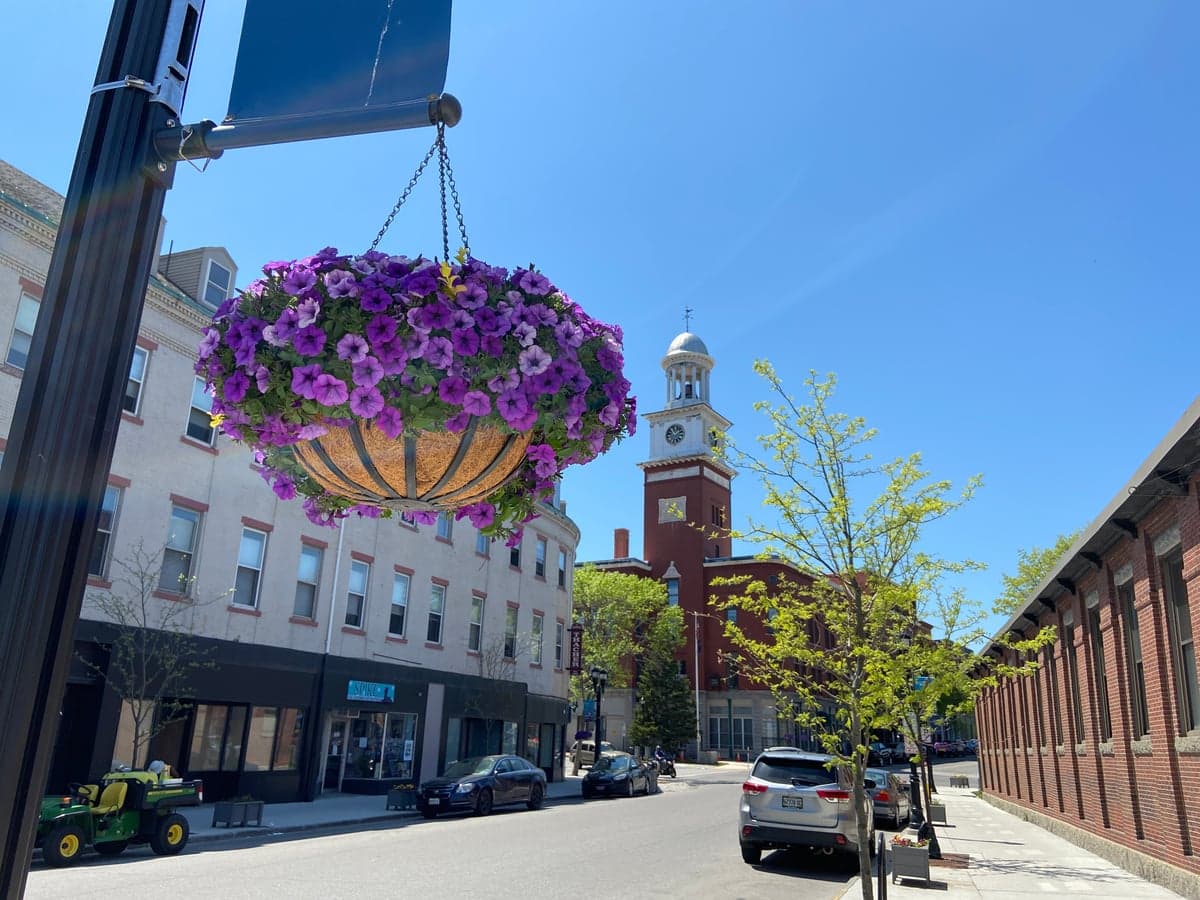
Photo: Wikipedia
Political ClimatePolitical Climate in Biddeford, ME
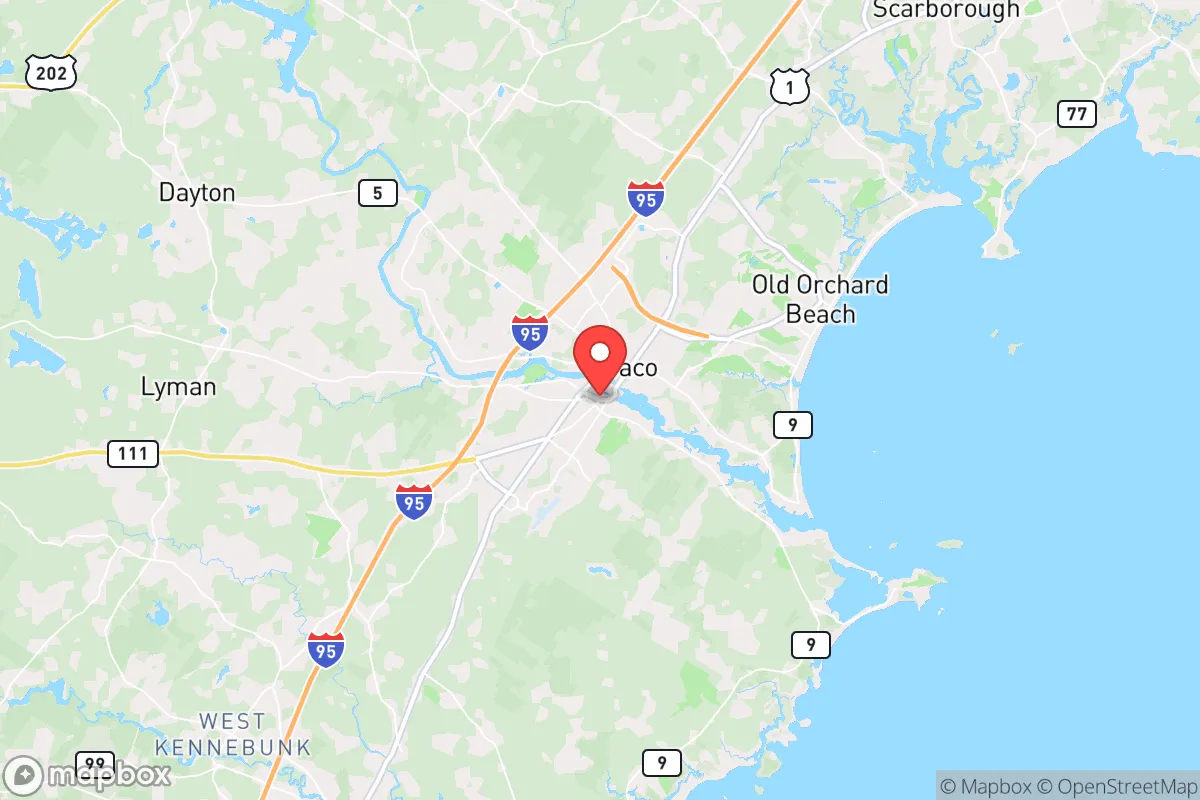
District shown is the primary district for this city’s centroid. Cities may span multiple districts.
Local Political AnalysisPolitical Analysis of Biddeford, ME
Biddeford used to be a place where folks kept to themselves and didn't expect the government to meddle in their daily lives, but the political winds have shifted hard over the last decade. The Cook PVI now sits at D+11, meaning the city leans heavily Democratic compared to the rest of the country, and that's a far cry from the independent, live-and-let-live spirit that defined this mill town for generations. You can feel it in the local elections, the school board meetings, and even in casual conversations at the grocery store — there's a growing push for progressive policies that a lot of us old-timers see as government overreach into our personal freedoms and rights.
How it compares
Drive ten minutes west to Saco, and you'll find a slightly more balanced mix, but it's still trending the same direction. Head north to Old Orchard Beach, and you get a tourist-driven economy that leans moderate, but Biddeford is the epicenter of the progressive shift in York County. The real contrast is if you go inland to places like Alfred or Sanford — those towns still vote more conservatively, with a stronger emphasis on property rights and limited government. Biddeford, though, has become a magnet for younger transplants from Portland and out-of-state, who bring with them a whole new set of ideas about how things should be run. The city council and school board have seen a steady turnover of folks who prioritize "equity" and "inclusion" over fiscal responsibility and individual liberty, and it shows in the rising tax burden and new regulations on everything from short-term rentals to how you can use your own land.
What this means for residents
For those of us who've lived here a while, the biggest concern is the erosion of local control. The city has adopted zoning changes that make it harder to run a small business out of your home or to build a simple garage without jumping through hoops. There's also been a push for more public spending on social programs, which sounds nice in theory, but it means higher property taxes for everyone — and that hits fixed-income residents and young families the hardest. The school system has shifted focus toward DEI initiatives and climate activism, which a lot of parents feel takes time away from core academics like math and reading. If you value personal freedom and want to be left alone to live your life without the government telling you how to do it, Biddeford is becoming a tougher place to call home.
One thing that stands out culturally is the city's embrace of "sanctuary city" policies, which effectively limit local law enforcement's cooperation with federal immigration authorities. While supporters say it builds trust, critics — myself included — see it as a direct challenge to the rule of law and a signal that the city prioritizes political ideology over public safety. The long-term trajectory is concerning: if the current trend holds, Biddeford will continue to drift further left, with more regulations, higher taxes, and less room for dissenting voices. For now, it's still a great place to grab a lobster roll or enjoy the riverwalk, but the political climate is something to keep a close eye on if you're thinking about putting down roots here.

State Political ClimatePolitical Climate in Maine
State Political AnalysisPolitical Environment in the State
Maine has a reputation as a moderate, independent-minded state, but the reality on the ground is more complicated. The state leans Democratic at the presidential level, having voted blue in every election since 1992, but it’s a softer shade of blue than its New England neighbors. The real story is a widening urban-rural split that has turned the state into a political battleground, with the southern coastal corridor pulling left while the vast northern and eastern counties dig in as Republican strongholds. Over the last 10-20 years, the state has shifted leftward on social issues and environmental policy, but a stubborn libertarian streak — especially around property rights and gun ownership — keeps it from becoming a full-on progressive laboratory.
Urban vs. rural divide
The political map of Maine is essentially a tale of two Maines. The southern coast, anchored by Portland and its suburbs like South Portland and Falmouth, is the engine of the state’s Democratic vote. These areas are dense, affluent, and increasingly populated by out-of-state transplants from Massachusetts and New York, who bring progressive voting habits with them. Portland itself is a deep-blue city where progressive activism on housing, climate, and social justice is the norm. Move inland or north, and the picture flips hard. Bangor, the state’s third-largest city, is a purple-to-red island in a sea of red, with Penobscot County trending Republican in recent cycles. The vast 2nd Congressional District, which covers everything north of Augusta, is one of the few rural districts in the Northeast that consistently elects Republicans to Congress. Counties like Aroostook, Piscataquis, and Franklin vote Republican by double digits, driven by a mix of logging, farming, and a fierce independent streak. The 2020 election saw Androscoggin County (home to Lewiston) flip from Obama to Trump, a sign that even working-class mill towns are moving rightward on economic and cultural grounds.
Policy environment
Maine’s policy environment is a mixed bag that reflects its split personality. On taxes, the state is moderately high: a top income tax rate of 7.15% and property taxes that rank among the highest in the nation as a percentage of home value. There’s no sales tax on groceries, but the general sales tax is 5.5%. The regulatory posture leans left, especially on environmental issues — Maine has aggressive climate goals, a ban on new large-scale wind projects in certain areas (though offshore wind is being pushed), and strict land-use rules that can frustrate property owners. Education policy is dominated by the teachers’ unions, and the state has a strong public school system, but school choice is limited compared to states like Florida or Arizona. Healthcare is heavily regulated, with a state-based exchange and Medicaid expansion under the Affordable Care Act. Election laws are relatively open: same-day voter registration, no-excuse absentee voting, and ranked-choice voting for federal and state offices. For a conservative-leaning resident, the biggest red flags are the high property taxes, the lack of school choice, and the growing regulatory burden on small businesses and landowners.
Trajectory & freedom
On the freedom front, Maine is a state of contradictions. On the positive side for conservatives, gun rights are robust. Maine has no permit requirement for concealed carry, no magazine capacity limits, and a strong preemption law that prevents local governments from passing their own gun restrictions. The state also has a strong tradition of property rights, though recent land-use regulations have chipped away at that. On the negative side, the trajectory has been toward more government control in several key areas. In 2023, the legislature passed LD 1610, a sweeping paid family and medical leave program funded by a new payroll tax — a clear expansion of the welfare state. The same year saw LD 2004, which tightened energy efficiency standards for rental properties, effectively mandating upgrades that landlords must pay for. Parental rights have come under pressure: in 2024, the state passed a law requiring schools to allow students to use names and pronouns without parental notification in some circumstances, a direct blow to family authority. Medical autonomy took a hit with the state’s strict vaccine mandates for healthcare workers, which remain in place despite legal challenges. The overall trend is toward a more active, interventionist state government, especially on social and environmental issues, even as the state’s libertarian heritage keeps some freedoms intact.
Civil unrest & political movements
Maine is not a hotbed of civil unrest, but there have been visible flashpoints. The most significant in recent years was the 2020-2021 protests in Portland, where Black Lives Matter demonstrations turned into nightly clashes with police, leading to property damage and a heavy police presence. The city’s progressive leadership responded by defunding the police slightly, though the force was later restored. On the right, the Maine Second Amendment Coalition is a well-organized force that has successfully blocked most gun control efforts, including a 2023 attempt to pass a red-flag law. Immigration politics are relatively quiet, but Portland has declared itself a sanctuary city, and the state has a policy of not cooperating with federal immigration enforcement in most cases. There have been election integrity controversies, mostly around the state’s use of ranked-choice voting, which Republicans argue disenfranchises rural voters. In 2020, the state saw a minor secession movement in Aroostook County, where some residents floated the idea of joining New Hampshire over frustration with Augusta’s policies. These are not widespread, but they signal a deep dissatisfaction in the northern reaches.
Projection
Looking ahead 5-10 years, Maine is likely to continue its slow leftward drift, driven by in-migration to the southern coast and the retirement of older, more conservative voters. The Portland metro area will become even more Democratic, while the rural north will hold firm but lose population. The key wildcard is the 2nd Congressional District, which could flip back and forth depending on national trends. The state’s tax burden is unlikely to decrease, and new regulations on energy, housing, and labor are probable. For a conservative-leaning newcomer, the best bet is to target the rural counties — Oxford, Franklin, Somerset — where property is cheaper, taxes are lower, and the culture is more traditional. But even there, the state government’s reach is growing. The biggest risk is that Maine becomes a smaller, older version of Vermont — a state with beautiful landscapes and a high cost of freedom.
For someone moving to Maine with a conservative perspective, the bottom line is this: you can find a community that shares your values, especially in the northern and western counties, but you’ll be fighting an uphill battle against a state government that is increasingly progressive. The trade-off is a beautiful, safe, and relatively uncrowded place to live, with strong gun rights and a tradition of self-reliance. Just be prepared to pay for it in taxes and regulation, and to keep an eye on Augusta every election cycle.
* Values derived from national, state, county, city and local statistics and may differ in a specific area. Last updated: 2026-04-19T09:22:53.000Z
Narrative content on this page is AI-generated and may contain mistakes. Verify any details that matter before acting on them.
ReloMaps may earn a commission from affiliate links at no extra cost to you.

