Photo: Wikipedia
Find The Best Places To Live
in Bedford
PRO TIP! You can paste a Zillow or Redfin link to get info on that property.
Compare Bedford with another place
What It's Like Living in Bedford, TX
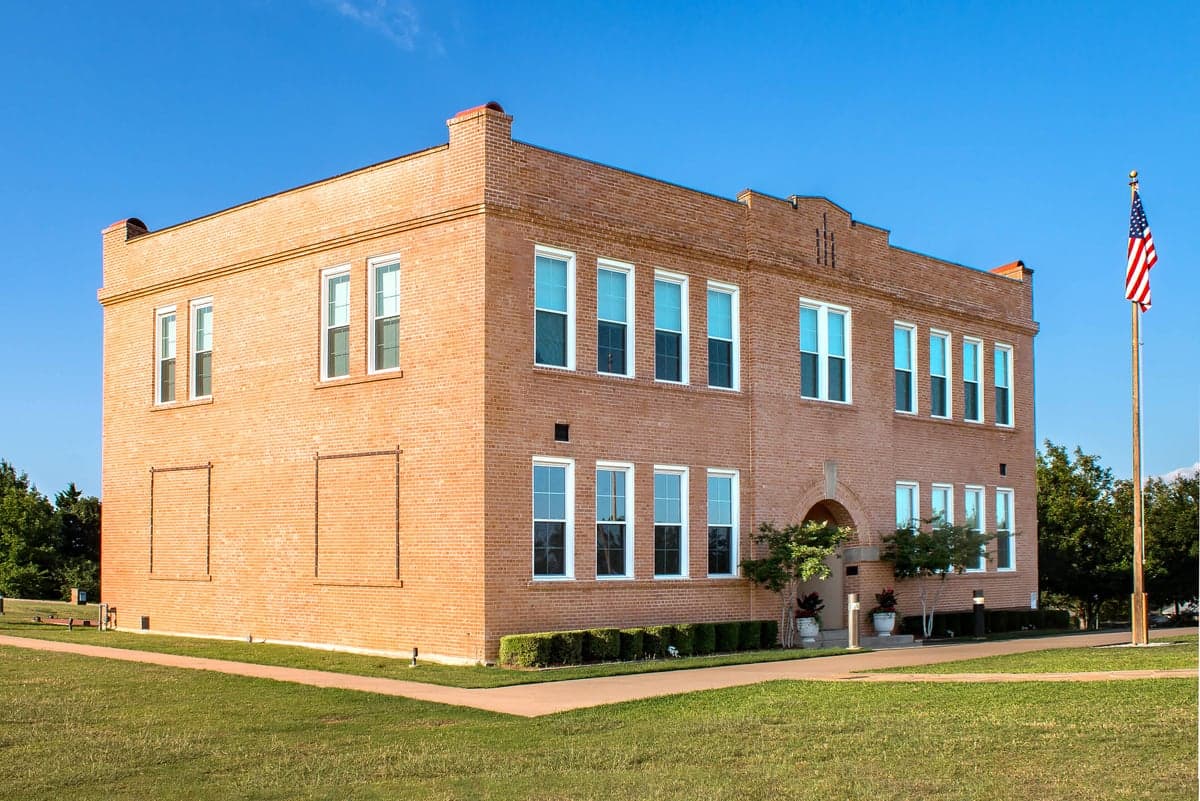
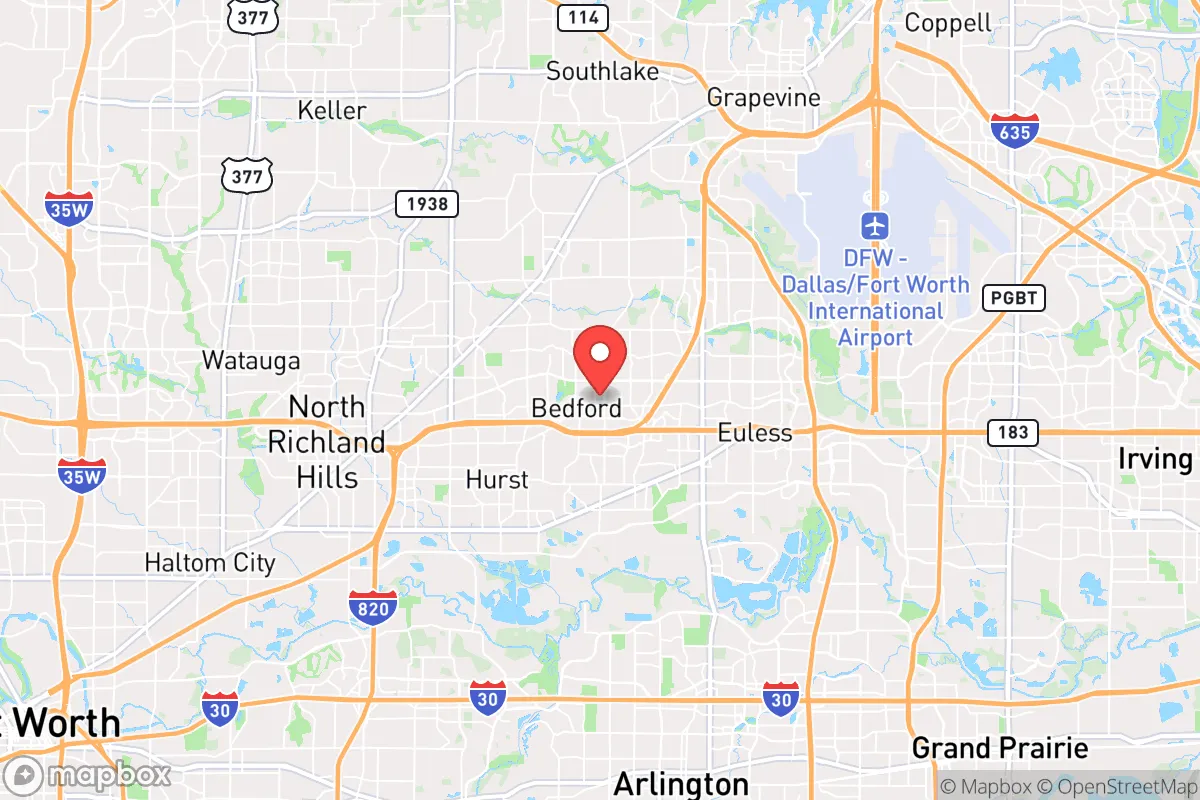
Bedford, Texas, feels like the quiet, steady friend in the middle of the DFW metroplex—not the flashy one, but the one you can always count on. Tucked between the busier hum of Fort Worth and the sprawl of Dallas, it’s a city of about 49,000 people that manages to feel both suburban and grounded, with a distinctly family-first, slightly conservative tilt. If you’re looking for a place where Friday night lights matter, neighbors know each other by name, and your commute to either downtown is under 25 minutes, Bedford is worth a serious look.
The Daily Rhythm: Work, Errands, and Weekend Rituals
Life here moves at a comfortable pace. The average commute clocks in at just under 24 minutes, which is noticeably better than many DFW suburbs where 35-minute drives are the norm. Most residents work in the surrounding corporate hubs—places like Lockheed Martin in Fort Worth, Texas Health Resources in Bedford itself, or the sprawling office parks in Las Colinas. The median household income of $81,393 supports a solidly middle-to-upper-middle-class lifestyle, and you see that in the way people spend their weekends: Home Depot runs, soccer games at the Bedford Boys Ranch Park, or grabbing a table at Pappadeaux Seafood Kitchen or the locally loved Babe’s Chicken Dinner House in nearby Roanoke.
Weekends often revolve around the Bedford Commons shopping area, where you’ll find a mix of chain retailers and local spots like Flying Saucer Draught Emporium for craft beer. The city’s Old Town Bedford district, while small, has a handful of independent restaurants and a genuine small-town feel that’s rare this close to a major airport. For groceries, it’s a Kroger and Sprouts crowd, with a Central Market a short drive away in Southlake for those who want the upscale stuff.
Sports, Schools, and Community Spirit
High school football is the closest thing Bedford has to a civic religion. The city is served by the Hurst-Euless-Bedford Independent School District (HEB ISD), and Trinity High School is the local powerhouse. The Trojans’ Friday night games at Pennington Field draw crowds that rival some small colleges—expect tailgating, face paint, and a genuine sense of community pride. The school district is a major reason families move here; it’s well-regarded, with strong academics and a robust fine arts program. About 40.9% of adults hold a college degree, which aligns with the professional, family-oriented demographic.
For pro sports, you’re 20 minutes from AT&T Stadium (Cowboys) and Globe Life Field (Rangers), so game-day trips are common but not daily obsessions. The city itself doesn’t have a major pro team, but the Texas Rangers and Dallas Stars have a strong following. What Bedford lacks in pro sports hype, it makes up for in community events: the Bedford Blues & BBQ Festival each fall is a genuine highlight, drawing regional acts and locals who set up lawn chairs on the Old Town green. The Bedford Independence Day Parade is another big deal—block parties, fire trucks, and a sense of small-town America that feels authentic, not staged.
What’s There to Do (and What’s Missing)
Outdoor life centers on Bedford Boys Ranch Park, a sprawling 200-acre complex with a lake, disc golf, baseball fields, and a dog park. It’s where you’ll see families on weekends, joggers at dawn, and kids fishing off the dock. For a change of scenery, the River Legacy Parks in Arlington are a 15-minute drive and offer miles of wooded trails along the Trinity River. The DFW Airport is literally 10 minutes away, which is a huge plus for frequent travelers but also means you’ll hear plane noise—it’s a trade-off most residents accept.
Nightlife is modest. There’s no bar district to speak of; instead, you get a few solid neighborhood spots like The Oasis (a dive bar with karaoke) and Lonesome Dove Western Bistro in nearby Southlake for a nicer dinner. The median age of 37.9 reflects a population that’s past the club phase—people here prefer patio dining, trivia nights, and house parties. If you want a vibrant music scene or late-night energy, you’ll drive to Fort Worth’s West 7th or Deep Ellum in Dallas. That’s the honest trade-off: Bedford is safe, quiet, and convenient, but it’s not a destination for night owls or singles looking for a bustling social scene.
Pros and Cons: The Honest Picture
- Pro: Low crime relative to the region. The violent crime rate of 179.5 per 100,000 is below the national average and significantly lower than nearby Arlington or Fort Worth. Property crime is moderate but not alarming.
- Pro: Commute and location. Being sandwiched between 121, 183, and 360 means you can reach most of the metroplex in 20-30 minutes. The airport proximity is a genuine perk for business travelers.
- Pro: Strong schools and community feel. HEB ISD is a major draw, and the city’s events calendar keeps people connected.
- Con: Cost of living is above average. At 119 on the index (100 = US average), housing is the biggest factor. The median home value of $322,300 is steep for the size of the city, though still cheaper than Southlake or Colleyville next door.
- Con: Limited entertainment and dining variety. You’ll find yourself driving to Grapevine or Fort Worth for anything beyond chain restaurants and a few local gems. The “strip mall” aesthetic dominates.
- Con: Plane noise. It’s not constant, but when the wind shifts, you’ll hear DFW arrivals. Most people tune it out within a month.
Bedford is the kind of place where you trade urban excitement for predictability, good schools, and a genuine sense of belonging. It’s not for everyone—if you crave walkability, a thriving arts scene, or a young singles scene, look elsewhere. But if you’re raising kids, starting a family, or just want a safe, comfortable base camp for exploring the rest of DFW, Bedford delivers exactly what it promises: a solid, no-drama place to call home.

* Values derived from national, state, county, city and local statistics and may differ in a specific area. Last updated: 2026-11-19T02:08:54.000Z
Narrative content on this page is AI-generated and may contain mistakes. Verify any details that matter before acting on them.
ReloMaps may earn a commission from affiliate links at no extra cost to you.

