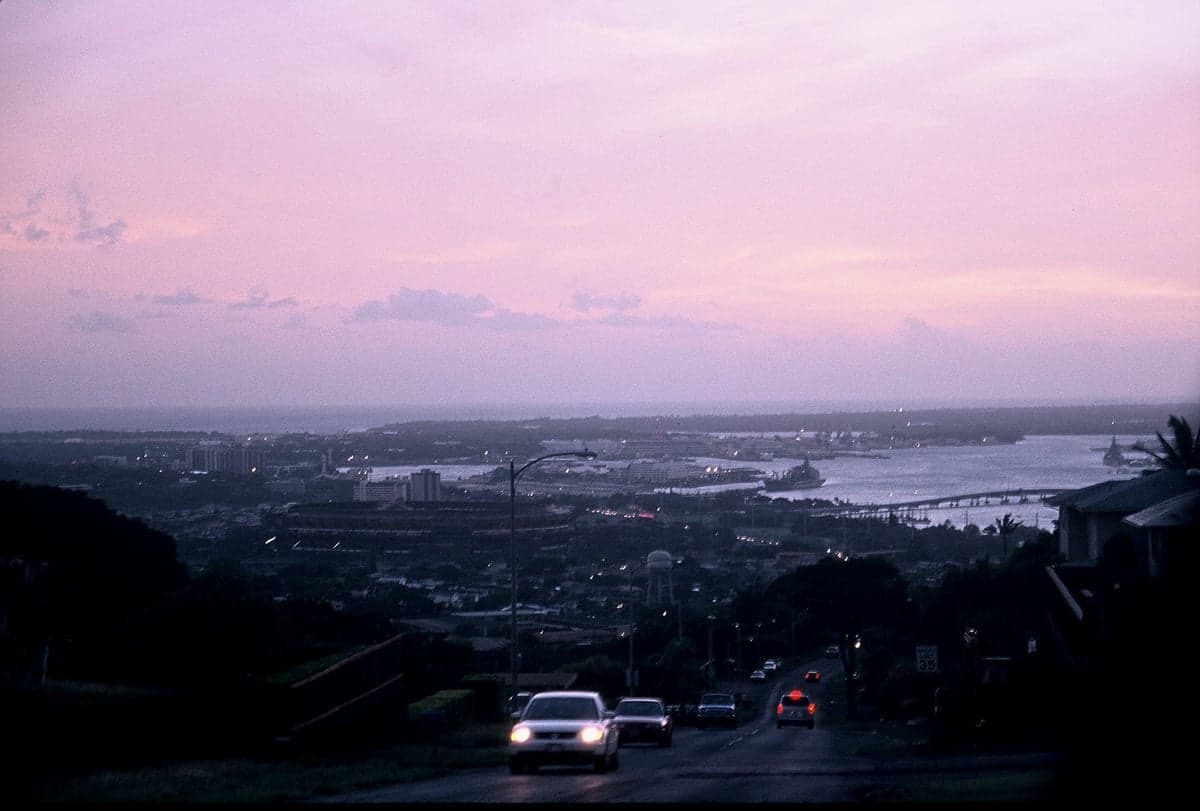
Photo: Wikipedia
Political ClimatePolitical Climate in Aiea, HI
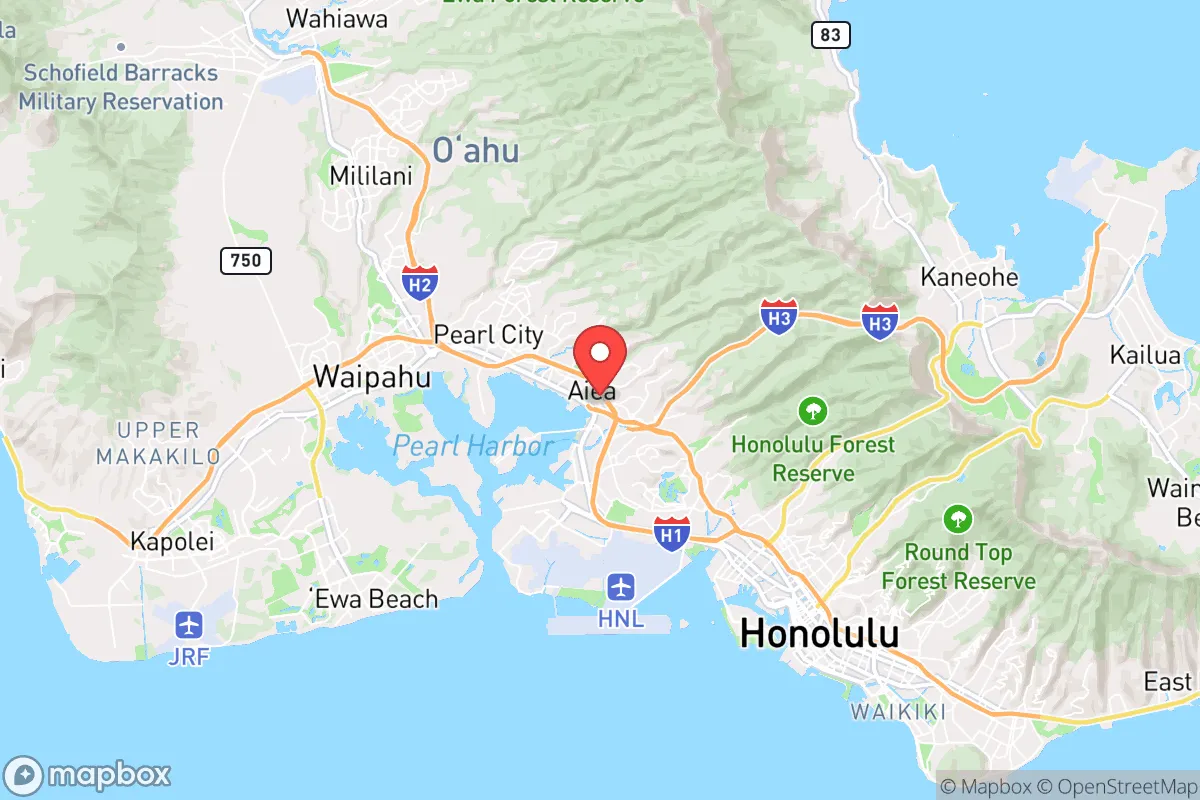
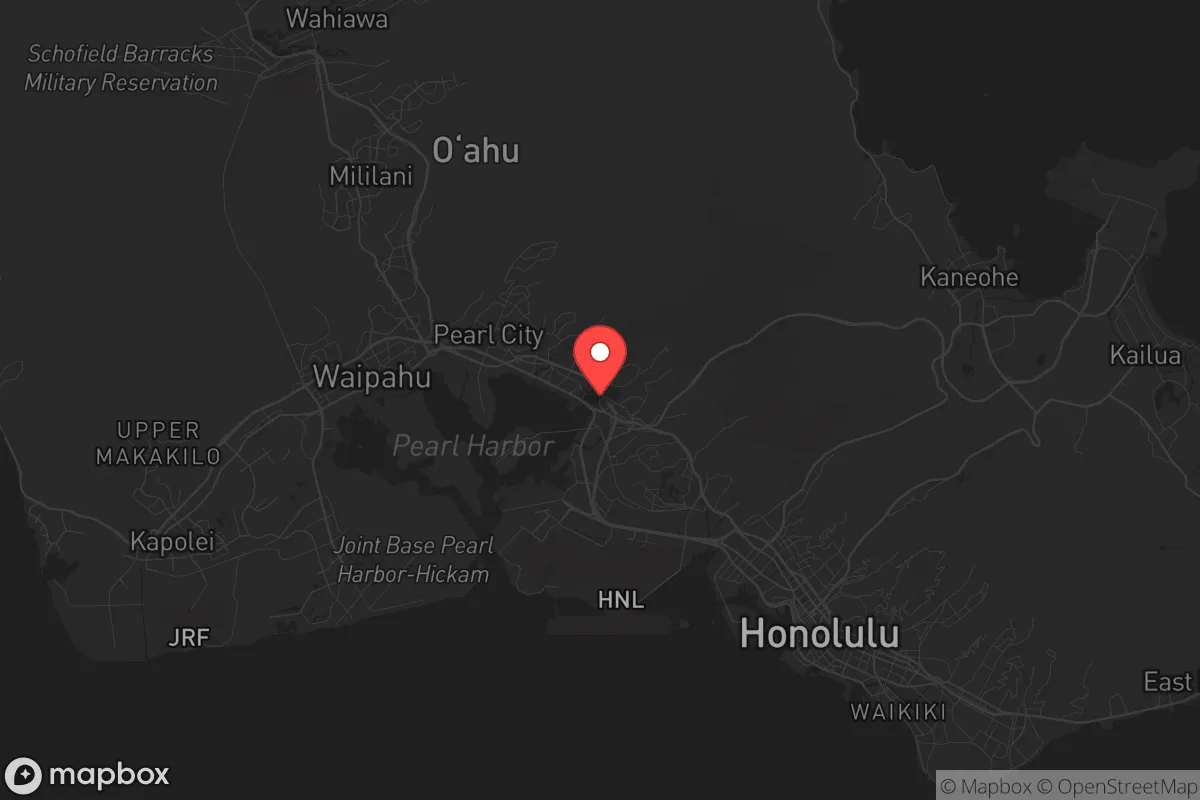
District shown is the primary district for this city’s centroid. Cities may span multiple districts.
Local Political AnalysisPolitical Analysis of Aiea, HI
Aiea, Hawaii, sits firmly in deep-blue territory with a Cook PVI of D+13, meaning it votes about 13 points more Democratic than the national average. That’s not a surprise for a town on Oahu’s central leeward side, but if you’ve been around here long enough, you’ve seen the political winds shift in ways that make a lot of us long-term residents uneasy. The area has leaned left for decades, but the flavor of that leftism has changed—from a more moderate, “live and let live” local pragmatism to something that feels a lot more like top-down progressive activism. The trajectory isn’t toward balance; it’s toward a one-party monopoly that leaves little room for dissenting voices.
How it compares
To understand Aiea’s politics, you have to look at its neighbors. Head west toward Waipahu or Ewa Beach, and you’ll find similar deep-blue districts, but with a stronger working-class, union-heavy influence that sometimes pushes back on the most extreme social policies. Drive east into Honolulu proper, especially around Manoa or Kaimuki, and you’re in the heart of Hawaii’s progressive machine—where rent control, green energy mandates, and expansive government programs are treated as gospel. Aiea sits in the middle: not as radical as urban Honolulu, but far from the more conservative pockets like Mililani or the North Shore’s rural stretches. The contrast is stark when you compare Aiea to places like Laie or Kahuku, where Mormon and traditional Hawaiian values still hold sway and people are more skeptical of government overreach. In Aiea, the local Democratic machine is strong, and independent or Republican voters often feel like they’re shouting into a hurricane.
What this means for residents
For those of us who value personal freedoms and limited government, the trend in Aiea is concerning. The local council and state legislature have pushed through measures that feel less about community choice and more about centralized control—think strict land-use regulations that make it harder to build or renovate your own home, mandatory paid leave mandates that hit small businesses hard, and a general attitude that government knows best. Property taxes have crept up, and while Hawaii’s overall tax burden is already high, Aiea residents are feeling the squeeze without seeing proportional improvements in infrastructure or public safety. The school system, for example, is decent but underfunded, while the county pours money into social programs that don’t always deliver results. If you’re a small business owner or a homeowner who just wants to be left alone, the political climate here can feel like a slow erosion of your rights, wrapped in well-meaning rhetoric.
One cultural distinction worth noting: Aiea still has a strong sense of local identity—family, fishing, plate lunches, and respect for elders—that tempers some of the more radical impulses from Honolulu. But that buffer is thinning. The younger generation, heavily influenced by mainland progressive trends and social media activism, is pushing for policies like rent stabilization and environmental bans that sound good on paper but often ignore the real-world costs to local families. The long-term outlook, if current trends hold, is more of the same: a deepening blue monoculture where dissent is discouraged, taxes rise, and personal freedoms take a backseat to government programs. For anyone considering a move here, it’s worth knowing that Aiea’s politics are not neutral—they’re actively moving in a direction that values collective action over individual liberty, and that’s a trade-off you’ll have to live with every day.

State Political ClimatePolitical Climate in Hawaii
State Political AnalysisPolitical Environment in the State
Hawaii has been a one-party Democratic stronghold for decades, but don’t let the blue veneer fool you—the political climate here is far more complex than a simple left-right label. The state leans heavily Democratic at the federal level, with both U.S. Senate seats and all four House seats held by Democrats, and the state legislature has a supermajority of Democrats. However, over the last 10-20 years, a quiet but growing conservative undercurrent has emerged, particularly among Native Hawaiians, military families, and rural residents who feel the progressive agenda has overreached on taxes, land use, and personal freedoms. The trajectory is a slow, grinding shift toward more government control, but with enough friction from local movements to keep things interesting.
Urban vs. rural divide
The political map of Hawaii is a tale of two worlds. Honolulu on Oahu is the progressive engine, driving the state’s Democratic supermajority with dense, union-heavy, and government-dependent populations. The city’s core districts—like Manoa, Makiki, and Waikiki—routinely vote 70-80% Democratic, powered by public-sector workers, university faculty, and a strong tourism economy. In contrast, the Neighbor Islands tell a different story. Hilo on the Big Island leans left but has a strong libertarian streak, while Kailua-Kona and the North Shore of Oahu are more politically mixed, with pockets of conservative sentiment among ranchers, fishermen, and military retirees. The Maui County council has seen recent fights over vacation rental bans and property rights, with upcountry areas like Kula and Makawao voting more Republican than the coastal resort towns. The rural-urban divide is stark: the farther you get from downtown Honolulu, the more you hear complaints about overregulation and tax burdens.
Policy environment
Hawaii’s policy environment is a mixed bag that leans heavily toward government intervention. The state has the highest combined tax burden in the nation, with a general excise tax (GET) of 4.5% that applies to nearly everything, including business-to-business transactions, effectively making it a hidden sales tax of 7-10% on most goods. Property taxes are relatively low for owner-occupied homes, but short-term rental taxes and land-use regulations are crushing small property owners. The state’s education system is centralized and underperforming—Hawaii has the only single statewide school district, which means no local control over curriculum or funding. Recent legislation like Act 2 (2023) expanded government-funded preschool, but parental rights in education remain weak, with no school choice or charter school expansion. Healthcare is heavily regulated, with the state’s Prepaid Health Care Act mandating employer-provided insurance, driving up costs for small businesses. Election laws are relatively open, with same-day registration and mail-in voting, but critics point to a lack of voter ID requirements as a concern for election integrity.
Trajectory & freedom
Hawaii is becoming less free by nearly any measure, especially for conservatives. The state has some of the strictest gun laws in the nation, including a 14-day waiting period, a ban on "assault weapons" and high-capacity magazines, and a requirement for a permit to purchase any firearm. In 2022, the legislature passed Act 207, which further restricted concealed carry after the Bruen decision, effectively making it nearly impossible for ordinary citizens to get a permit. On parental rights, Act 35 (2023) mandated that public schools adopt "culturally responsive" curricula that critics say downplay parental input. Medical freedom took a hit with Act 2 (2021), which gave the state broad emergency powers during the pandemic, including vaccine mandates for state workers and schoolchildren—mandates that remain controversial. Property rights are under constant assault from county-level vacation rental bans and the state’s Land Use Commission, which can rezone agricultural land without owner consent. The only bright spot for liberty is the Native Hawaiian sovereignty movement, which pushes back against federal and state overreach, but that’s a double-edged sword for conservatives who value private property.
Civil unrest & political movements
Hawaii has a history of civil unrest that’s more about land and culture than traditional left-right politics. The Thirty Meter Telescope (TMT) protests on Mauna Kea from 2014-2019 were a flashpoint, drawing Native Hawaiians, environmentalists, and libertarians who opposed government-backed development on sacred land. The Occupy Honolulu movement in 2011 was relatively small, but the 2020 Black Lives Matter protests in Waikiki and downtown Honolulu saw thousands march, though they were largely peaceful. On the right, the Hawaii Republican Party is a shell of its former self, but grassroots groups like Hawaii Family Forum and Grassroot Institute of Hawaii have been active on parental rights, school choice, and tax reform. Immigration politics are muted because Hawaii’s geography limits illegal border crossings, but the state has sanctuary policies that limit cooperation with ICE, which frustrates conservatives. Election integrity remains a hot-button issue: after the 2020 election, the state’s all-mail voting system drew scrutiny, with Honolulu Civil Beat reporting thousands of ballots with signature issues that were never resolved. The most visible flashpoint for a new resident would be the constant tension between pro-growth developers and anti-tourism activists who want to cap visitor numbers and ban short-term rentals—a fight that directly impacts housing availability and property values.
Projection
Over the next 5-10 years, Hawaii will likely become more progressive, not less, driven by demographic shifts and in-migration from the mainland. The state’s population is aging and declining, but the people moving in tend to be wealthy, left-leaning retirees or remote workers from California and New York who bring their politics with them. The Native Hawaiian population is growing, but younger Hawaiians are increasingly progressive on social issues, even as they push back on land rights. Expect more restrictions on short-term rentals, higher taxes on second homes, and continued expansion of government healthcare and preschool. The military presence (about 40,000 active-duty personnel and families) provides a conservative counterweight, but their voting power is diluted by the civilian population. The Grassroot Institute and other liberty-minded groups will keep fighting, but they’re outgunned by the public-sector unions and the Democratic machine. A new resident moving in now should expect to find a state where government intervention in daily life is the norm, not the exception, and where personal freedoms—especially on guns, property, and education—will continue to erode.
For a conservative considering a move to Hawaii, the bottom line is this: you’re moving to a beautiful place with a strong sense of community, but you’ll be swimming against a strong political current. If you value low taxes, local control over schools, and the right to defend yourself, you’ll find constant frustration. The best bet is to settle in a rural area like Hawi on the Big Island or Kauai’s North Shore, where the government’s reach is slightly weaker, and to get involved with local groups like the Hawaii Republican Assembly or the Grassroot Institute to push back. But don’t expect the state to flip anytime soon—this is a deeply blue place that’s only getting bluer, and your vote will be a lonely one in most precincts.
* Values derived from national, state, county, city and local statistics and may differ in a specific area. Last updated: 2026-05-04T02:33:39.000Z
Narrative content on this page is AI-generated and may contain mistakes. Verify any details that matter before acting on them.
ReloMaps may earn a commission from affiliate links at no extra cost to you.

